Main Courses
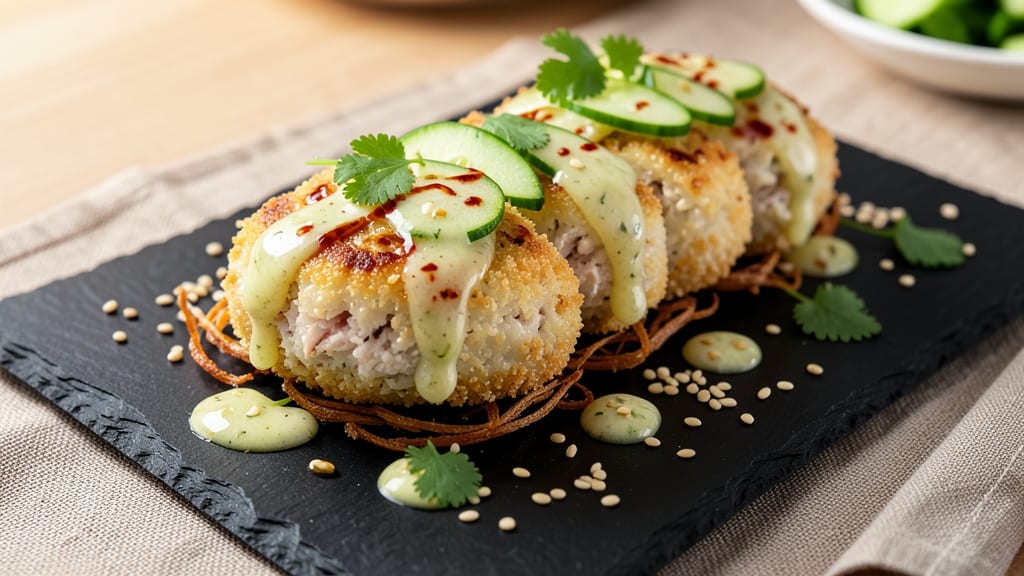
This Asian style crab cake recipe delivers restaurant-quality results with a crispy panko crust and umami butter glaze that'll have everyone asking for seconds. 🔥 The secret lies in balancing delicate crab meat with bold Asian flavors—soy sauce, ginger, and garlic—while achieving that perfect golden crunch through proper pan-frying technique.
What sets these crab cakes apart is the flavor-packed crust made with panko breadcrumbs, sesame oil, and a touch of chili flakes for subtle heat.
The umami butter glaze ties everything together with its rich, savory depth, while the interior remains tender and packed with fresh aromatics like scallions and ginger. This recipe transforms simple ingredients into a dish that's both elegant and satisfying.
By following this method, you'll achieve crispy edges that stay crunchy even after dipping, while the interior maintains its moist, flaky texture. The umami butter glaze adds another layer of complexity that makes these crab cakes stand out from traditional recipes.
Serve them with a side of spicy mayo or a fresh slaw for the ultimate seafood experience.
The best part? These crab cakes are versatile enough to work as an appetizer or main course, making them perfect for dinner parties or casual weeknight meals.
With just a few simple ingredients and precise technique, you'll create a dish that tastes like it came straight from an upscale Asian bistro.
Ingredients for asian style crab cake
These restaurant-quality crab cakes bring bold Asian flavors to your table with crispy panko and umami butter magic.
| Ingredient | Amount | Notes |
|---|---|---|
| Fresh Lump Crab Meat 🦀 | 1 ½ lb | Backfin preferred, shell-on for extra flavor |
| Panko Breadcrumbs 🍞 | 1 cup | Japanese-style for maximum crunch |
| Large Eggs 🥚 | 2 whole | Cold for better binding |
| Mayonnaise 🥫 | ¼ cup | Duck egg preferred for richness |
| Fresh Ginger 🌿 | 1 ½ tbsp | Finely grated, aromatic |
| Garlic Cloves 🧄 | 3 cloves | Minced, fresh for bold flavor |
| Sesame Oil 🫒 | 1 tbsp | Toasted for nutty aroma |
| Red Chili Flakes 🌶️ | ½ tsp | Adjust for heat preference |
| Soy Sauce 🥢 | 1 tbsp | Light or all-purpose |
| Unsalted Butter 🧈 | 4 tbsp | Cold for glaze, full-fat |
| Scallions 🧅 | 2 whole | Thinly sliced, white parts only |
| Vegetable Oil 🫒 | ½ cup | High smoke point for frying |
| Diamond Crystal Kosher Salt 🧂 | ½ tsp | For seasoning, fine grain |
| Black Pepper 🌶️ | ¼ tsp | Freshly cracked |
The crab meat is non-negotiable here—backfin or lump gives that delicate texture. Trader Joe's and Whole Foods carry great frozen options, but fresh is ideal if you can find it. Look for vibrant, moist meat with minimal shell fragments. For the panko, Japanese-style (like Kikkoman) is a game-changer—it stays crispier than regular breadcrumbs. If you can't find it, toast regular panko in a dry pan for 2 minutes to deepen the flavor. The ginger and garlic? Fresh is essential—dried just won't cut it for this dish.
No panko? Crushed cornflakes or matzo meal work in a pinch, but they won't be as crispy. Short on scallions? Green onions or chives at double the amount give similar brightness. The butter glaze is where the magic happens—use cold butter for perfect drizzle consistency. For extra umami, add 1 tsp fish sauce to the glaze (trust me, it disappears into the flavor). And if you're feeling fancy, swap regular mayo for avocado oil mayo—it's richer and more stable for frying.
These crab cakes are best made fresh, but you can prep the mixture 1 day ahead and refrigerate it covered. The panko will soak up some moisture, so add 1 extra tbsp if prepping ahead. For the glaze, melt the butter with a splash of water to make it easier to drizzle. Store leftovers in an airtight container for 2 days—though they're so good, they won't last that long. Freeze the glaze separately for up to 3 months if you want to make it ahead of time.
Why You'll Love This Recipe
- No-Fuss Assembly: I swear, this comes together faster than takeout. Just mix the crab with mayo, ginger, and panko—no fancy techniques, no measuring cups (eyeball it!). My lazy Sundays now include golden, crispy crab cakes while I sip coffee.
- Ginger-Mayo Magic: That bright, zesty ginger cuts through the richness of the crab and mayo like a knife. Honestly, the panko adds a toasty crunch that makes it taste like a Michelin-starred bite—without the pretension.
- Party or Pantry: These work for date night (elegant with a drizzle of sriracha mayo) or Monday lunches (straight from the fridge with a side salad). Between us, they’re my go-to for potlucks—no one ever asks for the recipe, but they always come back for seconds.
- Leftovers? Best Ever: The flavor actually improves after a day in the fridge. I’ll be real: I make a double batch on Sundays because reheating them in the air fryer gives them that perfect crisp again—no soggy crab cake in sight.
Step-by-step instructions for Asian style crab cakes
Here's how to create golden, crispy crab cakes with an umami butter glaze that'll impress anyone.
👨🍳 Step 1: Prepare the Crab Cake Mixture
In a large mixing bowl, gently combine the 1.5 lb fresh lump crab meat with the 1 cup panko breadcrumbs, 0.25 cup mayonnaise, 1.5 tbsp finely grated fresh ginger, 3 minced garlic cloves, 0.5 tsp red chili flakes, 1 tbsp soy sauce, 0.5 tsp Diamond Crystal kosher salt, and 0.25 tsp black pepper. The crab meat should be cold for best texture—don't let it sit at room temperature too long.
Using your hands, mix everything together until just combined. You want to keep the crab meat intact—don't overmix or you'll crush those beautiful lumps. The mixture should hold together when pressed but still show visible crab pieces. If it feels too wet, add 1-2 tablespoons more panko breadcrumbs to help bind it.
🍳 Step 2: Shape and Chill the Crab Cakes
Divide the mixture into 4 equal portions (about 4 ounces each) and gently shape them into ½-inch thick patties. I press them firmly but not too tightly—you want them to hold their shape when frying. Place the shaped crab cakes on a plate and cover with plastic wrap. Refrigerate for at least 30 minutes (up to 2 hours).
Chilling is crucial—it firms up the mixture so it won't fall apart when frying. The cold temperature also helps the panko crust set properly for that perfect crispy texture. While they're chilling, prepare your frying station by placing 0.5 cup vegetable oil in a large skillet and letting it heat over medium heat.
🔥 Step 3: Fry to Golden Perfection
Heat the 0.5 cup vegetable oil in a large skillet over medium heat until it reaches 350°F—you'll see gentle bubbles forming around the edges. Carefully add the chilled crab cakes and fry for 3-4 minutes per side until they're deep golden brown and crispy. Don't overcrowd the pan or the temperature will drop and you'll get greasy crab cakes instead of crispy ones.
I like to press down gently on the crab cakes during the first minute of frying—this prevents them from curling and ensures even contact with the hot oil. When they release easily from the pan and the edges are golden brown, they're ready. Transfer them to a paper towel-lined plate to drain excess oil. Keep them warm in a 200°F oven while you prepare the glaze.
🥘 Step 4: Create the Umami Butter Glaze
In a small saucepan, melt the 4 tbsp unsalted butter over low heat. Add 1 tbsp toasted sesame oil, 2 thinly sliced scallions (white parts only), and let it simmer for 1-2 minutes until fragrant. Remove from heat and stir in 1 tbsp soy sauce for that deep umami flavor. The glaze should be smooth and glossy—if it's too thick, add 1 teaspoon water to loosen it.
Here's where it gets exciting—brush the warm glaze over each crab cake, coating them completely. The residual heat from the crab cakes will make the butter melt and create that beautiful glossy finish. For extra flavor, sprinkle with a pinch more red chili flakes if you like a little kick. Serve immediately while the crust is still crispy and the glaze is warm.
Pro Tips For Making Asian Style Crab Cake
- Drain the Crab Twice: Lump crab meat comes with more water than you’d think, and that extra moisture turns your patties into soggy pancakes. Drain it in a colander for 5 minutes, then press it between paper towels—yes, even if it feels like overkill. I learned this the hard way when my first batch fell apart after frying.
- Mix Ginger Last: Fresh ginger is potent stuff, and if you blend it in too early, it’ll turn your batter bitter. Save the finely grated ginger for the final stir—just before shaping the cakes. This keeps the flavor bright and the texture clean, not muddy.
- Press Panko Firm: Skip the "lightly toss" approach—pack the panko into the crab mixture like you’re making a tight sandwich. The extra compression gives your cakes structure, so they hold shape when frying. (I used to skip this, and my cakes always spread like pancakes.)
- Fry in Batches: Two crab cakes in the pan? You’re asking for trouble—crowding steals heat and makes them steam instead of sear. Stick to one cake at a time, and resist the urge to flip too soon. A golden crust takes 2-3 minutes per side, not 90 seconds. (Your future self will thank you.)
Storing and reheating this asian style crab cake
Refrigerator Storage
Store leftover crab cakes in an airtight container for up to 2 days—the panko crust stays crispy if you layer them with parchment paper between each cake. Let them cool completely before refrigerating to prevent condensation, which can make the crust soggy.
I like to reheat them in a 350°F oven for 5-7 minutes to restore that golden crunch. 🥪
Freezer Prep Tips
For longer storage, freeze the unfried crab cake mixture in a single layer on a baking sheet before transferring to a freezer bag. This prevents clumping. Once frozen solid, they’ll keep for 2 months.
When ready to cook, fry them straight from frozen—just add 1-2 extra minutes per side to ensure they reach 165°F internally. 🧊
Reviving Crispiness
If your crab cakes lose their crunch after reheating, the trick is high-heat toasting. Place them in a skillet over medium-high heat for 2-3 minutes per side until golden again.
For extra crispiness, brush with a light coat of melted butter before toasting. This works especially well if you’ve stored them in the fridge for 1-2 days. ✨
Glaze Make-Ahead
The umami butter glaze can be prepped 1 week ahead and stored in the fridge. Keep it in a small glass jar with a tight seal. When reheating, warm it gently in the microwave for 15-20 seconds and whisk until smooth.
The glaze thickens when cold, so thin it with ½ tsp water if needed before brushing. 🍯
Serving Warm
For the best experience, serve crab cakes freshly fried with the glaze still warm and glossy. If you’ve reheated them, drizzle with extra glaze and a sprinkle of toasted sesame seeds to restore that restaurant-quality finish. Pair with warm naan or cucumber salad to cut through the richness. 🌿
Nutrition facts
Frequently asked questions
Can I use frozen crab meat instead of fresh?
Thaw frozen crab meat overnight in the fridge before using—never at room temperature. Drain it thoroughly and pat dry with paper towels to remove excess moisture, which helps keep your crab cakes crispy. Look for "backfin" or "lump" crab meat in the frozen section, as these textures hold up best.
What's the best way to keep my crab cakes from falling apart?
Chilling the shaped crab cakes for at least 30 minutes is key—the cold temperature firms up the mixture. Also, avoid overmixing the batter, and use just enough panko to bind without making it soggy. For extra insurance, press the cakes firmly when shaping and fry them at 350°F until golden brown.
Can I bake these crab cakes instead of frying?
Yes, but the texture will differ. Preheat oven to 400°F and bake for 12-15 minutes on a parchment-lined tray, flipping halfway. For crispiness, broil for 1-2 minutes at the end. The glaze will still work, but you may need to brush it on after baking since the oven can dry out the butter.
How can I make these gluten-free?
Swap panko for gluten-free breadcrumbs or crushed gluten-free crackers, and use a gluten-free mayo. For extra crunch, add 1 tbsp cornstarch to the mixture. Test gluten-free panko brands first—some stay crumbly while others crisp up well. Always check labels for hidden gluten in seasonings too.
What's the secret to the perfect umami butter glaze?
The glaze needs three key elements: cold butter (for smooth drizzling), toasted sesame oil (for nutty depth), and soy sauce (for umami). Keep the heat low when melting to avoid burning, and add just a splash of water if it thickens too much. Brush while the glaze is warm but not hot to prevent melting too quickly.