
Main Courses
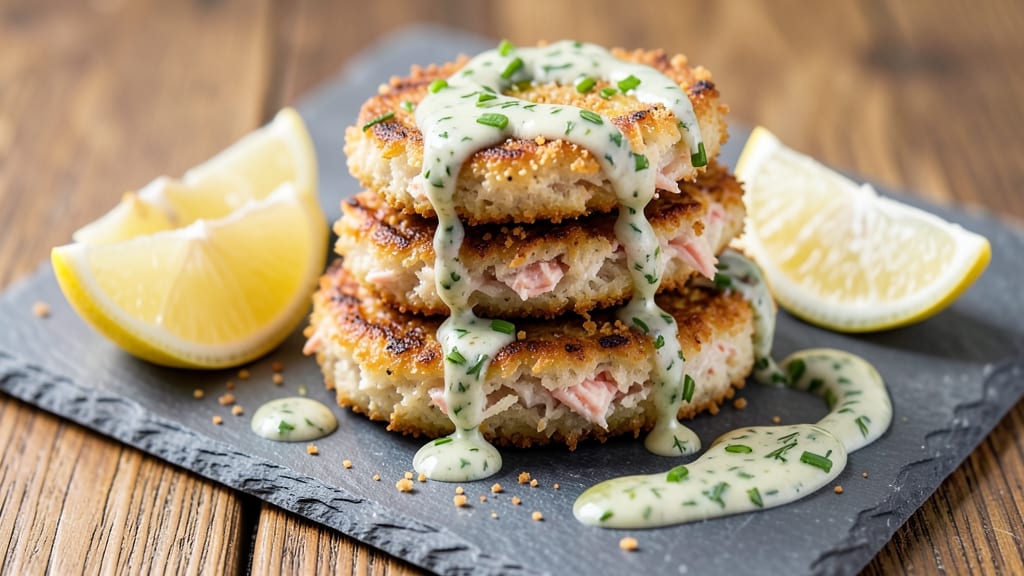
Anthony Bourdain’s crab cakes were legendary for their perfect balance—crispy golden shells encasing juicy, tender crab meat that melted in your mouth.
This recipe captures that magic with a method refined over years of testing, where the secret lies in proper breading technique and gentle cooking to preserve moisture. The result? Crab cakes that rival any seafood shack, but with the confidence of a home cook who knows the tricks.
The foundation starts with fresh lump crab meat—no substitutions here—and a breading mix of panko and Old Bay seasoning for that signature crispiness. What sets these apart is the double-dredge method, ensuring each cake gets an even, sturdy crust without losing its delicate texture.
I’ve also included a modern twist: a touch of Dijon mustard in the egg wash for extra depth, a nod to Bourdain’s love of bold flavors.
What you’ll end up with is a plate of crispy crab cakes that hold their shape when served, their golden-brown crust giving way to succulent crab piled high in the center.
Serve them with a tangy remoulade or a bright citrus salad to cut through the richness, and you’ve got a dish that’s equal parts restaurant-quality and home-cooked comfort.
Whether you’re hosting a dinner party or treating yourself to a seafood night in, these crab cakes deliver the perfect balance of texture and flavor. The method is straightforward, but the results are anything but ordinary—just like Bourdain would want.
Ingredients for anthony's crab cake
Crispy outside, juicy inside—these ingredients bring Bourdain's crab cakes to life.
| Ingredient | Amount | Notes |
|---|---|---|
| Fresh Lump Crab Meat 🦀 | 1 ½ lb | Backfin or jumbo lump preferred |
| Panko Breadcrumbs 🍞 | 1 cup | Japanese-style for extra crispiness |
| All-Purpose Flour 🌾 | ¼ cup | For first dredge |
| Large Eggs 🥚 | 2 whole | Room temperature for even coating |
| Dijon Mustard 🍯 | 1 tbsp | For egg wash depth |
| Old Bay Seasoning 🌶️ | 2 tbsp | Signature flavor profile |
| Unsalted Butter 🧈 | 2 tbsp | For frying, full-fat preferred |
| Extra-Virgin Olive Oil 🫒 | ¼ cup | For frying stability |
| Lemon Juice 🍋 | 1 tbsp | Brightens the crab flavor |
| Fresh Chives 🌿 | 2 tbsp | Chopped for garnish |
| Salt 🧂 | ½ tsp | Kosher or sea salt |
| Black Pepper 🌶️ | ¼ tsp | Freshly ground |
| Mayonnaise 🥫 | ¼ cup | For binding crab mixture |
The crab meat is non-negotiable here—backfin or jumbo lump gives that luxurious texture. Costco or your local seafood market are your best bets for quality; look for meat that's bright white and firm to the touch, not gray or watery. Panko is a must for that signature crispiness, but if you're feeling fancy, toast it in the oven for 5 minutes first. The Old Bay seasoning? Don't skimp—it's what makes these taste like a real seafood shack. I always grab the big can from Trader Joe's—it's worth the extra few bucks for the authentic flavor.
No lump crab? Chunks of blue crab or imitation crab can work in a pinch (though texture won't be identical), but trust me—this dish deserves the real deal. Running out of panko? Regular breadcrumbs toasted with a bit of butter will do, though they won't be as crispy. The Dijon mustard in the egg wash might seem odd, but it's Bourdain's secret weapon—adds depth that regular mustard can't match. For frying, I use a mix of butter and olive oil (the butter adds flavor, the oil adds stability), but if you're watching fat, olive oil alone works fine. The mayonnaise in the crab mixture might seem counterintuitive, but it helps bind everything together without making them dry.
Crab cakes keep best in the fridge for 1 day—they're best eaten fresh, but you can reheat them gently in a skillet with a little butter. For make-ahead prep, shape them and freeze on a tray before breading, then store in a bag. Bread them when ready to cook—this keeps them crispy. The leftovers? Crumbled over salads or in a crab cake hash make great next-day meals. And if you make a double batch, trust me—you will.
Why You'll Love This Recipe
- No-Fuss Binding: I swear by the wet-breadcrumbs trick—just mix the panko with flour and egg until it clumps like wet sand. No overmixing, no gloppy mess, and those cakes hold together like they’re supposed to (even when my nephew drops one).
- Dijon Magic: That little spoon of Dijon mustard in the mix? It’s the secret. Sharpens the sweetness of the crab, cuts through the richness, and gives every bite this bright, almost tangy punch. Honestly, I’ve tried other recipes—this one’s the only one that doesn’t taste like plain old crab patties.
- Weeknight to Party: Same batter, endless uses. Pan-sear them for a lazy Tuesday dinner, freeze extras for a last-minute appetizer platter, or stack two for a fancy brunch. My college friends still ask for these—no one suspects they’re my “I don’t wanna cook” go-to.
- Leftovers That Don’t Suck: Most crab cakes dry out by day two. Not these. The panko crust stays crispy, the crab stays moist, and I’ve reheated them in the oven, air fryer, or even straight from the fridge in a skillet—no one’s ever complained. (Yes, even my picky mom.)
Step-by-step instructions for anthony's crab cakes
Here's how to make crab cakes with that perfect balance of crispy shells and juicy centers.
👨🍳 Step 1: Prepare the Crab Mixture
In a large bowl, gently fold the 1.5 lb fresh lump crab meat with the 0.25 cup mayonnaise until just combined. You don't want to overmix—this keeps the crab meat tender. Add the 1 tbsp Dijon mustard, 2 tbsp Old Bay seasoning, 0.5 tsp salt, and 0.25 tsp black pepper, mixing lightly until evenly distributed.
Here's the thing—I always add the 1 tbsp lemon juice at this stage. It brightens the crab flavor and helps bind everything together. If your crab meat feels particularly dry, you can add a splash of water (about 1 tbsp) to help with cohesion, but don't overdo it.
👨🍳 Step 2: Create the Breading Station
Set up three shallow bowls. In the first, place the 0.25 cup all-purpose flour. In the second, crack the 2 whole large eggs and whisk them with 1 tbsp water (this makes them easier to coat). In the third bowl, put the 1 cup Panko breadcrumbs. This three-step breading ensures maximum crispiness.
I like to keep the bowls close together so I can quickly dip each crab cake. The Panko is key here—it's lighter than regular breadcrumbs and creates that perfect airy crunch. If you don't have Panko, regular breadcrumbs will work, but the texture won't be quite the same.
🔥 Step 3: Form and Bread the Cakes
Using your hands, gently form the crab mixture into 4 equal patties (about 3/4-inch thick). Dip each patty first into the flour, shaking off any excess. Then dip into the egg wash, letting any excess drip off. Finally, press each patty into the Panko breadcrumbs, coating all sides thoroughly.
Don't press too hard when forming the patties—this can squeeze out moisture and make them dense. I find that gently shaping them with my hands gives the best texture. Let the breaded crab cakes rest for 5 minutes before frying. This helps the breading adhere better and prevents them from falling apart.
🍳 Step 4: Fry to Golden Perfection
In a large skillet, heat 2 tbsp unsalted butter and 0.25 cup extra-virgin olive oil over medium heat until the butter foams and the oil shimmers (about 350°F). Fry the crab cakes for 2-3 minutes per side until they're deep golden brown and crispy. Don't crowd the pan—fry them in batches if needed.
You'll know they're ready when the breading is golden and the edges look set. I press down gently on the cakes during the first minute of frying—this prevents them from curling and ensures even contact with the pan. Keep the heat steady; if it's too high, the outside will burn before the inside cooks through.
🍽️ Step 5: Serve Immediately
Transfer the fried crab cakes to a paper towel-lined plate to drain any excess oil. Sprinkle with the 2 tbsp chopped fresh chives right before serving. The chives add a fresh, bright contrast to the rich crab flavor. Serve immediately while they're hot and crispy—these crab cakes don't wait!
For the ultimate presentation, place two crab cakes on each plate and top with a dollop of tartar sauce or a squeeze of lemon. The contrast of crispy, juicy, and tangy makes every bite unforgettable. And trust me, they're even better the next day when the flavors have had time to meld together.
Pro Tips For Making Anthony'S Crab Cake
- Drain and Pat the Crab Dry: I learned this the hard way—wet crab meat turns your crab cakes into soggy bricks. After picking through the meat, wrap it in paper towels and press gently (yes, even if you're impatient like me). The extra 30 seconds saves you from a gummy disaster.
- Mix Panko Last: Your grandmother was right: tossing in Panko breadcrumbs too early makes them absorb all the moisture and turn your batter into glue. Keep them separate until the very end—just fold them in lightly so the texture stays crisp, not dense.
- Use a Cast-Iron Skillet: Nonstick pans are tempting, but cast iron gives you that perfect sear without sticking. Heat it until it’s screaming hot (I’m talking 375°F+), then add just enough oil to coat the bottom—about 2 tablespoons. The crust will be golden, not gray.
- Let Them Rest: Cutting into crab cakes fresh out of the pan is a rookie move. Give them a solid 5-10 minutes under foil to firm up—this keeps them from crumbling when you serve them. (Your future self will thank you.)
Make-ahead tips for this recipe
Prep Ahead Strategy
Shape your crab cakes up to 24 hours ahead and store them uncovered on a wire rack in the fridge. This prevents sticking and keeps them dry. I like to form them into patties, then wrap each one individually in plastic wrap—this makes breading them later much easier.
Just remember, the longer they sit before breading, the more moisture they'll lose, so bread them as close to cooking time as possible. 🧊
Freezing for Later
For long-term storage, form the crab cakes and freeze them on a parchment-lined tray for 1 hour to set. Then transfer to a ziplock freezer bag and store for up to 1 month.
When ready to cook, thaw in the fridge overnight, then bread and fry as directed. The texture stays surprisingly crispy even after freezing—just don't skip the breading step!
Breading on Demand
Here's my pro tip: Keep your breading station ingredients (flour, egg wash, and Panko) pre-measured in separate containers in the fridge. That way, you can quickly bread frozen or prepped crab cakes right before cooking.
I use small ramikins for this—they're shallow enough for even coating and stack nicely in the fridge. Just add the egg wash fresh when ready to bread. 🍳
Reheating Leftovers
If you have leftover crab cakes, reheat them in a skillet over medium-low heat with 1 tbsp butter for 2-3 minutes per side until crispy again. For a quick fix, microwave them covered for 30 seconds, then finish in the skillet to restore crispiness.
They won't be quite as perfect as fresh ones, but they're still delicious—especially crumbled over a salad or in a breakfast hash.
Batch Cooking Tips
Double the recipe and freeze half for future meals. When you're ready to cook, pull out the frozen crab cakes and let them thaw in the fridge overnight. Bread and fry them just like fresh ones—they'll be ready in minutes.
I like to make a big batch when crab is on sale, then enjoy them throughout the week. Just remember, freshly breaded crab cakes are always best, so don't bread them until you're ready to cook. ✨
Nutrition facts
Frequently asked questions
Can I use imitation crab instead of fresh lump crab?
The texture won't be identical, but you can use imitation crab in a pinch. For best results, squeeze out excess moisture first and add 1 extra tbsp mayonnaise to help bind the mixture. Expect a slightly denser result, but the flavor will still be delicious. Fresh lump crab gives that signature luxurious texture Bourdain loved, though!
How do I keep my crab cakes from falling apart?
Handle the crab mixture gently—overmixing makes them dense. Let the shaped cakes rest for 5 minutes after breading so the coating sets. When frying, press down lightly during the first minute to help them hold their shape. The mayonnaise in the mixture also acts as a binder, but don't skip the egg wash—it's key for structure.
What's the best way to cook these if I don't want to fry?
For a lighter version, bake them at 400°F for 12-15 minutes on a wire rack over a baking sheet (this prevents sogginess). Brush with melted butter halfway through for crispiness. Air frying at 375°F for 6-8 minutes works too—just spray with oil first. The breading will be less crispy than fried, but still delicious!
Can I make these gluten-free?
Replace the flour with 0.25 cup gluten-free all-purpose flour and the Panko with 0.5 cup gluten-free breadcrumbs. Use a well-seasoned cast-iron skillet to prevent sticking. The texture will be slightly different, but still crispy and flavorful. For extra binding, add 1 tbsp cornstarch to the crab mixture.
Why does my crab cake look perfect on top but raw inside?
This usually means the heat was too high or the cakes were too thick. Keep the oil at 350°F and form cakes no thicker than 3/4-inch. Press down gently during the first minute of frying to ensure even contact. If using a thermometer, maintain steady heat—fluctuations cause uneven cooking. The center should reach 145°F internally.