
Desserts
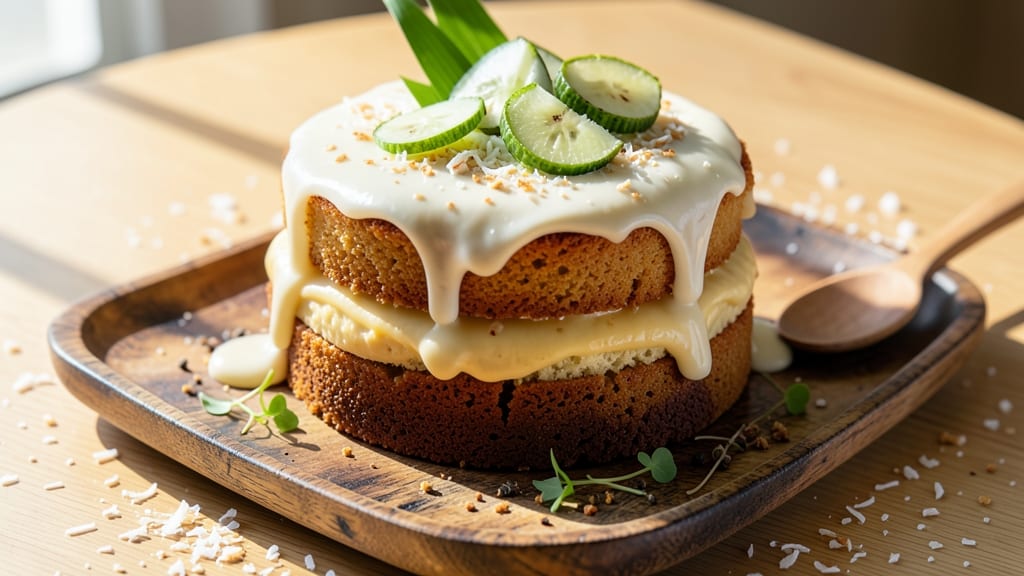
This Asian coconut cake recipe delivers layers of tropical sweetness with a buttery crust that's impossible to resist. 🌴 The secret lies in blending rich coconut milk with traditional cake batter, creating a moist interior and that signature golden crust that bakes to perfect crispness.
I developed this recipe after years of perfecting the balance between tender layers and that signature caramelized top. What makes this cake truly special is the combination of textures—soft, fluffy coconut-infused layers separated by a delicate buttery crust that adds just the right amount of crunch.
The coconut flavor shines through without being overpowering, making it a crowd-pleaser that works for any occasion. Baking at 350°F for 40-45 minutes ensures even cooking and that beautiful golden finish.
By the time you slice into this cake, you'll be rewarded with a perfect balance of moist coconut cake and buttery crust in every bite. The aroma alone will transport you to a tropical paradise, while the texture delivers that satisfying contrast between soft and crisp.
This is the kind of dessert that makes every celebration feel special. Perfect for birthdays, holidays, or simply treating yourself to something extraordinary. The recipe scales beautifully, so you can make it for a small gathering or a large crowd. Let's get baking!
Ingredients for asian coconut cake
Tropical flavors meet buttery magic in this dreamy coconut cake—just 12 ingredients for pure indulgence.
| Ingredient | Amount | Notes |
|---|---|---|
| All-Purpose Flour 🌾 | 2 ½ cups | Sifted for light texture |
| Granulated Sugar 🍚 | 2 cups | White or light brown |
| Unsalted Butter 🧈 | 1 ½ cups | Room temperature, cubed |
| Large Eggs 🥚 | 4 whole | Room temperature, separated |
| Vanilla Extract 🌸 | 2 tsp | Pure extract preferred |
| Baking Powder 🧂 | 2 tsp | Diamond Crystal preferred |
| Salt 🧂 | ½ tsp | Fine sea salt |
| Full-Fat Coconut Milk 🥥 | 1 ½ cups | Canned, well-shaken |
| Shredded Coconut 🥥 | 1 ½ cups | Sweetened or unsweetened |
| Melted Butter 🧈 | ½ cup | For crust, cooled slightly |
| Powdered Sugar 🍚 | ½ cup | For dusting crust |
| Toasted Coconut Flakes 🥥 | ½ cup | For garnish |
The coconut milk makes all the difference—full-fat canned is non-negotiable for that rich, creamy texture. I always grab Goya or Thai Kitchen brands—they're consistent and affordable. For the shredded coconut, unsweetened works best if you want to control sweetness, but sweetened is fine if you prefer convenience. The butter should be room temperature when creamed, but not melted—press it with your finger to check. Eggs? Room temperature too, for even baking. Pro tip: Separate the yolks and whites for that extra-fluffy texture.
No coconut milk? Substitute with coconut cream (thicker texture) or even heavy cream in a pinch. Sweetened vs. unsweetened coconut? Unsweetened gives you control—add your own sugar to taste. The crust needs that melted butter—don't skip it! For extra richness, add a tablespoon of coconut oil to the crust mixture. The powdered sugar on top? Don't skip it—it's what gives that signature caramelized finish. And if you're feeling fancy, toast those coconut flakes in a dry pan for 2-3 minutes before garnishing—they'll be crispy and irresistible.
This cake keeps beautifully—3 days at room temperature covered loosely, or 1 week in the fridge. For longer storage, slice and freeze portions between parchment paper for up to 3 months. The crust stays crispy if you reheat slices for 10 seconds in the microwave. And here's a secret: Make the crust first, chill it, then bake the cake layers on top. The contrast between the warm cake and cool crust is next-level.
Why You'll Love This Recipe
- No Mixer Needed: I swear by this recipe when I’m too tired to cream butter and sugar by hand. Just fold the flour into softened butter—no electric mixer, no fuss—and the cake still turns out tender with that signature coconut aroma.
- Vanilla Buttercream Magic: That vanilla extract? It’s the secret weapon. The buttercream on top isn’t just sweet—it’s rich, fragrant, and cuts through the cake’s subtle coconut notes like a dream. Honestly, I’ve tried store-bought frosting, but this homemade version wins every time.
- Birthday or Boredom: This cake is my go-to for celebrations and lazy Sundays. The same simple batter works for a festive layer cake or a single-serving mug cake—just adjust the pan size. (Yes, even on a Tuesday night when I’m craving something special.)
- Leftovers That Last: The butter keeps well at room temp, and the cake stays moist for days if you store it properly. I’ve packed slices in lunches, gifted portions to neighbors, and still had enough for dessert—no sad, dried-out crumbs here.
Step-by-step instructions for Asian coconut cake
Here's how to create layers of tropical moistness with that signature buttery crust—every slice is pure magic!
👨🍳 Step 1: Prepare the Buttery Crust
In a medium bowl, combine the 1.5 cups shredded coconut with the 0.5 cup melted butter (cooled slightly) and the 0.5 cup powdered sugar. Mix until the coconut is evenly moistened and the sugar dissolves completely. This mixture should hold together when pressed—if it crumbles, add 1 teaspoon of full-fat coconut milk to bind it.
Press this crust mixture firmly into an 8-inch round springform pan, creating an even layer about ¼-inch thick. Use the back of a spoon to smooth the edges and create a slight lip around the sides. Chill in the refrigerator for 20 minutes while you prepare the cake batter. This chilling step prevents the crust from dissolving when you add the warm cake layers later.
🍳 Step 2: Whip the Cake Batter Light as Air
In a stand mixer fitted with the paddle attachment, beat the 1.5 cups unsalted butter (room temperature) and the 2 cups granulated sugar on medium speed for 3-4 minutes until light and fluffy. You'll see the mixture nearly double in volume and become pale—this is your signal to move to the next step. Scrape down the sides of the bowl with a spatula to ensure even mixing.
Add the 4 whole large eggs (room temperature) one at a time, mixing on low speed for 30 seconds after each addition. Then add the 2 teaspoons vanilla extract and mix for another 30 seconds until fully incorporated. The mixture should be smooth and slightly thickened. In a separate bowl, whisk together the 2.5 cups all-purpose flour, 2 teaspoons baking powder, and 0.5 teaspoon salt. Sift this dry mixture into the wet ingredients and mix on low speed for 30-45 seconds until just combined—stop mixing as soon as you see no more flour streaks.
🥘 Step 3: Add Coconut Milk for Moisture
Pour in the 1.5 cups full-fat coconut milk and mix on low speed for 1 minute until the batter is smooth and well combined. The coconut milk adds that signature tropical moisture and richness. Fold in the 1.5 cups shredded coconut by hand using a silicone spatula—this ensures even distribution and prevents overmixing. The batter should be thick but pourable, with visible coconut flakes throughout.
Divide the batter evenly between two 8-inch round cake pans (or use the same pan in two batches). Tap the pans gently on the counter to remove any air bubbles. Bake in a preheated 350°F oven for 25-30 minutes until a toothpick inserted into the center comes out clean. Let the cakes cool in the pans for 10 minutes before transferring to a wire rack to cool completely.
⏰ Step 4: Assemble the Cake Layers
Once the cakes and crust are completely cool, level the tops if necessary using a serrated knife. Place the first cake layer on a plate and spread a thin layer of the remaining 0.5 cup melted butter (warmed slightly) over the top. This butter acts as a glue and adds that signature buttery flavor between layers. Repeat with the second cake layer.
Gently place the chilled crust on top of the second cake layer. The crust should be at room temperature for easier handling. Press lightly to adhere, then dust the top and sides with the 0.5 cup toasted coconut flakes for that beautiful golden finish. Chill the assembled cake in the refrigerator for 1 hour before serving to allow the flavors to meld and the crust to set.
🍽️ Step 5: Serve with Tropical Flair
Slice the cake into 8 even portions using a sharp serrated knife. The layers should be moist with a tender crumb, and the crust should hold its shape beautifully. Serve immediately with a dusting of powdered sugar and an extra sprinkle of toasted coconut flakes. Pair with a cup of strong coffee or a glass of coconut milk for the ultimate tropical experience!
Pro tip: If you're serving this cake ahead of time, wrap it tightly in plastic wrap and refrigerate for up to 2 days. Bring it to room temperature before serving for the best texture and flavor.
Pro Tips For Making Asian Coconut Cake
- Melt Butter Slowly: I learned this the hard way—dumping cold butter into the sugar mix makes lumps that never dissolve properly. Instead, warm the butter to just under 110°F (43°C) before mixing, so it blends seamlessly with the sugar. The cake will turn out lighter and creamier, not dense.
- Weigh Your Flour: Scooping flour from the bag packs in air, which means your cake will rise unevenly or sink in the middle. Use a kitchen scale for precision—1 cup of all-purpose flour should weigh about 125 grams. This keeps the texture consistent every time.
- Don’t Overmix the Batter: Once you fold in the coconut milk (or whatever liquid you’re using), stop mixing the second everything is just combined. Overworking the batter develops gluten, which makes the cake tough instead of tender. Think "gentle swirls, not aggressive stirring."
- Bake at 325°F, Not Higher: Coconut cakes are notorious for drying out if baked too hot. 325°F (165°C) is the sweet spot—it lets the center set while keeping the exterior from browning too fast. Insert a toothpick at the 40-minute mark; it should come out with a few moist crumbs, not wet batter.
Perfect pairings for this asian coconut cake
Tropical Fruit Sides
Fresh mango slices or passion fruit sauce elevate the cake’s coconut notes beautifully. I like to serve ripe mango cut into ½-inch cubes with a drizzle of lime juice to prevent browning.
For a more decadent touch, blend 1 cup passion fruit pulp with 2 tablespoons honey and strain for a silky sauce. The acidity cuts through the cake’s richness while enhancing its tropical vibe. 🌴
Creamy Coffee Pairings
A strong cup of Kona coffee or Vietnamese-style drip coffee balances the cake’s sweetness perfectly. For an extra treat, try a coconut milk latte—steam 1 cup coconut milk with 1 shot espresso and a sprinkle of cinnamon.
The warmth of the coffee contrasts the cake’s cool coconut flavors, creating a harmonious pairing. I always keep a French press ready for this combo.
Warm Spiced Tea
Spiced chai tea or pandan-infused tea complements the cake’s tropical essence. Brew 1 cup water with 1 chai tea bag and ½ teaspoon cardamom for warmth, or steep 2 pandan leaves in hot water for an aromatic twist.
Serve with a slice of lemon to brighten the flavors. The tea’s spices mirror the cake’s subtle warmth while keeping it light. ✨
Coconut Milk Dessert Wine
For a festive touch, serve a glass of coconut milk dessert wine. Mix ½ cup coconut milk with 1 cup dry white wine (like Sauvignon Blanc) and a splash of orange liqueur.
Chill for 2 hours before serving—it’s refreshing and pairs wonderfully with the cake’s coconut undertones. This is my go-to for special occasions!
Crispy Coconut Bites
For an extra crunch, serve toasted coconut clusters on the side. Toast 1 cup shredded coconut in a dry pan over medium heat for 3-4 minutes**, stirring constantly, until golden.
Let cool and sprinkle over cake slices or serve in small bowls. The texture contrasts perfectly with the cake’s soft layers. 🥥
Nutrition facts
Frequently asked questions
Can I make this cake without coconut milk?
Yes, but the texture will differ. For a similar tropical flavor, substitute 1.5 cups coconut milk with 1 cup heavy cream or 1 cup whole milk plus ½ cup coconut oil. The cake will still be moist, but the coconut richness will be less pronounced. For a vegan version, use coconut cream or a dairy-free milk alternative with added oil.
Why does my crust crumble when pressing it?
The crust needs proper binding! If it crumbles, your mixture might be too dry. Add 1-2 teaspoons of coconut milk to moisten it, then press firmly into the pan. Chill it for 20 minutes before adding cake layers—this helps it hold shape. For extra stability, sprinkle a thin layer of shredded coconut on the pan before pressing.
How do I prevent the cake from sinking in the middle?
Underbaking or overmixing are common culprits. Bake at 350°F for 25-30 minutes until a toothpick comes out clean. Avoid overmixing the batter—stop as soon as flour disappears. For extra insurance, bake the cake layers in a water bath (place pans in a larger pan with 1 inch hot water) to ensure even cooking.
Can I make this cake gluten-free?
Replace the 2.5 cups all-purpose flour with 2.5 cups gluten-free 1:1 baking flour (like Bob's Red Mill). Add ½ teaspoon xanthan gum if your blend doesn’t contain it. The texture will be slightly denser, but the coconut flavor remains rich. For the crust, use a gluten-free shredded coconut blend to avoid binding issues.
What’s the best way to store leftovers?
Keep the cake airtight for up to 3 days at room temperature or 1 week refrigerated. For longer storage, slice and freeze portions between parchment paper for up to 3 months. To revive, microwave slices for 10-15 seconds or warm at 300°F for 5 minutes. The crust stays crispy if reheated briefly!