
Desserts
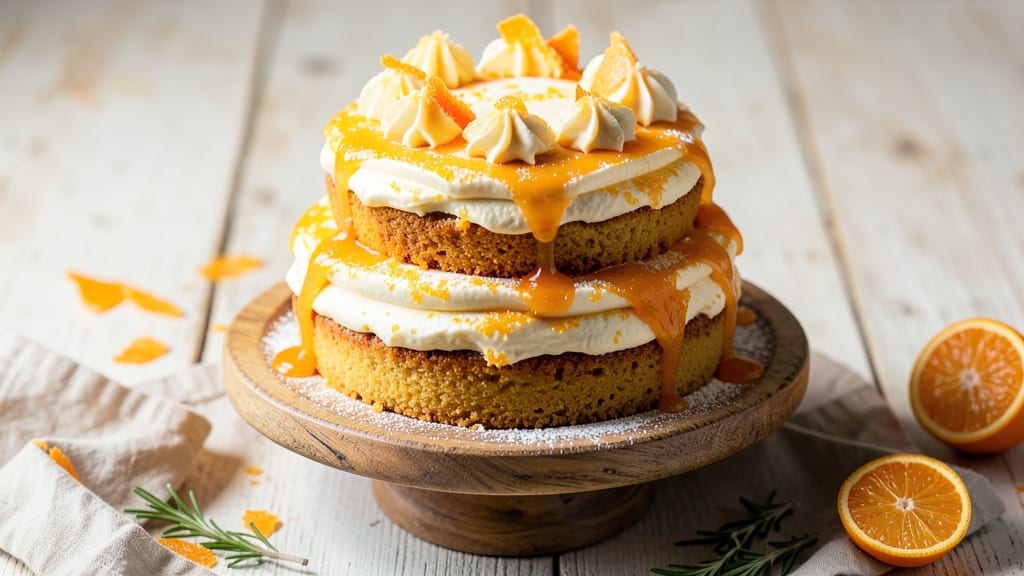
This Amish orange cake recipe delivers the perfect balance of tender, buttery layers and bright citrus swirl that tastes like a slice of nostalgia. 💛 The secret lies in simple, wholesome ingredients—no artificial flavors or shortcuts—just real vanilla, fresh orange zest, and a touch of cinnamon for warmth.
I developed this version after years of perfecting traditional Amish baking techniques, ensuring every bite is moist, flavorful, and beautifully rustic.
The cake's magic comes from its three key elements: a rich, buttery base, a zesty orange swirl that cuts through the richness, and a crumbly streusel topping that adds texture. Unlike store-bought versions, this recipe uses real orange juice and zest for authentic flavor, with no artificial preservatives.
The result is a cake that's light enough to eat for dessert but hearty enough to satisfy a crowd.
What makes this recipe stand out is its versatility—serve it with a dusting of powdered sugar for a simple, elegant finish or drizzle with a homemade orange glaze for extra shine. The cake keeps well for days, making it perfect for gatherings or meal prep.
Whether you're baking for a family reunion or just craving a taste of tradition, this recipe delivers restaurant-quality results with minimal effort.
Ready in about 1 hour (including baking and cooling), this cake is ideal for special occasions or when you want to impress without fuss. The instructions are straightforward, and the ingredients are easy to find, so even beginner bakers can achieve professional-looking results.
Let's get started on creating this timeless dessert!
Ingredients for amish orange cake
Twelve wholesome ingredients transform into a nostalgic Amish orange cake with buttery layers and vibrant citrus swirl.
| Ingredient | Amount | Notes |
|---|---|---|
| All-Purpose Flour 🌾 | 3 cups | Sifted for light texture |
| Granulated Sugar 🍚 | 2 cups | White or light brown |
| Unsalted Butter 🧈 | 1 ½ cups | Cold, cubed for cutting |
| Fresh Orange Juice 🍊 | 1 cup | Freshly squeezed, no pulp |
| Orange Zest 🍊 | 2 tbsp | From 2 large oranges |
| Large Eggs 🥚 | 3 whole | Room temperature |
| Pure Vanilla Extract 🌸 | 2 tsp | High-quality, not imitation |
| Baking Powder 🧂 | 2 tsp | Diamond Crystal preferred |
| Ground Cinnamon 🌿 | 1 tsp | Freshly ground preferred |
| Salt 🧂 | ½ tsp | Fine sea salt |
| Old-Fashioned Oats 🌾 | 1 cup | Blended into flour |
| Light Brown Sugar 🍚 | ½ cup | Packed, for streusel |
| Allspice 🌶️ | ½ tsp | Ground for warmth |
| Powdered Sugar 🍚 | 1 cup | For dusting or glaze |
The butter and flour form the cake's tender foundation—European-style all-purpose flour with a higher protein content (like King Arthur) yields a more elastic crumb. For the orange components, navel oranges provide the brightest juice and zest. I source my vanilla extract from McCormick's pure vanilla for consistent quality, though high-end brands like Bouchon elevate the flavor further. The baking powder is critical here; Diamond Crystal is double-acting, ensuring proper rise without metallic aftertaste. For the streusel, Bob's Red Mill old-fashioned oats provide the perfect chewiness when blended into flour.
No fresh oranges? High-quality bottled orange juice (like Tropicana Pure) works in a pinch, though fresh is ideal. Substitute vanilla extract with vanilla bean paste at half the amount for deeper flavor. The allspice in the streusel can be omitted if unavailable, but it adds warmth that complements the citrus beautifully. For a gluten-free adaptation, King Arthur gluten-free flour blend replaces the all-purpose flour, though texture will differ slightly. The powdered sugar for dusting can be swapped for confectioners' sugar from Domino—just sift to avoid lumps.
Store the cake in an airtight container at room temperature for up to 5 days, though it's best enjoyed within 2-3 days for optimal moisture. The streusel topping stays crisp for 3 days if kept sealed. For longer storage, freeze the cake (without glaze) for up to 3 months. Thaw at room temperature before serving. The orange zest loses potency over time, so zest fresh oranges just before baking for maximum brightness. The glaze, if used, should be applied within 1 hour of serving to prevent weeping.
Why You'll Love This Recipe
- This cake works for anything: a quick breakfast with coffee, a picnic spread, or even a birthday dessert. The rich butter and citrus combo feels fancy enough for a party, but it’s so easy I make it when I’m too tired for anything complicated.
- No Fuss Mixing: I swear by this recipe’s simplicity—just creaming butter and sugar, then folding in flour and orange juice like you’re making a cake from a box. The orange zest adds that bright punch without extra steps, and honestly? I’ve made it with my eyes closed (okay, maybe not, but close).
- Zesty Magic: That burst of fresh orange juice and zest turns ordinary cake into something special. It’s not too sweet, not too tart—just perfectly balanced, like a sunny afternoon in a box. My husband always asks for seconds, and I’m not even kidding.
- Weeknight or Celebration: This cake works for anything: a quick breakfast with coffee, a picnic spread, or even a birthday dessert. The rich butter and citrus combo feels fancy enough for a party, but it’s so easy I make it when I’m too tired for anything complicated.
Step-by-step instructions for Amish orange cake
Here's the method for rich, moist layers with vibrant citrus swirl—tested for perfect texture.
👨🍳 Step 1: Prepare the Orange Swirl Filling
In a small bowl, whisk together the 1 cup fresh orange juice and 2 tbsp orange zest until fully combined. This vibrant mixture will infuse the cake with bright citrus flavor while maintaining moisture. I like to strain it through a fine-mesh sieve to remove any pulp that could make the filling too thick.
Set aside the filling and preheat your oven to 350°F. Grease and flour two 9-inch round cake pans—this ensures easy release later. Line the bottoms with parchment paper circles for extra insurance against sticking. The pans should be ready while you prepare the dry ingredients.
👨🍳 Step 2: Blend and Mix the Dry Ingredients
In a food processor, blend the 1 cup old-fashioned oats until they resemble fine flour. This creates a tender crumb in the cake while adding subtle texture. Transfer the oat flour to a mixing bowl and whisk in the 3 cups all-purpose flour, 2 tsp baking powder, 1 tsp ground cinnamon, 0.5 tsp salt, and 0.5 tsp allspice.
Sift the dry ingredients together once more to aerate the flour and ensure even distribution of leavening. This step prevents dense spots in the finished cake. Keep this mixture ready—it's the foundation of our tender crumb.
🍳 Step 3: Cream Butter and Sugars for Light Texture
In a stand mixer fitted with the paddle attachment, beat the 1.5 cups cold unsalted butter (cut into cubes) with the 2 cups granulated sugar on medium speed for 3-4 minutes until light and fluffy. You'll see the mixture nearly double in volume and become pale in color—this incorporates air that creates the cake's signature tenderness.
Add the 3 whole large eggs, one at a time, mixing on low speed for 30 seconds after each addition. Scrape down the sides of the bowl to ensure even incorporation. Then add the 2 tsp pure vanilla extract and mix for another 30 seconds until fully combined. The mixture should be smooth and ribbon-like when you lift the paddle.
🥘 Step 4: Combine Wet and Dry Ingredients
With the mixer on low speed, gradually add the dry ingredients to the wet mixture, mixing just until combined. Be careful not to overmix—stop as soon as the flour is incorporated. The batter should be smooth but slightly thick, similar to cookie dough.
Divide the batter evenly between the two prepared cake pans. For the swirl effect, pour half of the orange filling into one pan, then divide the remaining batter between both pans, alternating between them. Use a spoon to gently swirl the filling through the batter in each pan—this creates those beautiful citrus ribbons throughout each slice.
🔥 Step 5: Bake and Cool for Perfect Layers
Bake the cakes for 25-30 minutes, or until a toothpick inserted into the center comes out clean. The edges should be golden brown, but the tops may still look slightly underdone—they'll set as they cool. Rotate the pans halfway through baking for even browning.
Remove the cakes from the oven and let them cool in the pans for 10 minutes. Then transfer to a wire rack to cool completely. Once fully cooled, dust the tops with 1 cup powdered sugar sifted through a fine-mesh sieve for a professional finish. The contrast between the golden cake and snowy powdered sugar makes this cake visually stunning.
Pro Tips For Making Amish Orange Cake
- Whisk Butter and Sugar: DESCRIPTION: Cream them for a full 3–4 minutes until pale yellow—this isn’t just about aerating, it’s about dissolving enough sugar into the butter to keep the cake tender. I used to rush this, and the cake turned out dense. Trust the timer.
- Strain Your Orange Juice: DESCRIPTION: No pulp, ever. Even a little fiber can weigh down the batter and leave a gritty texture. Use a fine-mesh sieve or cheesecloth, and if you’re lazy, buy bottled fresh-squeezed juice labeled "no pulp." Your cake’s moisture matters more than your time here.
- Don’t Overmix the Batter: DESCRIPTION: Fold in the flour just until combined—lumps are fine, but overworking it develops gluten and turns your cake into a tough cookie. The Amish version relies on a light, airy crumb, so stop when the flour disappears, not when it’s smooth.
- Check Internal Temp: DESCRIPTION: Pull the cake when the center hits 205–210°F (a toothpick should come out clean, but don’t rely solely on that). Ovens run hot, and overbaking dries out the orange flavor. If you’re unsure, let it rest 5 minutes before testing—it’ll keep cooking off the heat.
Wine and beer pairings for this amish orange cake
Citrus-Forward Whites
Bright, crisp whites like Sauvignon Blanc or Pinot Grigio complement the cake's citrus notes beautifully. I recommend a New Zealand Sauvignon Blanc—its zesty lime and grapefruit flavors mirror the orange zest in the cake.
A chilled Italian Pinot Grigio from Alto Adige adds a refreshing contrast with its floral and mineral notes. Serve both at 45-50°F to enhance their crispness. 🍷
Spiced Red Alternatives
For those who prefer red wine, opt for a light-bodied Pinot Noir with subtle spice notes. A Willamette Valley Pinot works wonderfully, as its red fruit and earthy undertones won't overpower the cake's citrus.
Avoid bold reds like Cabernet—stick to wines with ABV under 13% to maintain balance. Decant for 15-20 minutes to soften tannins before serving. 🍇
Creamy Beer Pairings
A Belgian Witbier like Hoegaarden adds effervescence that cleanses the palate between bites. The coriander and orange peel notes in the beer echo the cake's citrus swirl. For a malty option, try a light American lager such as Miller Lite—its subtle sweetness complements the cake's buttery layers without competing.
Serve beer chilled to 38-40°F for optimal refreshment. 🍺
Coffee or Tea Finishes
For a non-alcoholic pairing, serve with hot black tea like Earl Grey—the bergamot enhances the orange flavors. A dark roast coffee with 1 tsp vanilla syrup per cup adds warmth that contrasts the cake's brightness.
I often offer both options at gatherings; the tea is perfect for daytime, while coffee works beautifully with evening dessert. ☕
Seasonal Adaptations
In summer, a sparkling rosé with 1% alcohol adds festive bubbles that complement the cake's moist texture. For winter, switch to a dry Riesling from Germany—its honeyed apple notes balance the citrus during colder months.
Always store wine in a cool, dark place (like a cellar or fridge) until serving. ❄️
Nutrition facts
Frequently asked questions
Can I substitute bottled orange juice for fresh?
Yes, but fresh orange juice yields the brightest flavor. If using bottled, choose 100% pure orange juice with no added sugars (like Tropicana Pure). For extra zing, add 1 extra teaspoon of orange zest to compensate for lost freshness. The texture won't change, but the citrus punch will be slightly muted.
Why does my Amish orange cake turn out dense?
Overmixing the batter is the #1 culprit—stop as soon as the flour disappears. Also, ensure your butter is cold when creaming with sugar (it should hold its shape). Another common mistake is underbaking; check with a toothpick at 25 minutes—it should come out clean. For extra tenderness, sift your flour twice.
How do I make this cake gluten-free?
Replace the 3 cups all-purpose flour with a 1:1 gluten-free baking flour blend (like King Arthur). Reduce baking powder to 1.5 teaspoons and add 1/4 teaspoon xanthan gum to improve texture. Blend the oats separately and use 1/2 cup almond flour instead. Expect a slightly denser crumb but still delicious.
Can I bake this in a single 9x13-inch pan?
Yes, but the swirl effect will be less pronounced. Divide the batter evenly, then pour half the orange filling down the center. Use a knife to gently swirl it through the batter before baking. Reduce baking time to 30-35 minutes (check at 25 minutes) and cover loosely with foil if browning too quickly. The texture will be similar, just in one layer.
What's the best way to store leftovers?
Wrap each layer tightly in plastic wrap, then place in an airtight container with a slice of bread to absorb moisture. Store at room temperature for 3-4 days or freeze for up to 3 months. For the glaze version, freeze without the glaze—add it fresh after thawing. Reheat slices in a 200°F oven for 5 minutes to restore crispness.