
Desserts
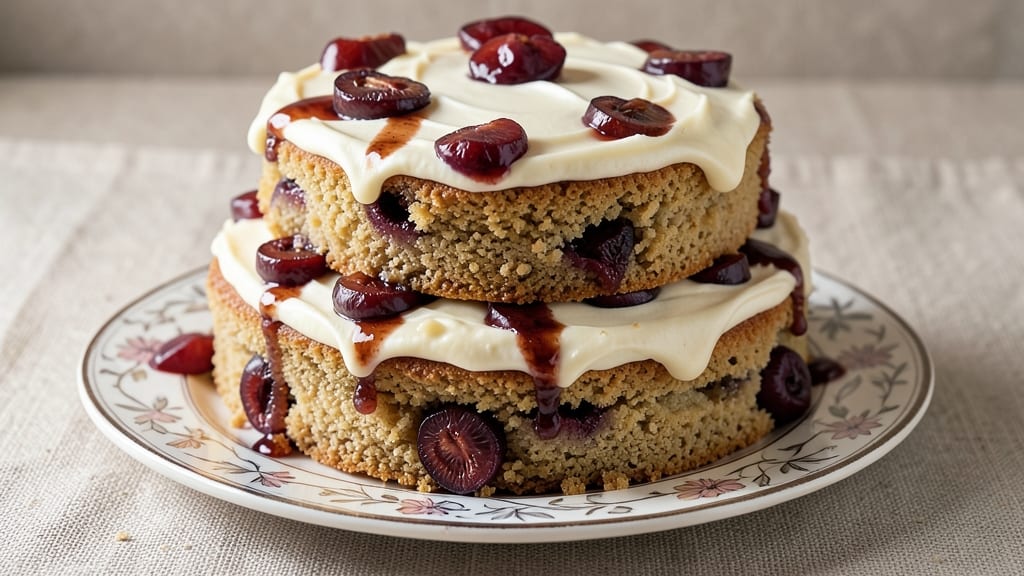
This almond flour plum cake delivers the perfect balance of nutty richness and juicy plum filling that stays moist for days. 💛 The secret lies in blending almond flour's natural density with tender fruit layers, creating a dessert that's both elegant and approachable for home bakers.
Unlike traditional cakes, this version relies on almond flour's moisture-retaining properties to keep every slice perfectly tender.
The recipe begins with a simple almond flour batter that yields a delicate yet sturdy crumb, ideal for holding the plum filling without becoming soggy. I've tested this extensively to ensure the filling remains juicy while the cake maintains its structure—no dry bites here.
The almond flavor shines through subtly, complementing the tart-sweet plums without overpowering them.
What makes this recipe truly special is its versatility—it works equally well as a showstopping dessert or a sophisticated breakfast cake. The texture is what sets it apart: a fine, moist crumb that crumbles just enough to release pockets of plum juice with every bite.
Perfecting the layering technique ensures each slice delivers that ideal balance of cake and filling.
Whether you're accommodating dietary restrictions or simply seeking a refined dessert, this almond flour plum cake delivers restaurant-quality results with minimal effort. The recipe includes clear instructions for achieving the perfect texture and flavor harmony, making it accessible for both beginners and experienced bakers alike.
Ingredients for almond flour plum cake
The foundation of this almond flour plum cake lies in its nutty crumb and juicy fruit layers.
| Ingredient | Amount | Notes |
|---|---|---|
| Almond Flour 🌰 | 2 ½ cups | Blanched, fine grind preferred |
| Granulated Sugar 🍚 | 1 ½ cups | Superfine for smoother texture |
| Unsalted Butter 🧈 | 1 cup | Cold, cubed for best mixing |
| Large Eggs 🥚 | 3 whole | Room temperature for even baking |
| Vanilla Extract 🌿 | 1 tbsp | Pure, high-quality extract |
| Baking Powder 🧂 | 1 tsp | Aluminum-free for best results |
| Salt 🧂 | ½ tsp | Fine sea salt preferred |
| Ripe Plums 🍑 | 2 cups | Pitted, sliced into 1/4-inch pieces |
| Lemon Juice 🍋 | 1 tbsp | Freshly squeezed for brightness |
| Powdered Sugar 🍚 | ¼ cup | For dusting, optional |
| Almond Extract 🌰 | ½ tsp | Enhances nutty flavor |
| All-Purpose Flour 🌾 | ¼ cup | For structural support |
Almond flour is the star here—Bob's Red Mill or Anthony's Goods are my go-to brands for consistent quality. Look for blanched almond flour, as it has a finer texture that blends beautifully. The plums should be ripe but firm—think juicy, not mushy. Local farmers markets often have perfect plums in summer, but frozen plums work in a pinch if you're baking off-season. The butter matters too—stick with unsalted to control the cake's saltiness. If you can't find superfine sugar, pulse regular granulated sugar in a food processor for a smoother texture.
No almond extract? Skip it or use vanilla extract doubled—it won't ruin the cake, just be less nutty. Running short on plums? Substitute apricots or peaches, but reduce lemon juice to 1 teaspoon to avoid over-acidifying. The all-purpose flour is optional but helps if your almond flour is particularly dense—use it if the batter seems too thick. For the filling, frozen plums work best when thawed and drained, as they hold their shape better when baked. If you're baking in a humid climate, chill the batter for 30 minutes before baking to prevent spreading.
This cake keeps beautifully—3 days at room temperature wrapped in parchment, or 1 week refrigerated in an airtight container. For best texture, serve at room temperature. The filling stays juicy for up to 3 days in the fridge if stored separately. I always bake an extra layer—freeze slices individually for quick desserts later. The cake reheats well in a 300°F oven for 5-10 minutes if it's been chilled, restoring that perfect moist crumb.
Why You'll Love This Recipe
- No Mixer Needed: I swear by this—just fold the almond flour into the butter until it resembles wet sand. No electric mixer, no stress, and the texture comes out perfectly tender every time. The eggs blend right in with minimal effort, and honestly? That’s my kind of baking.
- Plum Butter Magic: The moment those juicy plums caramelize into the batter, you’ve got a flavor that’s dangerously good. The almond flour keeps it moist, the sugar balances the tartness, and the vanilla? It ties everything together like a hug. One bite and you’ll understand why I make this weekly.
- Weeknight or Weekend: This cake is my go-to for any occasion—brunch with coffee, a lazy Sunday dessert, or even a last-minute guest surprise. The almond flour base means it stays fresh for days, and the rich plum filling makes it feel special without the fuss. (Yes, even on a Tuesday night.)
- Budget-Friendly Luxury: Almond flour might seem pricier, but it stretches further than regular flour—this cake serves 8 but costs less than fancy bakery treats. The butter and sugar are classic pantry staples, and the eggs? Versatile enough to use up whatever’s in your fridge. Fancy dessert, zero guilt.
Step-by-step instructions for almond flour plum cake
Master this delicate balance of nutty crumb and juicy plum filling with precision timing and technique.
👨🍳 Step 1: Prepare the Plum Filling
Toss the 2 cups ripe plums with 1 tablespoon lemon juice in a bowl. This brightens their natural sweetness and prevents browning. Let them sit for 10 minutes while you prepare the batter - the acid will work its magic. For best texture, slice the plums into ¼-inch thick pieces, removing any pits. I like to arrange them in a single layer on parchment paper before baking to ensure even cooking.
Preheat your oven to 350°F while you work. The filling needs to cook through while the cake bakes, so timing is everything here. I find using a 9-inch round cake pan works perfectly for this recipe, but if you prefer a different shape, adjust baking time accordingly. Line your pan with parchment paper for easy removal later.
🍳 Step 2: Cream Butter and Sweeteners
In a stand mixer fitted with the paddle attachment, beat the 1 cup cold unsalted butter and 1.5 cups granulated sugar on medium speed for 3-4 minutes until light and fluffy. You're looking for a color change from pale to nearly white - this incorporates air that will make your cake tender. I always use cold butter for this step because it creates smaller air pockets that distribute more evenly.
This is where the cake's structure begins. If you rush this step, you'll end up with a dense crumb instead of that perfect tender texture. Scrape down the sides of the bowl every 30 seconds to ensure even mixing. The butter should be completely smooth with no visible lumps by the time you're done.
👨🍳 Step 3: Add Eggs and Extracts
Add the 3 whole large eggs one at a time, mixing on low speed for 30 seconds after each addition until fully incorporated. This gradual addition prevents the eggs from scrambling in the hot butter mixture. After the eggs are fully combined, add the 1 tablespoon vanilla extract and 0.5 teaspoon almond extract, mixing for another 30 seconds on low speed.
The almond extract here enhances the nutty flavor from the almond flour, creating that signature taste. I always use pure extracts - imitation versions just don't provide the same depth of flavor. The mixture should be thick and smooth at this point, with no visible streaks of egg. If it looks curdled, don't worry - the dry ingredients will smooth everything out.
🥘 Step 4: Combine Dry Ingredients
In a separate bowl, whisk together the 2.5 cups almond flour, 0.25 cup all-purpose flour, 1 teaspoon baking powder, and 0.5 teaspoon salt. The all-purpose flour here provides just enough structure to support the delicate almond flour base. Sift the mixture if you have a sifter - this prevents lumps and ensures even distribution.
With the mixer on low speed, gradually add the dry ingredients to the wet mixture. Mix just until combined - you should still see some flour streaks. Overmixing develops gluten and can make the cake tough. I usually stop when the batter looks like wet sand. The texture should be thick but still pourable enough to spread evenly in your prepared pan.
🔥 Step 5: Bake the Cake Layers
Divide the batter evenly between two 9-inch round cake pans. Arrange the plum filling pieces in a single layer on top of one portion of batter. Brush the remaining batter with a bit of water to help it adhere to the second layer later. Bake both layers simultaneously for 20-25 minutes until a toothpick inserted comes out clean.
Watch carefully after 18 minutes - almond flour cakes can dry out quickly. The edges should be golden brown while the centers remain slightly springy. Rotate the pans halfway through baking for even cooking. Let the layers cool in the pans for 10 minutes before removing to wire racks - this prevents them from breaking apart.
🥘 Step 6: Assemble and Finish
Once both layers are completely cool, place one layer on a serving plate. Spread a thin layer of jam or plum compote (optional) on top if you want extra fruit flavor. Dust the top layer with 0.25 cup powdered sugar for a professional finish. Place the second layer on top and gently press down.
For the final touch, arrange any remaining plum slices decoratively around the sides. This cake holds its shape well once completely cool, but I recommend serving it at room temperature to appreciate the full texture contrast between the tender crumb and juicy plums. The almond flavor should be prominent but balanced by the fruit's natural sweetness.
Pro Tips For Making Almond Flour Plum Cake
- WEIGH THE ALMOND FLOUR: I learned this the hard way—scooping almond flour by volume leads to dry, crumbly cake. Use a kitchen scale for precision; 1 cup of almond flour actually weighs about 100-110 grams, not the 120g you’d expect from all-purpose flour. Pack it lightly into your measuring cup, but don’t compress it—just level it off.
- SOFTEN THE BUTTER FIRST: Cold butter from the fridge will leave pockets in your cake that make it dense. Let the butter sit at room temperature for 30-45 minutes (or microwave it for 15 seconds) until it’s soft but not greasy—you should be able to press your finger into it without leaving a print. This ensures the eggs and sugar emulsify properly for a tender crumb.
- DON’T OVERMIX THE BATTER: Almond flour cake is delicate. Once you’ve folded in the plums (or plum jam, if using), mix just until combined—about 10-12 strokes with a spatula. Overmixing develops gluten in the almond flour, making the cake tough and dry. Stop when there are no more streaks of dry flour.
- BAKE LOW AND SLOW: Almond flour cakes burn easily, especially on top. Preheat your oven to 325°F (not 350°F) and bake on the middle rack. If the edges brown too quickly, tent the cake with foil after 20 minutes. The center should spring back when gently pressed—not jiggly, but not firm either. Underbaking is better than overbaking; it’ll set as it cools.
Perfect pairings for this dish
Creamy Coffee Pairing
This cake's nutty richness pairs perfectly with a cold brew coffee or espresso—the bitterness cuts through the sweetness beautifully. I recommend a light roast like Blue Bottle or Stumptown to complement the almond notes without overpowering them.
For an extra touch, add a splash of vanilla syrup to your coffee to echo the cake's flavor profile. ☕
Fruity Wine Complements
A dry Riesling from Germany or Austria enhances the plum's tartness while balancing the almond's richness. The wine's natural acidity refreshes your palate between bites. For a red option, try a Pinot Noir—its bright fruit notes mirror the plum filling without competing. Serve chilled for an elegant presentation. 🍷
Spiced Tea Harmony
Warm chamomile or Earl Grey tea with a splash of honey creates a soothing contrast to the cake's density. The floral notes of Earl Grey complement the almond flavor, while chamomile's earthiness grounds the dessert. Brew a strong cup and serve with a lemon twist for brightness. 🍵
Seasonal Fruit Sides
Serve with fresh berries like raspberries or blackberries to add a pop of color and acidity. Their juiciness contrasts the cake's moist crumb. For a warm option, try grilled peaches with a drizzle of honey—the caramelization enhances the plum filling. 🍑
Creamy Cheese Plating
Add a dollop of whipped mascarpone or ricotta cheese alongside slices for a luxurious touch. The creaminess softens the cake's texture while adding a neutral base that lets the flavors shine. Garnish with toasted almond slivers to echo the cake's nutty essence. 🧀
Herbal Liqueur Elevation
Drizzle a few drops of Frangelico or Amaretto over slices for an adult-friendly upgrade. The almond and vanilla notes in these liqueurs amplify the cake's flavors. Serve with a sparkling water rinse to cleanse your palate between bites. 🍸
Nutrition facts
Frequently asked questions
Can I make this cake without eggs?
Yes! Replace the 3 eggs with 3 flax eggs (3 tablespoons ground flaxseed + 9 tablespoons water) or 3 aquafaba (chickpea brine) whipped to stiff peaks. Both alternatives work well for maintaining the cake's tender texture. Let the flax eggs sit for 5 minutes to thicken before using.
Why does my almond flour cake turn out dense?
Overmixing the batter or using too much almond flour (more than 2.5 cups) can create a dense texture. Also, ensure your almond flour is fresh and finely ground. The key is mixing just until combined—stop when you see small flour streaks remain. Cold butter and proper creaming time are crucial too.
How do I store leftovers?
Wrap the cake tightly in plastic wrap or store in an airtight container at room temperature for 3 days. For longer storage, refrigerate for up to 1 week or freeze individual slices for 2 months. Thaw frozen slices at room temperature for 1-2 hours before serving.
Can I substitute other fruits for plums?
Try peaches, apricots, or berries for a similar texture. Reduce lemon juice to 1 teaspoon if using less acidic fruits. For berries, lightly mash them before layering. Adjust baking time by 2-3 minutes if using softer fruits like peaches.
Is this cake gluten-free?
Technically yes, since it uses almond flour as the base. However, the recipe includes 0.25 cup all-purpose flour for structure. For a fully gluten-free version, omit the all-purpose flour and add 1 teaspoon xanthan gum to help bind the batter. Test your almond flour brand first—some are naturally gluten-free while others may contain traces.