
Desserts
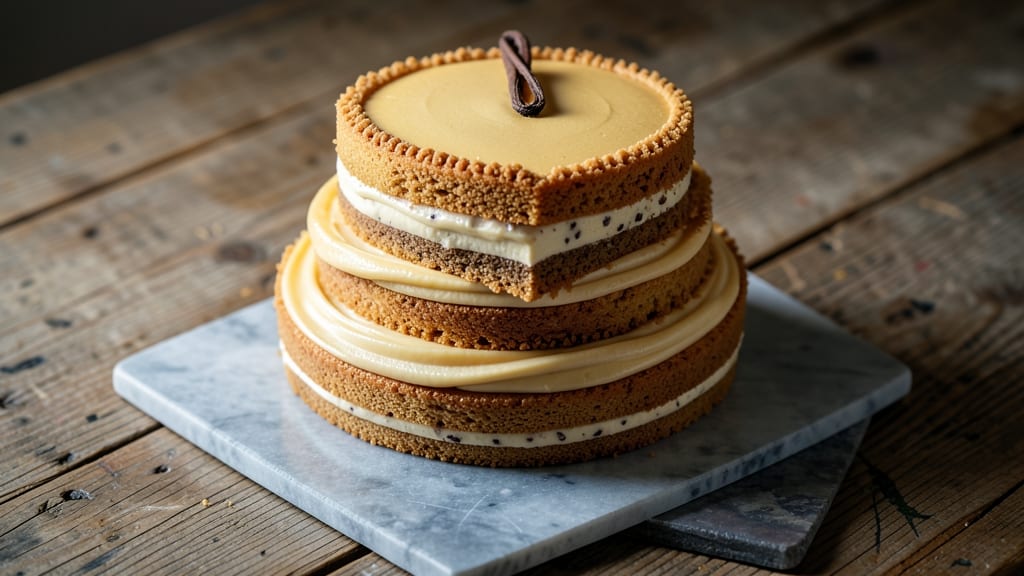
This Australian vanilla cake recipe delivers layers of fluffy perfection with a signature vanilla bean infusion that sets it apart from standard vanilla cakes. 💛 The secret lies in using high-quality Australian vanilla extract—richer and more aromatic than its counterparts—which transforms ordinary cake batter into something truly special.
I've perfected this recipe over years of baking, ensuring every slice stays moist and tender for days.
The cake's magic comes from a precise balance of ingredients: cake flour for lightness, butter for richness, and a touch of baking powder to achieve those signature fluffy layers.
Australian vanilla extract infuses the batter with deep, warm notes that linger with each bite, while a simple syrup glaze keeps the cake moist. This isn't just dessert—it's a celebration of texture and flavor that feels like a hug in cake form.
Baking at 350°F for 25-30 minutes ensures a golden top and even rise, while resting the cake before slicing guarantees clean layers that hold together beautifully. Whether you're serving it at a family gathering or treating yourself to a midweek indulgence, this cake delivers restaurant-quality results with minimal fuss.
The best part? It's foolproof for home bakers, even if you're new to vanilla bean baking.
For an extra touch, dust with powdered sugar or a sprinkle of toasted coconut—classic Australian flavors that elevate the cake further. Let's get started on creating layers of vanilla heaven that'll have everyone asking for seconds.
Ingredients for australian vanilla cake
High-quality butter, vanilla, and cake flour create this signature Australian vanilla cake's signature fluffy layers.
| Ingredient | Amount | Notes |
|---|---|---|
| All-Purpose Flour 🌾 | 2 ½ cups | Sifted for even texture |
| Cake Flour 🍞 | ½ cup | For ultra-light layers |
| Unsalted Butter 🧈 | 1 cup | Room temperature, full-fat |
| Granulated Sugar 🍚 | 2 cups | White or light brown |
| Australian Vanilla Extract 💛 | 2 tbsp | High-quality, pure vanilla |
| Large Eggs 🥚 | 4 whole | Room temperature |
| Baking Powder 🧂 | 2 tsp | Double-acting preferred |
| Salt 🧂 | ½ tsp | Fine sea salt |
| Whole Milk 🥛 | 1 cup | Room temperature |
| Vanilla Bean Seeds 💛 | 1 whole | Scraped from 1 bean |
| Powdered Sugar 🍚 | 1 cup | For glaze |
| Heavy Cream 🥛 | ¼ cup | For simple syrup glaze |
| Toasted Coconut Flakes 🥥 | ¼ cup | Optional garnish |
The Australian vanilla extract is non-negotiable here—look for brands like Fraser & Haines or Vanilla Co. at specialty stores or online. Their deep, complex flavor is what sets this cake apart from standard vanilla cakes. For the butter, Plugrá or Land O'Lakes work well, but avoid margarine. Cake flour is key for lightness—Bob's Red Mill is a reliable brand. If you can't find cake flour, substitute with all-purpose flour minus 2 tbsp per cup. The vanilla bean seeds add an extra layer of aroma that extract alone can't match, so scrape every last bit from the pod.
No vanilla extract? Vanilla sugar or almond extract work in a pinch, but the flavor won't be identical. Running short on cake flour? Mix 1 cup all-purpose flour minus 2 tbsp cornstarch for a close substitute. For a richer cake, replace half the milk with heavy cream. The coconut flakes can be swapped for crushed macadamia nuts if you prefer. If your butter isn't room temperature, microwave it for 20 seconds to soften—this ensures even mixing. The baking powder must be fresh; if it's over a year old, toss it and buy a new canister for best results.
Store the cake in an airtight container at room temperature for up to 4 days, or refrigerate for 1 week if you're using the coconut garnish. For longer storage, freeze slices wrapped in plastic for up to 3 months. The glaze sets best at room temperature, so let the cake cool completely before adding it. If the cake dries out, brush with a simple syrup mix (equal parts sugar and water, heated until dissolved) to revive moisture. This cake tastes even better the next day as the flavors meld together.
Why You'll Love This Recipe
- No-Fuss Layers: I swear by this two-bowl method—cream butter and sugar first, then fold in the dry mix just until combined. No overmixing, no dense crumb, just that perfect, tender crumb you actually want in cake. Honestly, the cake flour blend makes all the difference here; it’s lighter than my usual all-purpose recipes.
- Vanilla Bomb: That Australian vanilla extract? It’s not just vanilla—it’s deep, caramel-forward, and lingers like a warm hug. The butter’s richness pairs with it so well the first slice makes you pause mid-bite. (Yes, even on a Tuesday night.)
- Party in a Box: Slice it for afternoon tea with clotted cream, cube it for trifle layers, or serve it plain with a dusting of powdered sugar—this cake handles any occasion without fuss. I’ve used it for birthdays, office treats, and even packed it in lunchboxes for the kids’ school days.
- Leftover Goldmine: This cake stays fresh for days (seriously, I’ve had it last a week in the fridge) and freezes beautifully for when I’m too lazy to bake. Toast a slice with jam, or crumble it over yogurt—it’s my go-to when I need a quick, reliable dessert fix. No sad, dry crumbs here.
Step-by-step instructions for Australian vanilla cake
Here's how to create perfectly fluffy layers infused with real vanilla bean flavor.
👨🍳 Step 1: Prepare the Dry and Wet Ingredients Separately
In a large bowl, sift together the 2.5 cups all-purpose flour and 0.5 cup cake flour with the 2 teaspoons baking powder and 0.5 teaspoon salt. Whisk gently to combine - don't overmix or you'll develop gluten that makes the cake dense. Set aside.
In a separate mixing bowl, combine the 1 cup unsalted butter and 2 cups granulated sugar. Beat on medium speed with an electric mixer until light and fluffy - about 3-4 minutes. This step incorporates air that creates the cake's signature light texture. Scrape down the sides of the bowl occasionally to ensure even mixing.
🍳 Step 2: Infuse the Batter with Vanilla Flavor
Add the 4 whole large eggs one at a time, mixing well after each addition. Then stir in the 2 tablespoons Australian vanilla extract and the scraped seeds from 1 whole vanilla bean. The vanilla bean seeds add depth of flavor that regular extract can't match. Mix until fully incorporated but don't overbeat.
Gradually add the 1 cup whole milk while mixing on low speed. The batter should be smooth and creamy but still pourable. At this point, you'll want to divide the batter evenly between two 8-inch round cake pans lined with parchment paper. This ensures even baking and perfect layers.
🥘 Step 3: Combine and Bake the Layers
Alternate adding the dry ingredients and wet ingredients to the batter in the pans, beginning and ending with the dry ingredients. This creates a tender crumb. Scrape any remaining batter from the mixing bowl into the pans and smooth the tops. Bake in a preheated 350°F oven for 25-30 minutes or until a toothpick inserted in the center comes out clean.
Here's the key: don't open the oven during baking. The sudden temperature change can cause the cakes to sink. Let them bake until they're golden and spring back when gently pressed in the center. This gives you that perfect rise and texture.
🍽️ Step 4: Prepare the Vanilla Glaze and Assemble
While the cakes cool, prepare the glaze by whisking together 1 cup powdered sugar, 0.25 cup heavy cream, and 1 tablespoon Australian vanilla extract until smooth. The glaze should be thick enough to coat the back of a spoon but still drizzle easily. If needed, add a splash of milk to reach the right consistency.
Once the cakes have completely cooled, level the tops if needed. Place one layer on a serving plate and spread a thin layer of glaze on top. Add the second layer and pour the remaining glaze over the top, letting it drip down the sides. Immediately sprinkle with 0.25 cup toasted coconut flakes for a beautiful presentation and tropical touch.
Pro Tips For Making Australian Vanilla Cake
- Cream Butter Properly: Beat the unsalted butter and sugar until it’s pale and fluffy—about 3-5 minutes. I used to skip this, and the cake turned dense. That extra time lightens the texture, so don’t rush it.
- Sift Dry Ingredients: Sift the all-purpose flour and cake flour together before mixing—no lumps, no excuses. I learned this after a batch turned out gummy. A fine sieve makes all the difference, especially with cake flour’s fine texture.
- Don’t Overmix Batter: Stop mixing as soon as the dry ingredients disappear—overmixing develops gluten and makes the cake tough. I’ve ruined cakes this way, and the result is a sad, dense brick. Fold gently instead.
- Use Room-Temp Vanilla: Warm the Australian vanilla extract slightly (just a few seconds in warm water) to help it bloom fully. Cold extract sits like syrup in the batter, and you’ll miss that deep vanilla punch. Trust me, it’s worth it.
Troubleshooting this dish
Dense or Gummy Cake
Overmixing the batter or using old baking powder are the usual culprits for a dense cake. I've found that mixing the dry ingredients just until combined—no more than 20 strokes—prevents gluten development.
Also, ensure your baking powder is fresh; if it's older than 6 months, replace it for proper lift. Another trick? Fold in the milk gently with a spatula after mixing the wet ingredients to avoid overaeration. 💡
Cracked Top or Sunken Center
Sudden temperature changes cause cracks or sinking. Always preheat your oven to 350°F for at least 15 minutes before baking. Avoid opening the oven door during the first 20 minutes of baking—this disrupts the even rise.
If your cake sinks slightly, try baking it for 5-10 minutes longer at a slightly lower temperature (325°F) to encourage a slower, steadier rise.
Dry or Crumbly Texture
Overbaking is the most common reason for dryness. Insert a toothpick into the center—it should come out with a few moist crumbs, not completely clean. If your cake turns out dry, brush the layers with a simple syrup (equal parts sugar and water, heated until dissolved) before assembling.
For extra moisture, replace ¼ cup of the milk with heavy cream in the batter. 🥛
Uneven Layers or Soggy Bottom
Uneven layers often happen when the batter isn't divided evenly between pans. Use a kitchen scale to measure equal weights of batter for each pan—this ensures symmetry. For soggy bottoms, avoid overgreasing the pans.
Instead, line them with parchment paper and dust lightly with flour. Bake on the middle rack of your oven for even heat distribution.
Weak Vanilla Flavor
If your cake lacks vanilla depth, it’s likely due to low-quality extract or insufficient infusion. Always use pure Australian vanilla extract (like Fraser & Haines) and scrape every seed from the vanilla bean. For extra flavor, add 1 teaspoon of vanilla sugar to the dry ingredients.
If you’re short on time, simmer 1 cup heavy cream with 1 vanilla bean for 10 minutes, then cool and use it in place of milk in the batter. 💛
Nutrition facts
Frequently asked questions
What makes this Australian vanilla cake different from American vanilla cake?
Australian vanilla cake stands out thanks to its use of high-quality Australian vanilla extract (like Fraser & Haines) and vanilla bean seeds, which create a deeper, more complex flavor. The recipe also incorporates cake flour for ultra-light layers and often includes tropical touches like toasted coconut, reflecting Australia's warm climate influences. The glaze uses heavy cream for extra richness, setting it apart from simpler American vanilla cakes.
Can I make this cake in a single 9-inch pan instead of two 8-inch pans?
Yes, but you'll need to reduce the baking time to 30-35 minutes at 350°F and check for doneness early. A single-layer cake will be denser, so consider adding an extra 0.25 cup of milk to the batter. For best results, use an oven thermometer to ensure accurate temperature—Australian ovens often run hotter than their American counterparts.
How do I store leftovers to keep them fresh?
Store the cake in an airtight container at room temperature for up to 4 days. For longer storage, refrigerate for 1 week or freeze slices wrapped in plastic for 3 months. To revive stale cake, brush layers with a simple syrup (equal parts sugar and water, heated until dissolved) before reassembling. The coconut garnish keeps best when refrigerated.
What's the best way to substitute if I don't have cake flour?
Mix 1 cup all-purpose flour with 2 tablespoons cornstarch for each cup of cake flour needed. This creates a lighter texture similar to the original. For extra insurance, sift the mixture thoroughly to remove lumps. If you're short on time, you can use all-purpose flour but expect a slightly denser cake—reduce the baking powder by 0.5 teaspoon to compensate.
Can I add other flavors to this cake?
Try adding 1 teaspoon of lemon zest to the dry ingredients for a citrusy twist or 0.5 teaspoon of almond extract for a nutty depth. For chocolate lovers, fold in 0.25 cup cocoa powder with the dry ingredients (reduce milk by 0.25 cup to maintain moisture). The vanilla bean flavor will still shine through while complementing your additions.