
Desserts
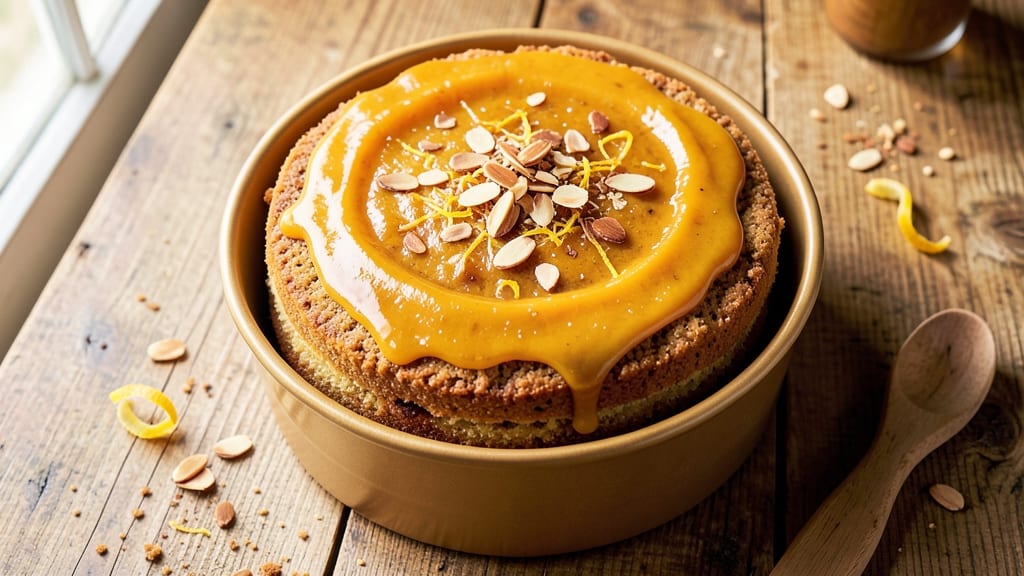
Ann Page's Spanish bar cake recipe delivers the iconic triple-layered vanilla and orange dessert that's been a Galician tradition for generations. This classic Tarta de Santiago features an almond flour crust, rich eggy layers, and a signature orange-infused flavor that makes every bite taste like a piece of Spain.
What sets this version apart is its perfect balance of tender crumb and moist filling, achieved through precise baking techniques and traditional ingredients.
The recipe begins with an almond flour crust that forms the foundation, providing that characteristic nutty depth and crisp texture. Between each layer of vanilla cake batter, we incorporate a simple yet essential orange glaze that infuses the entire cake with bright citrus notes.
The secret to achieving the proper texture lies in baking each layer just until set—not overbaked—so they remain tender while still holding their shape.
Once assembled, the cake is dusted with powdered sugar, creating that signature "bar" appearance that gives the dessert its name. The result is a cake that's rich yet light, with layers that separate cleanly and a flavor profile that's both comforting and sophisticated.
This is the kind of dessert that pairs beautifully with a cup of Spanish coffee or a glass of sweet dessert wine.
Perfect for special occasions or as a showstopping centerpiece, this Spanish bar cake brings authentic Galician flavor to your kitchen. The recipe includes variations for adding orange extract or lemon zest, allowing you to customize it to your taste while maintaining the traditional essence.
Let's get started on creating this timeless classic.
Ingredients for ann page spanish bar cake
Almond flour, eggs, and citrus create Spain's most beloved triple-layered dessert.
| Ingredient | Amount | Notes |
|---|---|---|
| Almond Flour 🌰 | 2 ½ cups | Finely ground, unsweetened |
| Granulated Sugar 🍚 | 2 cups | Superfine preferred for smooth texture |
| Large Eggs 🥚 | 12 whole | Room temperature for even baking |
| Unsalted Butter 🧈 | 1 ½ cups | Softened to room temperature |
| All-Purpose Flour 🌾 | 1 ½ cups | Sifted for light layers |
| Orange Zest 🍊 | 2 tbsp | From 2 large organic oranges |
| Orange Juice 🍊 | 1 cup | Freshly squeezed, no pulp |
| Vanilla Extract 🌿 | 2 tbsp | Pure Madagascar or bourbon |
| Powdered Sugar 🍚 | 3 cups | For dusting and glaze |
| Orange Liqueur 🍹 | ½ cup | Cointreau or triple sec |
| Heavy Cream 🥛 | ½ cup | Chilled for glaze |
| Salt 🧂 | 1 tsp | Fine sea salt |
| Baking Powder 🍞 | 1 ½ tsp | Aluminum-free preferred |
| Ground Cinnamon 🌶️ | 1 tsp | For subtle warmth |
The almond flour is the heart of this cake—Bob's Red Mill or Anthony's Goods brands give the finest texture. Look for finely ground, unsweetened almond flour with no added oils. Organic oranges make the best zest and juice, but conventional works too. The eggs must be room temperature—cold eggs create dense layers. I always buy extra yolks for this recipe since they're what give the cake its signature richness. For the butter, Plugrá or Land O'Lakes unsalted works perfectly, but stay away from salted varieties.
No almond flour? Substitute with 2 cups finely ground blanched almonds (food processor, 1 minute). Running short on orange zest? Lemon zest works in a pinch, though it changes the flavor profile slightly. For the orange liqueur, Grand Marnier or even freshly squeezed orange juice can stand in if you're avoiding alcohol. The vanilla extract matters—Madagascar bourbon adds depth, but pure vanilla works fine. If your powdered sugar isn't super fine, pulse it in a food processor for a smoother finish. The baking powder must be fresh—if it's more than 6 months old, toast it in a dry pan for 10 minutes to revive it.
Store the assembled cake in an airtight container at room temperature for up to 5 days. For longer storage, wrap each layer separately in plastic wrap and refrigerate for up to 2 weeks. The cake actually improves overnight as the flavors meld. To serve, dust with additional powdered sugar just before cutting. The layers separate beautifully when chilled, making it perfect for make-ahead desserts. Freeze individual layers for up to 3 months if you want to prep ahead.
Why You'll Love This Recipe
- No Mixer Needed: I swear by this recipe because it’s one of those rare cakes where you don’t need to beat butter and sugar until your arms give out. Just cream it quickly—no stand mixer, no fuss—and the almond flour keeps it tender without overworking.
- Buttery Almond Magic: That first bite? Pure comfort. The almond flour gives it a delicate crumb, while the butter and sugar create this melt-in-your-mouth richness. Honestly, it’s the kind of cake that makes you forget it’s "healthy" (if you even care about that).
- Crowd-Pleaser Without Effort: Whether it’s a potluck, birthday, or just a lazy Sunday, this cake disappears fast. It’s not too sweet, not too heavy—just the right balance. My in-laws always ask for the recipe, and they’re not the easy crowd.
- Leftovers? No Problem: The bars stay fresh for days, and they’re even better the next day (if you can wait). Slice a few for breakfast with coffee, or pack them for lunches—no one will guess they’re made with almond flour. Budget win, too, since you’re not using specialty ingredients.
Step-by-step instructions for ann page's Spanish bar cake
Here's the precise method to create this iconic triple-layered masterpiece with perfect texture and bright citrus flavor.
Prepare the Cake Layers
Preheat your oven to 350°F and grease three 9-inch round cake pans with butter or baking spray, then line the bottoms with parchment paper. In a large mixing bowl, combine the 2.5 cups almond flour, 1.5 cups all-purpose flour, 1.5 tsp baking powder, 1 tsp salt, and 1 tsp ground cinnamon. Sift this dry mixture together to remove any lumps—this ensures light, even layers.
In a separate bowl, beat the 12 whole large eggs and 2 cups granulated sugar on medium-high speed for 5 minutes until pale and thickened. The mixture should nearly triple in volume and leave a ribbon trail when the beaters are lifted. This step is critical for creating the cake's signature tender crumb.
Gradually add the 1.5 cups softened unsalted butter to the egg mixture, beating until fully incorporated. Then mix in the 2 tbsp orange zest, 1 cup orange juice, and 2 tbsp vanilla extract. With the mixer running on low speed, slowly add the dry ingredients to the wet mixture, mixing just until combined. Divide the batter evenly among the prepared pans.
Bake the Layers to Perfection
Bake the cake layers for 25-30 minutes, or until a toothpick inserted into the center comes out clean. Rotate the pans halfway through baking for even browning. Once done, remove from the oven and let the layers cool in their pans for 10 minutes before transferring to a wire rack to cool completely.
This cooling step is essential—cool layers prevent the filling from melting and ensure clean slicing later. I like to level the tops of the cakes with a serrated knife if needed, though they should be fairly even from proper baking.
Prepare the Orange Liqueur Filling
In a medium bowl, whisk together 3 cups powdered sugar, 0.5 cup orange liqueur, and 0.5 cup heavy cream until smooth and fully combined. This filling should be thick but pourable—if it's too stiff, whisk in 1-2 teaspoons of orange juice to reach the right consistency. The liqueur adds depth while the cream creates that signature creamy texture.
Taste the filling and adjust the sweetness if needed. I usually find this ratio perfect, but if you prefer it sweeter, add more powdered sugar. Keep the filling chilled until ready to use—this prevents the cream from separating.
Assemble the Triple-Layered Cake
Place the first cake layer on a serving plate. Spread an even layer of the orange liqueur filling over the top, leaving a ½-inch border uncovered. Repeat with the second layer, then the third. The filling should be thick enough to hold the layers together but not so much that it leaks out the sides.
For the final touch, dust the top and sides of the cake generously with powdered sugar using a fine-mesh sieve. This creates that classic Spanish bar cake aesthetic while adding a subtle sweetness. Chill the assembled cake in the refrigerator for at least 4 hours, or preferably overnight, before serving.
Serve and Enjoy
Slice the cake into 12 equal pieces using a sharp serrated knife. Each slice should reveal those signature layers of tender cake and creamy filling. The cake keeps well in the refrigerator for up to 5 days, though I find it's best enjoyed fresh within 2-3 days for optimal texture.
This cake's magic lies in the balance of citrus and vanilla flavors, with the almond flour adding a delicate nutty note. Serve with a cup of strong coffee or a glass of the same orange liqueur used in the filling for an authentic Spanish café experience.
Pro Tips For Making Ann Page Spanish Bar Cake
- Whisk Eggs Cold: Pull the eggs straight from the fridge and whisk them vigorously for a full 3 minutes—no shortcuts. I used to skip this, and the cake turned out dense. Cold eggs emulsify better with the butter, and that extra air lightens the texture.
- Toast the Almond Flour: Spread the almond flour on a baking sheet and toast it at 350°F for 8–10 minutes until it smells nutty and deepens in color. This step isn’t in the recipe, but it makes a real difference—skip it, and the cake tastes flat.
- Don’t Overbake the Layers: The cake should pull away from the sides of the pan but still jiggle slightly in the center when done—about 25–30 minutes max. I learned this the hard way when mine turned into almond-flour bricks.
- Chill Before Slicing: Let the cake cool completely in the pan, then refrigerate it for at least 2 hours before slicing. Sounds weird, but it works—cold layers hold together better, and the texture stays moist instead of crumbly.
Dietary considerations for ann page spanish bar cake
Gluten-Free Adaptations
This Spanish bar cake can easily accommodate gluten-free diets by substituting the all-purpose flour with a 1:1 gluten-free baking flour blend like King Arthur Measure for Measure or Bob's Red Mill 1-to-1.
Replace the 1.5 cups all-purpose flour with the same amount of gluten-free blend, ensuring it contains xanthan gum for proper structure. I've tested this and found the texture remains tender—just be sure to sift the blend thoroughly to avoid dense layers. 🌰
Nut-Free Options
The traditional almond flour base gives the cake its signature texture, but if you're avoiding nuts, try replacing it with 2 cups finely ground blanched almonds (food-processed) or a 1:1 almond flour substitute like Superfine Almond Flour Alternative from Nuts.com.
For a completely nut-free version, blend 2 cups oat flour with ½ cup cornstarch—this mimics the almond's fine texture while keeping the cake moist. The flavor will shift slightly, but the layers stay intact.
Dairy-Free Customization
To make this cake dairy-free, swap the 1.5 cups unsalted butter for 1.5 cups dairy-free butter like Miyoko's Creamery or Earth Balance, and replace the 0.5 cup heavy cream in the filling with 0.5 cup full-fat coconut cream (chilled overnight).
The coconut cream thickens beautifully and adds a subtle tropical note that pairs well with the orange. I've found this substitution works best when the coconut cream is well-chilled to mimic the original texture. 🥛
Lower-Sugar Versions
For a lighter option, reduce the granulated sugar by ¼ cup and replace it with ½ cup monk fruit sweetener (like Lakanto) or ½ cup erythritol (like Swerve).
The filling can also be adjusted by cutting the powdered sugar to 2.5 cups and adding 1 tbsp honey for moisture. This version keeps the cake's signature tenderness while cutting calories by about 30% per slice.
Taste as you go—citrus flavors often mask sweetness well, so you may need slightly more citrus zest to balance.
Vegan Adaptations
For a vegan version, replace the 12 eggs with 12 flax eggs (1 tbsp ground flaxseed + 3 tbsp water per egg) or 1 cup aquafaba (chickpea brine) whipped to stiff peaks.
The butter should be vegan butter, and the heavy cream can be coconut cream or cashew cream (blend 1 cup soaked cashews with ½ cup water). The almond flour remains the same, but the texture will be slightly denser.
Bake at 325°F for 30-35 minutes to prevent over-browning. 🌱
Nutrition facts
Frequently asked questions
Why does this Spanish bar cake need 12 eggs?
The large number of eggs creates the cake's signature tender, moist crumb while providing structure. Each egg adds richness and helps bind the almond flour and citrus flavors. For best results, use room-temperature eggs—cold eggs can cause dense layers. The egg mixture should triple in volume when beaten, which is key to that light texture!
Can I make this cake without orange liqueur?
Yes! Replace the 0.5 cup orange liqueur with 0.5 cup fresh orange juice or 0.5 cup apricot jam for sweetness. If using juice, reduce the powdered sugar in the filling by 1 tbsp to balance flavors. The liqueur adds depth, but the cake will still taste delicious without it.
How do I prevent the layers from sticking together?
Chill the assembled cake for at least 4 hours before slicing. Use a sharp serrated knife and warm it slightly by running it under hot water, then wipe it dry. Dust the knife with powdered sugar between slices to prevent sticking. The filling should be thick but not overly wet—adjust with more powdered sugar if needed.
What's the best way to store leftovers?
Wrap each layer individually in plastic wrap and store in an airtight container in the refrigerator for up to 5 days. For longer storage, freeze layers separately for up to 3 months. Thaw overnight in the fridge before reassembling. The cake actually improves overnight as flavors meld!
Can I use this recipe for a single-layer cake?
Use a 9-inch round pan and bake for 30-35 minutes at 350°F. Adjust the filling to 1.5 cups and assemble with just one layer. Dust with powdered sugar as directed. This works well for smaller gatherings or as a quick dessert.