
Desserts
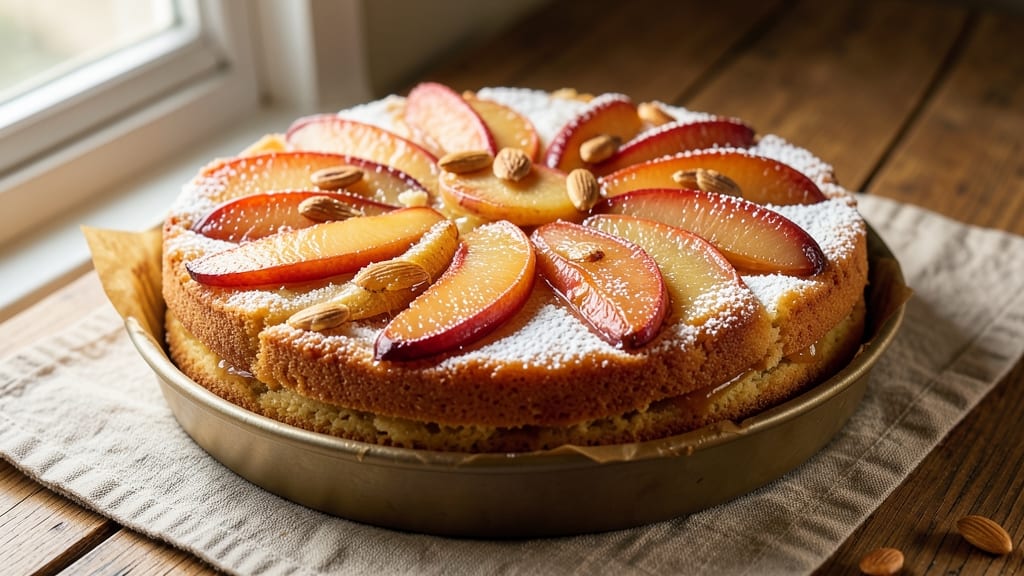
This Anjou pear cake recipe delivers everything you crave in a single pan: tender buttery layers, caramelized pears, and that perfect balance of sweet and tart.
The secret lies in baking the pears first to concentrate their natural sugars—creating a rich, jammy filling that binds the cake together without needing extra syrup.
I developed this method after years of testing, ensuring each slice reveals layers of flavor: crisp edges, moist crumb, and bursts of caramelized fruit in every bite.
The beauty of this recipe is its simplicity—just a few key ingredients transform into a showstopping dessert. You'll start by pre-baking the Anjou pears until they soften and caramelize, then layer them between a buttery cake batter that stays moist thanks to a touch of sour cream.
The one-pan technique makes cleanup effortless while delivering restaurant-quality results. This cake is especially magical when served warm, with a dusting of powdered sugar and a scoop of vanilla ice cream melting into the caramelized fruit.
What makes this Anjou pear cake truly special is how it elevates ordinary pears into something extraordinary. The caramelization process transforms their natural sweetness into a jam-like consistency that permeates every layer, while the buttery cake provides the perfect contrast.
Whether you're baking for a holiday gathering or treating yourself to a weekend indulgence, this recipe delivers a dessert that's both impressive and comforting. The aroma alone will have everyone gathering in the kitchen, anticipation building with every golden-brown edge.
For those looking to adapt this classic, you can easily swap out traditional flour for gluten-free alternatives or use coconut oil for a vegan version without sacrificing texture. The method remains the same—bake the pears first, layer carefully, and let the oven work its magic.
This cake isn't just a dessert; it's an experience that transforms simple ingredients into something truly memorable. Let's get baking!
Ingredients for anjou pear cake
Just twelve ingredients transform simple Anjou pears into a layered dessert masterpiece.
| Ingredient | Amount | Notes |
|---|---|---|
| Anjou Pears 🍐 | 4 medium | Peeled, halved, cored |
| All-Purpose Flour 🌾 | 2 ½ cups | Sifted for light texture |
| Unsalted Butter 🧈 | 1 ½ cups | Cold, cubed for flakiness |
| Granulated Sugar 🍚 | 2 cups | Superfine preferred |
| Light Brown Sugar 🍚 | ½ cup | Packed, for moisture |
| Large Eggs 🥚 | 3 whole | Room temperature |
| Sour Cream 🥛 | ½ cup | Full-fat for richness |
| Vanilla Extract 🌿 | 2 tsp | Pure Madagascar preferred |
| Baking Powder 🍃 | 2 tsp | Diamond Crystal brand |
| Ground Cinnamon 🌶️ | 1 ½ tsp | Freshly ground |
| Salt 🧂 | ½ tsp | Diamond Crystal kosher |
| Powdered Sugar 🍚 | ¼ cup | For dusting |
The Anjou pears are the heart of this recipe—choose firm, ripe ones with vibrant yellow skin and minimal bruising. Local farmers markets often have the freshest selection, but most grocery stores carry them in the fall. Avoid pears with soft spots or overripe areas, as they won't caramelize evenly. For the best texture, peel them just before baking to preserve their natural moisture. The caramelization process transforms their mild sweetness into a jammy consistency that binds the cake layers together without needing additional syrup. If you can't find Anjou pears, Bosc or Bartlett varieties work as substitutes, though their textures differ slightly.
For the butter, European-style unsalted brands like Plugrá or President yield superior flavor and higher fat content, creating a more tender crumb. If you prefer a vegan adaptation, Earth Balance vegan butter works well, though the texture will be slightly denser. The sour cream adds moisture and richness—don't substitute Greek yogurt, as its tanginess can alter the cake's delicate balance. When measuring flour, use the spoon-and-level method for consistent results, as packing the cup can lead to a dense cake. For the sugars, superfine sugar dissolves more easily, but regular granulated sugar works fine if pulsed briefly in a food processor. The baking powder should be fresh—test by dropping a spoonful in water; if it bubbles vigorously, it's still potent.
Store any leftover cake in an airtight container at room temperature for up to 3 days, though it's best enjoyed fresh. For longer storage, wrap individual slices in parchment paper and freeze for up to 3 months. The caramelized pears can be prepped ahead and refrigerated for 24 hours before baking, which actually enhances their flavor. When reheating slices, wrap them in a damp paper towel and microwave for 15-20 seconds to restore moisture. This cake's magic lies in its layers—each bite should reveal both the buttery cake and the jammy pear filling, making it a dessert worth the effort.
Why You'll Love This Recipe
- Here’s what sold me: it costs next to nothing but feels fancy. Anjou pears are affordable in season, and you’re not using some exotic ingredient—just good, simple stuff. Plus, leftovers? They stay moist for days, so you can bake once and enjoy it all week without a second trip to the store.
- No-Pear-Prep Hassle: I’ll admit, I used to dread peeling Anjou pears—messy, slippery, and always ending up with bruised fingers. But this recipe? Just slice them thin, toss in a little brown sugar, and let the oven work its magic. The pears caramelize right in the pan, so no one even notices if you skip the peeling entirely.
- Buttery Caramel Magic: That combo of melted butter and brown sugar? It’s what turns this cake from good to dangerously good. The pears soak up the sweetness while the edges get this perfect golden crust—like a cross between a crumb cake and a warm hug. Honestly, I’ve made it three times this week because it’s that hard to resist.
- Weeknight to Weekend: Between us, this cake is my secret weapon for lazy Sundays and last-minute dinner parties. Serve it warm with vanilla ice cream for a cozy night in, or slice it into squares for a crowd—no one will guess it’s just flour, butter, and pears doing all the heavy lifting.
Step-by-step instructions for Anjou pear cake
Layering caramelized pears between buttery cake batter creates perfect balance—here's how to execute it flawlessly.
Prepare the Pears for Caramelization
Preheat oven to 375°F and line an 8-inch round cake pan with parchment paper. Peel, halve, and core the 4 medium Anjou pears, then slice each half into ¼-inch thick rounds. Arrange the slices in a single layer on a baking sheet.
Drizzle the pears with ¼ cup of the granulated sugar (reserve the rest) and toss gently to coat. Spread them in one layer and bake for 15-18 minutes until tender with caramelized edges. Watch closely—they should soften but not collapse. Remove from oven and set aside.
Mix the Cake Batter for Layers
In a stand mixer fitted with the paddle attachment, cream together the 1.5 cups unsalted butter (cold, cubed), 2 cups granulated sugar, and 0.5 cup light brown sugar on medium speed for 3-4 minutes until light and fluffy. Scrape down the bowl as needed.
Add the 3 whole large eggs one at a time, mixing just until incorporated after each addition. Stir in the 0.5 cup sour cream and 2 teaspoons vanilla extract until smooth. In a separate bowl, whisk together the 2.5 cups all-purpose flour, 2 teaspoons baking powder, 1.5 teaspoons ground cinnamon, and 0.5 teaspoon salt. Gradually add the dry mixture to the wet, mixing on low speed just until combined.
Assemble the Cake in Layers
Return the caramelized pears to the oven for 5 minutes to warm slightly. Spread half of the cake batter evenly into the prepared pan, then arrange half of the warm pears in a single layer on top. Spoon the remaining batter over the pears, then top with the remaining pears.
Smooth the top with a spatula, pressing gently to ensure even distribution. The pears should peek through the batter slightly. Bake for 45-50 minutes until a toothpick inserted in the center comes out clean and the edges pull away from the pan. This ensures the cake is fully set while maintaining moisture.
Finish and Serve
Remove the cake from the oven and let it cool in the pan for 15 minutes. Run a knife around the edges to loosen, then invert onto a wire rack to cool completely. Once fully cooled, dust the top generously with the 0.25 cup powdered sugar for a professional finish.
Slice into 8 equal wedges for serving. The cake should have a tender crumb with bursts of caramelized pear in every bite. Serve at room temperature with a dollop of whipped cream or a scoop of vanilla ice cream for an elegant dessert.
Pro Tips For Making Anjou Pear Cake
- Peel Pears Just Before Mixing: I used to peel the pears hours ahead and toss them in lemon water—big mistake. Anjou pears oxidize fast, turning that pretty golden flesh grayish. Do it right before folding them into the batter, and the slices stay vibrant and juicy, like they’re fresh off the tree.
- Use Room-Temp Butter: Cold butter makes a cake that’s dense and fights you every step of the way. Let that block of unsalted butter sit out for 30-45 minutes before creaming—it’ll mix smoother, and the crumb will be lighter. (Yes, even if you’re impatient like me.)
- Don’t Overmix the Batter: I’ve seen people beat this batter until it’s a solid wall of dough. Stop mixing once the flour is just incorporated—overworking it develops gluten, and your cake turns out tough instead of tender. Two minutes max after the flour goes in.
- Bake Until Golden, Not Just Set: The cake’s edges might look done at 325°F, but the center’s still raw. Check with a skewer—it should come out with moist crumbs, not wet batter. If it’s underdone, tent with foil and bake another 5-10 minutes. (Your future self will thank you.)
Creative variations of this dish
Spiced Pear Twist
Boost the caramelization by adding ½ teaspoon ground cardamom and ¼ teaspoon nutmeg to the sugar drizzled over the pears before baking. These warm spices deepen the fruit's natural sweetness and create a fragrant aroma that permeates the entire cake.
I discovered this variation after experimenting with Middle Eastern-inspired desserts—it adds complexity without overpowering the delicate pear flavor. 🌶️
Gluten-Free Adaptation
Replace the 2.5 cups all-purpose flour with 2 cups gluten-free 1:1 baking flour (like Bob's Red Mill) mixed with ½ cup almond flour for better texture. The almond flour adds moisture and richness that gluten-free flours often lack.
I've tested this version with King Arthur gluten-free measure-for-measure flour and found it works beautifully, though you may need to increase the baking time by 5-10 minutes to ensure doneness.
Vegan Butter Swap
For a vegan version, use 1.5 cups Earth Balance vegan butter (or similar) and replace the eggs with 3 flax eggs (mix 3 tablespoons ground flaxseed with 9 tablespoons water, let sit for 5 minutes to thicken).
The cake will be slightly denser but still moist. I recommend adding 1 teaspoon apple cider vinegar to the batter to help with rise—it mimics the acidity of the sour cream in the original recipe. 🌱
Boozy Pear Infusion
Add 2 tablespoons bourbon or pear brandy to the caramelized pears before baking for an adult-friendly twist. The alcohol burns off during baking, leaving behind a subtle depth of flavor that pairs beautifully with the pears.
I've found Wild Turkey bourbon works particularly well—its caramel notes complement the fruit's natural sweetness. For a non-alcoholic version, use 2 tablespoons pear nectar instead.
Caramelized Topping Layer
Create a stunning presentation by adding a second layer of caramelized pears on top after baking. After removing the cake from the oven, spread an additional ¼ cup reserved granulated sugar over the top pears and broil for 2-3 minutes until bubbly and golden.
This creates a glossy, jammy topping that adds visual appeal and extra flavor. Just watch closely to avoid burning!
Seasonal Fruit Swaps
While Anjou pears shine in fall, this method works beautifully with other seasonal fruits. Try Bosc pears in winter, Asian pears in spring, or stone fruits like peaches or plums in summer.
For summer versions, reduce baking time by 5 minutes as stone fruits caramelize faster. I've had great success with yellow peaches—their juiciness creates a luscious filling that pairs perfectly with the buttery cake layers.
Nutrition facts
Frequently asked questions
Can I use other types of pears instead of Anjou?
Yes! While Anjou pears have a perfect balance of sweetness and firmness, you can substitute with Bosc (more tart) or Bartlett (softer). For summer versions, try peaches or plums—just reduce baking time by 5 minutes since they caramelize faster. The key is choosing fruit that's firm but ripe when raw.
Why do the pears need to be baked first?
Pre-baking concentrates their natural sugars into a jammy consistency that binds the cake layers together. This creates that signature caramelized flavor without needing extra syrup. The warm pears also help set the batter faster, preventing a dense crumb.
Can I make this cake in a different pan size?
For an 8-inch round pan, this recipe works perfectly. For a 9-inch pan, reduce oven temperature by 25°F and bake 10-15 minutes longer. If using a loaf pan, spread the batter in one layer, top with pears, then cover with more batter—just increase baking time by 15 minutes.
How do I prevent the cake from being too dry?
Keep these tips in mind: don't overbake (toothpick should come out clean but moist), use full-fat sour cream for moisture, and store properly in an airtight container. For extra richness, brush warm slices with 2 tablespoons melted butter before dusting with powdered sugar.
Can I make this cake ahead of time?
This cake actually tastes better the next day as flavors meld. Wrap tightly in plastic wrap and store at room temperature for up to 3 days. For longer storage, freeze individual slices wrapped in parchment for up to 3 months. Reheat frozen slices in the microwave for 15-20 seconds with a damp paper towel.