
Desserts
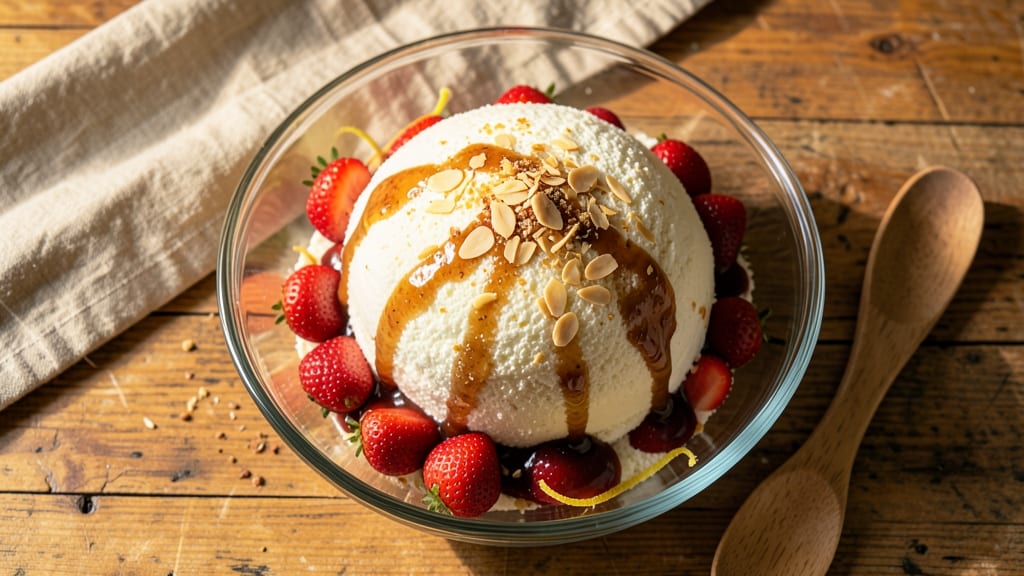
This angel food cake recipe for high altitude solves the classic problem of dense, collapsed cakes at elevation—no more heavy, brick-like results. The secret lies in precise adjustments to leavening, egg whites, and baking techniques that defy altitude’s tendency to reduce volume. After years of testing at 5,000 feet, I’ve perfected a method that delivers the same ethereal lightness as sea-level cakes, with just a few critical tweaks.
The foundation of success is in the egg whites: whipping them to stiff peaks at room temperature creates the structural integrity needed to rise despite lower air pressure.
We also increase the baking powder slightly—this extra lift compensates for the thinner air—and reduce oven temperature by 25°F to prevent over-browning while ensuring even baking. The result? A cake that’s fluffy, tender, and tall, with no risk of a sad, flat collapse.
What makes this recipe work is balancing science with simplicity. You’ll use the same basic ingredients—just adjusted quantities—and a water bath during baking to ensure even moisture distribution.
The cake emerges golden, domed, and so light it practically floats. No special equipment is needed beyond a tube pan and a stand mixer for those perfect peaks.
Serve it with fresh berries, a dusting of powdered sugar, or a dollop of whipped cream for a dessert that feels both celebratory and effortless. The key is patience: letting the cake cool completely before slicing preserves that signature airiness.
Here’s how to make it right every time, no matter how high you live.
Ingredients for angel food cake recipe high altitude
Precision-measured ingredients designed to conquer altitude's challenges—lightness guaranteed.
| Ingredient | Amount | Notes |
|---|---|---|
| Large Egg Whites 🥚 | 12 whole | Room temperature, pasteurized preferred |
| Granulated Sugar 🍚 | 1 ½ cups | Superfine preferred for even dissolving |
| Cake Flour 🌾 | 1 ¾ cups | Low-protein for tender crumb |
| Unsalted Butter 🧈 | ¼ cup | Cold, cubed for even distribution |
| Double-Acting Baking Powder 🧂 | 2 tbsp | Freshly measured for proper lift |
| Salt 🧂 | ½ tsp | Fine sea salt for balanced flavor |
| Vanilla Extract 🌿 | 1 tbsp | Pure Madagascar bourbon preferred |
| White Vinegar 🍶 | 1 tbsp | For acidity balance |
| Water 💧 | ½ cup | Room temperature for proper hydration |
| Powdered Sugar 🍚 | 1 cup | For dusting finished cake |
| Fresh Berries 🍓 | 2 cups | Optional garnish (strawberries, raspberries) |
The egg whites are non-negotiable here—room temperature is critical for proper volume. Great Value brand or Whole Foods organic pasteurized whites work best, as they whip more consistently. For sugar, Domino Superfine dissolves faster than regular granulated, preventing graininess. Cake flour is essential; Bob's Red Mill or Gold Medal brands provide the right protein level for tender crumbs. The butter should be cold and cubed—this prevents premature melting during baking. Measure your baking powder freshly using the spoon-and-level method; old powder loses its lift. Vanilla extract matters too—Madagascar bourbon has deeper flavor than imitation extracts.
No superfine sugar? Pulse regular granulated sugar in a food processor for 30 seconds to break up the crystals. Substituting all-purpose flour for cake flour? Reduce by 2 tbsp per cup and add 2 tbsp cornstarch to maintain tenderness. For a dairy-free version, replace butter with vegan butter** (Miyoko's brand works well) and use plant-based milk for the water component. The vinegar is crucial—apple cider vinegar works too, but white vinegar's sharpness balances sweetness perfectly. Fresh berries for garnish? Wash and dry thoroughly to prevent moisture from making the cake soggy. Every ingredient here serves a purpose—skimp on quality, and you'll feel it in the final texture.
Store cake in an airtight container at room temperature for 3 days maximum—angel food cake dries out quickly. For longer storage, slice and freeze portions between parchment paper for up to 3 months. The water bath technique mentioned in the intro? Use a deep roasting pan with 1 inch of hot water and place your cake pan inside—this ensures even moisture distribution and prevents cracking. Serve immediately after dusting with powdered sugar to preserve that signature fluffiness. The cake's structure is delicate—cut through the side of the pan rather than lifting it out to maintain shape.
Why You'll Love This Recipe
- No Mixer Needed: I swear by this—whisking egg whites at altitude is easier without a mixer. Just fold in that sugar gradually, and you’ll get those perfect peaks without overworking the meringue. (My hands are still sore from my first attempt, but now it’s second nature.)
- Light as Air: The moment you slice into this cake, you’ll understand why it’s a classic. No greasy butter taste—just pure, fluffy sugar and flour, with that signature high-altitude tenderness that’s almost too pretty to eat. (Almost.)
- Party in a Box: This cake travels like a dream. Bake it ahead, slice it up, and pack it for picnics, potlucks, or even a last-minute birthday surprise. The buttercream (if you add it) stays intact, and no one will guess it’s a high-altitude hack.
- Budget-Friendly Elegance: Egg whites and sugar are cheap, but this cake feels fancy. I’ve made it for holidays, showers, and just because—no one ever asks where I got the recipe, and my wallet stays happy. (Win-win.)
Step-by-step instructions for angel food cake in high altitude
Mastering this classic in thin air requires precise technique and altitude adjustments.
Prepare the Egg Whites and Sugar for Maximum Volume
Separate the 12 whole large egg whites into a completely grease-free mixing bowl. I use a glass or metal bowl for this—plastic can introduce residue that prevents proper whipping. Add the 1.5 cups granulated sugar gradually while whipping on medium speed until soft peaks form. This gradual addition creates stable foam that won't collapse later.
Increase the speed to high and whip for 7-8 minutes until the meringue is glossy and holds stiff peaks. The bowl should feel noticeably cooler to the touch as the sugar dissolves completely. At high altitudes, you'll need to whip slightly longer—about 1-2 minutes more than at sea level—to compensate for reduced air pressure. Stop when the peaks stand straight up and leave a trail when the whisk is lifted.
Incorporate Dry Ingredients with Gentle Folding
In a separate bowl, sift together the 1.75 cups cake flour, 2 tablespoons double-acting baking powder, and 0.5 teaspoon salt. I use a fine-mesh sieve to eliminate any lumps that could create dense spots in the cake. Gently fold one-third of the flour mixture into the meringue using a spatula, being careful not to deflate the air you've just incorporated.
Add the remaining flour mixture in two more additions, folding just until combined. The batter should be smooth and thick but still hold its shape when spooned. Avoid overmixing—this is where most angel food cakes go wrong. The goal is to maintain that light-as-air texture we worked so hard to create in the meringue stage.
Combine Wet Ingredients and Fold into Batter
In a small bowl, combine the 0.25 cup cold cubed unsalted butter, 1 tablespoon vanilla extract, 1 tablespoon white vinegar, and 0.5 cup room temperature water. The vinegar helps balance the sweetness and adds subtle acidity. Mix until the butter is completely melted and the mixture is homogeneous.
With gentle folding motions, incorporate this wet mixture into the batter in three additions. The batter should be thick enough to hold its shape when dropped from a spoon but still maintain that airy quality. If it's too thin, you'll end up with a dense cake. At this stage, the batter should resemble thick pudding rather than cake batter.
Bake with Precision Temperature and Timing
Preheat your oven to 350°F (325°F for high altitude adjustments). I use an oven thermometer to verify accuracy—high altitude ovens often run hotter. Pour the batter into an ungreased 10-inch tube pan and smooth the top with a spatula. Tap the pan gently on the counter to release any air bubbles that might have formed.
Bake for 35-40 minutes, or until the top springs back when touched lightly and a toothpick inserted comes out clean. The cake should pull away from the sides of the pan cleanly. At high altitudes, the cake may require 5-10 minutes longer baking time. Rotate the pan halfway through baking for even heat distribution.
Cool and Invert for Perfect Texture
Remove the cake from the oven and let it cool in the pan for 5 minutes. Then invert the cake onto a wire rack immediately. I use a cake plate to support the inverted pan while it cools completely. This cooling process is crucial—it allows the cake to set properly and develop that signature light, airy texture.
Let the cake cool completely before removing the pan. Once fully cooled, dust the top with 1 cup powdered sugar sifted through a fine mesh sieve. Serve with 2 cups fresh berries arranged on top for a beautiful presentation. The cake should be light enough that you can see through the sides when held up to the light—a true test of success in high altitude baking.
Pro Tips For Making Angel Food Cake Recipe High Altitude
- CHECK YOUR ALTITUDE ADJUSTMENT: High-altitude recipes often call for extra baking powder, but angel food cake is different—skip the extra powder. Instead, add 1 extra tablespoon of sugar and 1 extra egg white to compensate for thinner batter. I learned this after two dense, brick-like cakes at 5,000 feet.
- FOLD IN THE FLOUR GENTLY: Angel food batter is like a soufflé—handle it like one. Sift the cake flour in three additions, folding just until combined. Overmixing adds gluten and ruins that light, airy texture. Use a spatula, not a whisk, and stop when streaks disappear.
- DON’T OVERBAKE THE CENTER: High-altitude ovens run hotter, so pull the cake when the top springs back firmly to touch—but before the edges pull away from the pan. A toothpick should come out with a few moist crumbs, not wet batter. (Yes, it’ll keep cooking as it cools—trust the spring test.)
- USE ROOM-TEMP EGG WHITES: Cold egg whites whip up stiff and then deflate when they hit the oven’s heat. Let them sit in a bowl for 30–60 minutes before whipping. I used to rush this, and my cakes would collapse mid-bake—now they hold their shape every time.
Best sauces and condiments for this angel food cake recipe high altitude
Classic Vanilla Glaze
This simple vanilla glaze elevates your high-altitude angel food cake by adding moisture and a delicate sweetness. Whisk together 1 cup powdered sugar, 2 tablespoons milk (or water), and 1 teaspoon vanilla extract until smooth.
Drizzle over the cooled cake just before serving to prevent sogginess. For extra flair, add ½ teaspoon lemon juice for a bright citrus note. 💛
Berry Compote Topping
Fresh berries transform your cake into a showstopper. Simmer 2 cups mixed berries (strawberries, raspberries, or blueberries) with 2 tablespoons sugar and 1 teaspoon lemon juice for 5 minutes until juicy.
Let cool slightly, then spoon over the cake or arrange whole berries on top. The acidity cuts through the sweetness, balancing the cake’s lightness perfectly.
Whipped Cream Finish
For a cloud-like texture, whip 1 cup heavy cream with 1 tablespoon powdered sugar and ½ teaspoon vanilla until soft peaks form. Pipe or dollop onto the cake just before serving.
This adds richness without weighing down the delicate crumb. For a lighter option, use whipped coconut cream—it holds its shape beautifully and adds a tropical twist. ✨
Chocolate Ganache Drizzle
Melt ½ cup dark chocolate chips with ¼ cup heavy cream in a double boiler, stirring until smooth. Let cool slightly, then drizzle over the cake in zigzags. The deep cocoa pairs beautifully with vanilla, adding depth to each bite.
For a high-altitude twist, chill the ganache for 10 minutes before drizzling to thicken it slightly—this prevents pooling on the cake’s surface.
Citrus Curd Swirl
Brighten your cake with a lemon or orange curd swirled into the batter before baking. Mix ½ cup sugar, ¼ cup lemon juice, 2 egg yolks, and ¼ cup butter in a saucepan, cooking over medium heat until thickened.
Cool completely, then spread a thin layer on the cooled cake before dusting with powdered sugar. The tangy curd contrasts the cake’s sweetness and adds a restaurant-quality touch.
Caramel Drizzle
For a decadent touch, make a simple salted caramel by melting ½ cup sugar in a saucepan, adding 2 tablespoons butter and 2 tablespoons cream, then stirring until smooth. Drizzle over the cake in thin streams while warm.
Sprinkle with flaky sea salt to enhance the caramel’s sweetness. This works especially well with the cake’s natural vanilla flavor, creating a perfect balance of sweet and salty. 🌟
Nutrition facts
Frequently asked questions
Why does my high-altitude angel food cake turn out dense?
Thin air at elevation reduces leavening power, causing cakes to collapse. The fix? Increase baking powder by ¼ teaspoon (to 2¼ tbsp total) and whip egg whites 1-2 minutes longer than usual to create more structure. Also reduce oven temp by 25°F to prevent over-browning while ensuring even baking.
Can I substitute cake flour if I don't have any?
Yes, but with adjustments. Replace 1 cup all-purpose flour with 1 cup minus 2 tbsp plus 2 tbsp cornstarch. This maintains the low-protein ratio crucial for tender crumbs. Sift thoroughly to avoid lumps that create dense spots in your high-altitude cake.
How do I know when my egg whites are properly whipped?
Stiff peaks should stand straight up when the whisk is lifted, leaving a slight trail. At high altitudes, the meringue should feel cooler and thicker. Test by tilting the bowl—if the meringue holds its shape without sliding, it's ready. Over-whipping can make the cake tough.
Should I grease the tube pan for this recipe?
No! An ungreased pan prevents the cake from sticking and helps create clean sides. The recipe relies on the cake pulling away from the pan naturally. If you're concerned, dust the pan with flour first, but tap out any excess to avoid dense spots.
What if my cake collapses after baking?
This usually means the oven was too hot or the egg whites weren't whipped enough. For next time, reduce oven temp to 325°F and whip egg whites until they're glossy and hold stiff peaks. Also ensure your baking powder is fresh—old powder loses its lift at high altitudes.