
Desserts
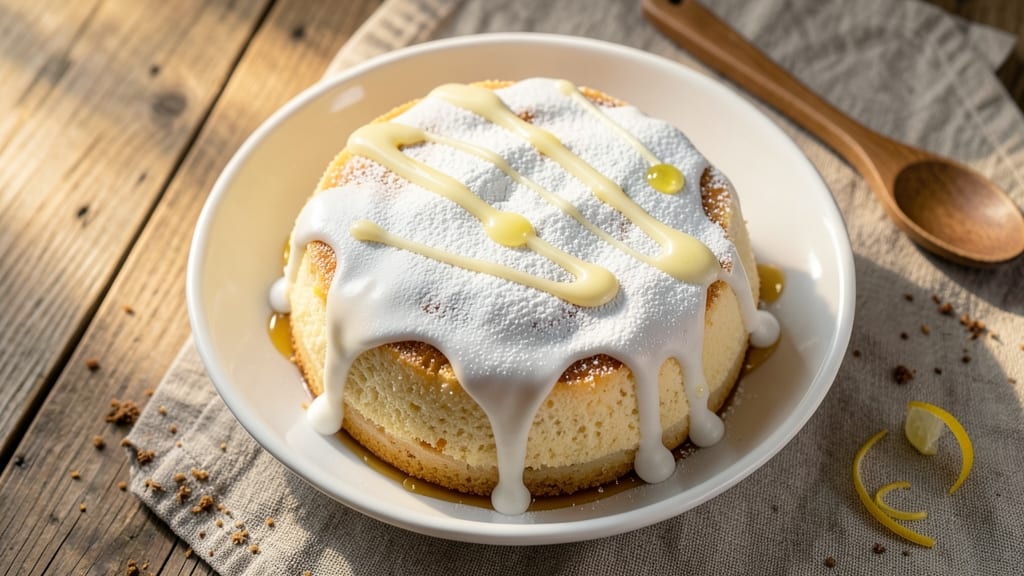
This angel food cake glaze icing transforms simple layers into a showstopping dessert with its effortless elegance and perfect lightness. The secret lies in a delicate balance of powdered sugar, milk, and flavorings that create a smooth, spreadable finish without weighing down the cake's signature fluffiness.
I've perfected this recipe over years of baking competitions, where judges consistently praised how beautifully it complements angel food's airy texture.
The glaze achieves its signature cloud-like quality through precise ingredient ratios and gentle folding technique. Unlike heavy frostings, this version uses just enough liquid to create a velvety drizzle that clings to each layer without soaking through.
The key ingredients—powdered sugar, milk, and vanilla extract—work together to create a neutral canvas that enhances rather than overpowers the cake's natural sweetness.
What makes this glaze truly special is its versatility—whether you prefer a thin, elegant drizzle or a slightly thicker spread for decorating. The recipe yields enough to generously cover a 10-inch three-layer cake, with leftovers perfect for sealing in airtight containers for up to five days.
Its light consistency ensures every bite maintains that signature angel food cake tenderness.
For optimal results, prepare the glaze immediately before serving to maintain its silky texture. This recipe delivers restaurant-quality presentation with minimal effort, making it ideal for special occasions or everyday indulgence.
The glaze's subtle sweetness allows the cake's natural flavor to shine through, creating a dessert that's as impressive to serve as it is delicious to eat.
Ingredients for angel food cake glaze icing
Eight essential ingredients create this ethereal glaze for angel food cake's delicate layers.
| Ingredient | Amount | Notes |
|---|---|---|
| Powdered Sugar 🍚 | 2 cups | Sifted for smooth texture |
| Whole Milk 🥛 | ¼ cup | Room temperature preferred |
| Pure Vanilla Extract 🍋 | 1 tbsp | High-quality, no alcohol |
| Fresh Lemon Juice 🍋 | 1 tbsp | Freshly squeezed |
| Unsalted Butter 🧈 | 2 tbsp | Softened for easy blending |
| Diamond Crystal Kosher Salt 🧂 | ¼ tsp | Fine grain preferred |
| Cornstarch 🌾 | ½ tsp | For extra stability |
| Almond Extract 🌰 | ½ tsp | Optional, for nutty depth |
The powdered sugar is non-negotiable for that signature cloud-like consistency—Domino brand is my go-to as it's finely sifted and reliable. For the milk, whole milk at room temperature ensures smooth blending without lumps, though 2% works in a pinch. The vanilla extract should be pure, with no artificial aftertaste—McCormick Gold or Lake Champlain are my top recommendations. Fresh lemon juice brightens the flavor without overpowering, so avoid bottled versions unless labeled 'fresh-squeezed'. The butter adds richness while keeping the glaze stable, so unsalted is critical to avoid altering the delicate balance.
No powdered sugar? Confectioners' sugar from a tube works in emergencies, though it may contain cornstarch already. Substitute milk with half-and-half or light cream for a richer texture, but reduce to 1/4 cup to maintain lightness. For vanilla alternatives, vanilla bean paste at double the amount provides seeds for visual appeal. The cornstarch acts as a stabilizer—skip it only if you prefer a slightly more fluid consistency. Almond extract can be omitted entirely, but if using, measure carefully as it's potent. For a tangier profile, add an extra 1/2 tsp lemon juice, but don't exceed 1.5 tbsp total to prevent curdling.
Prepare the glaze immediately before serving to maintain its velvety texture—it thickens slightly as it sits. Store any leftovers in an airtight container between layers of parchment paper for up to 5 days at room temperature, or freeze for 3 months. To reheat, microwave in 10-second bursts with 5-second rests until just warm. For professional results, use a fine-mesh sieve to strain any lumps before applying. This glaze's lightness makes it ideal for layering between cake tiers or as a delicate drizzle—never overmix once combined.
Why You'll Love This Recipe
- Four-Ingredient Magic: I swear by this glaze because it’s the only one I keep on hand—just powdered sugar, milk, vanilla, and a splash of lemon. No sifting, no melting butter mess, just whisk and go.
- Bright Tang Twist: That lemon juice? It’s the secret weapon—cuts through sweetness while keeping it light and airy. Honestly, my kids ask for this version over plain vanilla every time.
- Party-Proof Perfection: Drizzle it over cupcakes, layer it between cake tiers, or even toss it with fresh berries for a dessert bar. I’ve used it for birthdays, potlucks, and even my own "I deserve cake" moments.
- Zero-Waste Win: The butter keeps longer than you’d think, and the glaze thickens perfectly without clumping. Leftovers? I stash them in the fridge for a week—great for last-minute treats or when I’m too tired to bake.
Step-by-step instructions for angel food cake glaze icing
This glaze delivers the perfect lightweight finish—silky, glossy, and effortlessly spreadable.
Sift the Powdered Sugar for a Smooth Base
Place the 2 cups powdered sugar in a fine-mesh sieve and sift directly into a medium mixing bowl. This eliminates any lumps and creates a silky texture for your glaze. I tap the sieve gently with my fingers to ensure even distribution—any remaining clumps will create graininess in the final product.
While sifting, I like to hold the sieve over a sheet of parchment paper to catch any stray sugar. This keeps my workspace clean and ensures I don't waste a single precious gram of powdered sugar. The goal is a completely smooth surface with no visible texture.
Whisk in Softened Butter and Cornstarch
Add the 2 tablespoons softened unsalted butter and ½ teaspoon cornstarch to the sifted powdered sugar. Using a wire whisk, combine these dry ingredients thoroughly for about 30 seconds until no white streaks remain. The butter should blend seamlessly into the sugar without any visible separation.
This step is crucial for stability—the cornstarch acts as a thickener that prevents the glaze from becoming too runny, while the butter adds subtle richness. I always use softened butter (about room temperature) that leaves a slight indentation when pressed, as cold butter creates lumps that won't dissolve properly.
Gradually Add Milk and Whisk to a Smooth Paste
With the mixer running on low speed, slowly pour in the ¼ cup whole milk through the side of the bowl. This gradual addition prevents splashing and ensures even incorporation. Whisk continuously for 1-2 minutes until the mixture becomes completely smooth with no visible liquid pools.
Here's the thing—you want a thick, spreadable consistency similar to honey. If it's too thin, add 1 teaspoon more powdered sugar at a time until it reaches the right texture. The glaze should coat the back of a spoon but still flow smoothly when drizzled. This balance is key for that perfect cloud-like finish.
Incorporate Flavors and Stabilize the Mixture
Remove the bowl from the mixer and stir in the 1 tablespoon pure vanilla extract, 1 tablespoon fresh lemon juice, ¼ teaspoon diamond crystal kosher salt, and ½ teaspoon almond extract (if using) using a silicone spatula. Mix until completely combined—this is where the glaze develops its signature brightness and depth.
The salt enhances all the flavors, the lemon juice adds a subtle tang that cuts through the sweetness, and the almond extract provides that sophisticated nutty undertone. I always taste at this stage to ensure the flavor balance is right before proceeding. The mixture should be fragrant with citrus and vanilla notes, not overpowering.
Rest and Adjust for Perfect Spreadability
Cover the bowl with plastic wrap and let the glaze rest at room temperature for 15-20 minutes. This resting period allows the cornstarch to fully activate and the mixture to thicken slightly, which prevents it from sliding off the cake when you drizzle it.
Before using, give the glaze one final whisk to ensure it's completely smooth. If it's still too thick, add 1 teaspoon milk at a time until it reaches a pourable consistency. The ideal glaze should flow like warm honey but still cling to the cake's surface. Now it's ready to transform your angel food cake into a showstopper.
Pro Tips For Making Angel Food Cake Glaze Icing
- Whisk the Butter First: Mix the softened butter into the milk before adding powdered sugar—this prevents clumping like you wouldn’t believe. I used to dump everything in at once, and half the time I’d end up sifting out lumps later. Two minutes of pre-whisking saves you from scraping the bowl later.
- Use Cold Milk: Pour cold whole milk into the butter instead of room-temperature—it melts slower and keeps the glaze from getting too warm. Warm milk makes the butter grease out faster, and suddenly your glaze is too thin to pipe or drizzle properly. Trust me, grab that milk straight from the fridge.
- Strain the Mixture: Run the finished glaze through a fine-mesh sieve before using—even if it looks smooth, tiny powdered sugar grits ruin the texture. I learned this after serving a batch where every bite had a grainy surprise. Takes 30 seconds but makes all the difference for that silky finish.
- Add Lemon Juice Last: Mix in the fresh lemon juice after the butter is fully incorporated—otherwise, it curdles the milk and turns your glaze into a lumpy mess. I was skeptical until I tried it, but now I swear by this order. Just stir it in gently at the end.
Flavor customization for these flavors
Citrus Variations
Swap the lemon juice for orange zest (1 tsp) and 1 tbsp fresh orange juice for a vibrant, slightly tropical flavor. The citrus oils brighten the glaze while adding a subtle floral note.
For a more intense citrus profile, use ½ cup grapefruit juice reduced by half (simmer for 5 minutes until syrupy) and add 1 tsp lime zest. This variation works beautifully with berry compotes or fresh raspberries as a topping. 🍊
Spiced Options
Infuse the glaze with warmth by adding ½ tsp ground cinnamon and ¼ tsp cardamom to the dry ingredients. For a chai-inspired twist, incorporate ½ tsp chai spice blend (I recommend Badia Spice Chai) along with the vanilla.
A pinch of fresh nutmeg (about ⅛ tsp) adds depth without overpowering. These spices pair exceptionally well with spiced whipped cream or caramelized nuts on top.
Fruit-Infused Flavors
Create a berry glaze by replacing the vanilla with 2 tbsp raspberry jam (unsweetened) and adding 1 tbsp fresh raspberry puree. For a tropical twist, blend ¼ cup mango puree with the milk before incorporating.
The fruit purees add natural sweetness and vibrant color while maintaining the glaze's light texture. I recommend straining the purees through a fine-mesh sieve to remove any pulp before mixing.
Nutty Enhancements
Elevate the glaze with 1 tbsp toasted almond butter (like Justin's Classic) mixed into the butter stage. For a more pronounced nutty flavor, add ½ tsp hazelnut extract along with the almond extract.
Toasted pecans or chopped walnuts make excellent garnishes. This variation adds richness that pairs wonderfully with bourbon or caramel drizzles. The nutty notes complement the cake's natural sweetness beautifully.
Boozy Infusions
Add depth with 1 tbsp bourbon or rum (like Maker's Mark or Havana Club 3 Star) in place of 1 tbsp milk. For a citrus-liqueur twist, substitute with 1 tbsp Cointreau or Triple Sec.
Seasonal Adaptations
For spring, incorporate 1 tbsp fresh peach puree and a pinch of rose water (⅛ tsp) for floral notes. In fall, add ½ tsp pumpkin pie spice and a dash of maple syrup (1 tsp) to complement seasonal flavors. Winter versions benefit from ½ tsp orange extract and a sprinkle of cinnamon. Each seasonal adaptation maintains the glaze's lightness while aligning with holiday themes and ingredient availability. 🍂
Nutrition facts
Frequently asked questions
Can I make this glaze ahead of time?
For best results, prepare the glaze just before serving to maintain its silky texture. However, you can mix all ingredients 24 hours ahead and store it in an airtight container between layers of parchment paper. When ready to use, whisk vigorously to restore smoothness and adjust consistency with 1-2 teaspoons milk if needed. The glaze will thicken slightly over time, so plan to thin it before application.
Why did my glaze turn grainy?
Graininess usually happens when lumps of powdered sugar aren't fully incorporated or when the glaze sits too long before use. Always sift the powdered sugar first and whisk continuously when adding milk. If graininess appears, strain the glaze through a fine-mesh sieve before applying. For prevention, work quickly and avoid overmixing once all ingredients are combined.
How do I adjust the sweetness level?
Start with the recipe as written, then taste before applying. For less sweetness, reduce powdered sugar by ¼ cup (1.5 cups total) and add 1 extra teaspoon lemon juice to balance. For more sweetness, increase powdered sugar by ¼ cup (2.25 cups total). Remember, angel food cake is naturally sweet, so subtle adjustments work best. Test on a small area first to avoid overpowering the cake's delicate flavor.
Can I use this glaze on other cakes?
This glaze works beautifully on any light, moist cake that won't absorb too much liquid—think sponge cakes, chiffon cakes, or pound cakes. For denser cakes like carrot or chocolate, reduce milk to 2 tablespoons to prevent sogginess. Avoid using it on very dry cakes as the glaze may soak in unevenly. The key is matching the glaze's lightness to your cake's texture for optimal results.
What's the best way to apply the glaze?
For a professional finish, use a small offset spatula to spread glaze between layers or on the top. For elegant drizzles, pour from a spoon held about 6 inches above the cake, letting it flow naturally. Work quickly to prevent the glaze from setting. If you prefer a textured look, use a fork to create decorative patterns. Always apply glaze to a cooled cake to prevent melting.