
Desserts
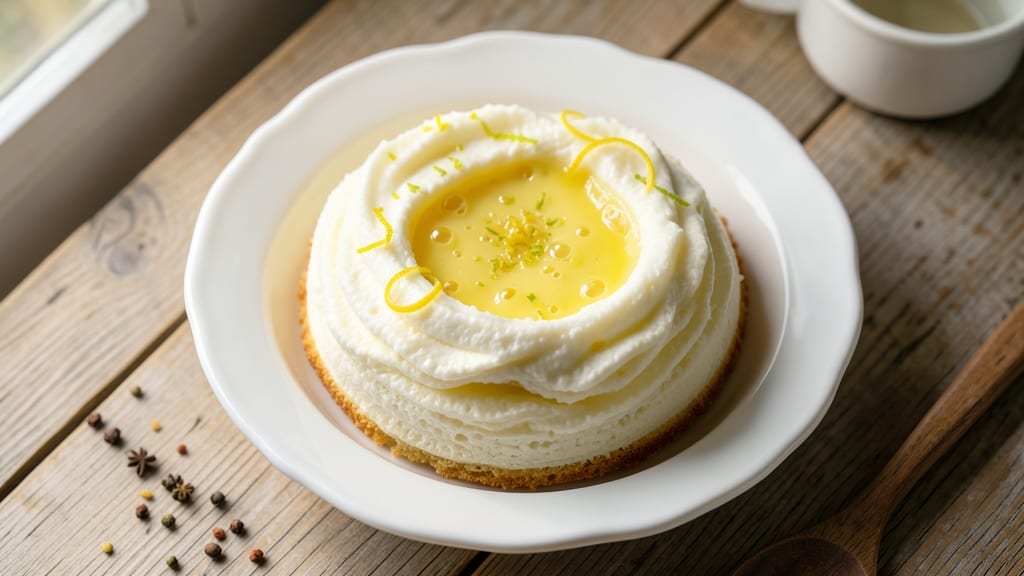
This angel food cake with lemon filling recipe delivers the perfect balance of ethereal lightness and bright citrus flavor. The secret lies in properly whipped egg whites and a delicate lemon filling that brightens every bite.
I've perfected this combination after years of baking, ensuring the cake stays airy while the filling remains tangy without overpowering the delicate crumb.
The cake itself requires only six ingredients and no butter, making it naturally lighter than traditional cakes. Whipping the egg whites to stiff peaks is critical—this creates the signature fluffy texture that makes angel food cake so special.
The lemon filling, whether made as a simple syrup or rich curd, adds a refreshing contrast that transforms this dessert into something truly memorable.
What you'll achieve is a cake that's impossibly light yet sturdy enough to hold layers of lemon filling without collapsing. Each slice offers a harmonious blend of tender crumb and vibrant citrus, creating a dessert that's both elegant and satisfying.
The filling can be adjusted to your preference—more tart for those who love zesty flavors or slightly sweeter for a more balanced taste.
Perfect for special occasions or a bright afternoon treat, this recipe delivers restaurant-quality results at home. The process may require patience—especially when cooling the cake upside down—but the reward is a dessert that feels like a masterpiece. Let's get started on creating this citrusy showstopper.
Ingredients for angel food cake and lemon filling
Six essential ingredients create this light-as-air cake with vibrant lemon filling.
| Ingredient | Amount | Notes |
|---|---|---|
| Large Egg Whites 🥚 | 12 whole | Room temperature preferred |
| Granulated Sugar 🍬 | 1 ½ cups | Superfine preferred for smoothness |
| Cream of Tartar 🧂 | 1 ½ tsp | Stabilizes egg whites |
| All-Purpose Flour 🌾 | 1 ½ tbsp | Sifted for light texture |
| Fresh Lemon Juice 🍋 | ½ cup | Strain seeds for smooth filling |
| Granulated Sugar 🍬 | 1 cup | For lemon filling |
| Water 💧 | ¼ cup | For lemon syrup |
| Cornstarch 🌾 | 2 tbsp | Thickens filling |
| Unsalted Butter 🧈 | 2 tbsp | Optional for filling richness |
| Vanilla Extract 🌸 | ½ tsp | Pure vanilla preferred |
| Salt 🧂 | ¼ tsp | Fine sea salt |
The egg whites are non-negotiable—room temperature makes all the difference. Store-bought whites work, but fresh are ideal for maximum volume. Cream of tartar is crucial for stabilization; skip it at your peril. For the flour, King Arthur or Gold Medal brands sift beautifully. The lemons should be bright yellow, not green—Florida lemons are my go-to for consistent juice yield. If you can't find fresh, Mott's bottled lemon juice works in a pinch, but strain it thoroughly to remove pulp.
No cream of tartar? White vinegar at half the amount does the trick. Short on butter for the filling? Coconut oil melts beautifully, though it adds a slight coconut note. The lemon filling can be made ahead—it actually tastes better after flavors meld. For a richer version, add 1 oz cream cheese to the filling mixture. If your cake collapses during cooling, it's likely under-whipped egg whites—next time, whip to stiff peaks that hold their shape when you lift the beaters.
Store the cake in an airtight container at room temperature for 2-3 days—it stays fresh surprisingly well. The filling can be refrigerated for 5 days or frozen for 2 months. For serving, slice with a serrated knife dipped in hot water to prevent crumbling. Leftovers? Reheat filling gently in the microwave and layer back into crumbs—still delicious. The cake itself is best eaten fresh, but the filling keeps beautifully for future desserts.
Why You'll Love This Recipe
- No Mixer Needed: I swear by this trick—whipping those egg whites by hand (or with a whisk) gives them that perfect, airy lift. No stand mixer? No problem. Just elbow grease and patience—it’s oddly satisfying, like folding a cloud into cake.
- Zesty, Not Overpowering: That fresh lemon juice in the filling cuts through the sweetness just right. Honestly, it’s the kind of bright, tangy flavor that makes me reach for seconds—without tasting like a dessert that’s trying too hard.
- Weekend Baking Win: This is my go-to for brunch or a last-minute dessert. The cake’s light texture pairs with the filling like a match made in heaven, and it’s the kind of dish that makes you look like a baking pro without the fuss.
- Leftovers? Better Than New: Between us, the cake keeps beautifully for days—if it lasts that long. The filling’s citrusy punch actually gets better as it sits, so you’re left with slices that taste like a fresh-baked treat, not yesterday’s leftovers.
Step-by-step instructions for angel food cake with lemon filling
This method delivers a perfectly airy cake with a bright, tangy lemon filling that stays moist for days.
Prepare the Cake Batter
Begin by separating the 12 whole large egg whites into a spotless, grease-free mixing bowl. Room-temperature eggs whip better, so if they're cold, let them sit at room temperature for 30 minutes before starting. Add the 1.5 cups granulated sugar and 1.5 teaspoons cream of tartar to the bowl—this acid stabilizes the egg whites for maximum volume.
Using a stand mixer fitted with the whisk attachment, beat the egg whites on low speed for 1 minute to combine. Gradually increase the speed to medium-high and beat for 5 minutes until soft peaks form. You'll notice the mixture thickens and holds its shape when the whisk is lifted. Stop beating and add the 1.5 tablespoons all-purpose flour—sifted for best results—then return to beating until stiff, glossy peaks form, about 2 more minutes.
Bake the Angel Food Cake
Preheat your oven to 350°F and position the rack in the lower third of the oven. Grease a 10-inch tube pan with nonstick spray or line it with parchment paper, ensuring the paper touches the sides to prevent sticking. Gently fold the batter into the prepared pan using a spatula, tapping the pan lightly on the counter to release any air bubbles.
Bake for 30-35 minutes until the top springs back when touched lightly and a toothpick inserted in the center comes out clean. The cake should pull away from the sides of the pan cleanly. Immediately invert the cake onto a wire rack and let it cool completely—this prevents the cake from absorbing moisture and collapsing.
Make the Lemon Filling
In a medium saucepan, combine the 0.5 cup fresh lemon juice, 1 cup granulated sugar, 0.25 cup water, 2 tablespoons cornstarch, 2 tablespoons unsalted butter, 0.5 teaspoon vanilla extract, and 0.25 teaspoon salt. Stir over medium heat until the mixture thickens and begins to bubble, about 5-7 minutes. The filling should coat the back of a spoon and have a glossy finish.
Remove from heat and let it cool to room temperature, stirring occasionally to prevent a skin from forming. The filling should thicken further as it cools—if it's too thin, return it to low heat for 1-2 minutes to thicken slightly. Strain the filling through a fine-mesh sieve to remove any seeds or lumps for a silky texture.
Assemble the Cake
Once the cake is completely cooled, use a long serrated knife to cut it horizontally into two even layers. Place the bottom layer on a serving plate and spread half of the lemon filling evenly over the top. Replace the top layer and spread the remaining filling over it, ensuring it reaches the edges for a professional finish.
Serve immediately or refrigerate for up to 4 hours before serving. The cake's light texture pairs perfectly with the bright, tangy lemon filling, creating a harmonious balance of sweet and citrusy flavors. For best results, enjoy within 2 days for optimal moisture and texture.
Pro Tips For Making Angel Food Cake And Lemon Filling
- Whip Whites Slowly: Start your egg whites on low speed and gradually increase to medium-high—rushing this step traps air bubbles and weakens structure. I used to blast them at full speed and ended up with a cake that collapsed like a sad soufflé.
- Sift Flour Twice: Angel food cake relies on lightness, so sift that flour before folding it in and again right before adding it to the bowl. This prevents lumps and keeps the batter airy—trust me, your cake will thank you.
- Don’t Overmix Lemon Filling: The lemon filling should look like a thick, glossy syrup, not a batter. Overmixing adds air, which makes it watery and less stable when layered. Stir just until the sugar dissolves—about 3 minutes max.
- Cool Cake Inverted: Flip the cake onto a wire rack immediately after baking—no waiting for it to cool in the pan. This prevents sogginess and helps it set properly. (Yes, it’ll look like a circus act at first, but it’s worth it.)
Best sauces and condiments for this angel food cake and lemon filling
Classic Lemon Curd
Swap the simple syrup filling for a rich lemon curd by simmering 4 egg yolks, ½ cup sugar, ⅓ cup lemon juice, and 2 tbsp butter over a double boiler until thickened.
Strain through a fine-mesh sieve for a velvety texture. This version adds depth and richness that pairs beautifully with the cake's lightness. 🍋
Honey-Lemon Glaze
For a drizzle-worthy finish, mix ½ cup honey, 2 tbsp lemon juice, and 1 tbsp water in a small saucepan. Simmer for 3-4 minutes until slightly thickened, then strain and cool. Drizzle over the assembled cake just before serving for a glossy, sweet-tart contrast.
Berry Compote
Balance the brightness with a strawberry-rhubarb compote made from 1 cup mixed berries, 2 tbsp sugar, and 1 tsp lemon zest. Simmer for 5 minutes until jammy, then chill.
Spread between layers or serve on the side for a fruity twist. The acidity of the compote complements the lemon filling perfectly. 🍓
Cream Cheese Frosting
For a tangy, creamy alternative, whip 8 oz cream cheese, ½ cup butter, 2 cups powdered sugar, and 1 tsp lemon zest until smooth. Spread between cake layers and top with extra zest. This frosting adds a luxurious texture that contrasts with the cake's airiness. 🧈
Whipped Mascarpone
Lighten up the filling with whipped mascarpone—fold 1 cup mascarpone, ½ cup heavy cream, and 2 tbsp powdered sugar until fluffy. Fold in 1 tbsp lemon curd for brightness.
This option keeps the cake light while adding a silky, creamy element. Perfect for those who prefer a less sweet filling. 🥛
Spiced Orange Syrup
Infuse the filling with warmth by adding 1 strip orange zest and 2 cinnamon sticks to the simple syrup while simmering. Strain before using to remove solids. The cinnamon and orange complement the lemon beautifully, adding a cozy, aromatic depth to each bite. 🍊
Nutrition facts
Frequently asked questions
Why does my angel food cake collapse after baking?
The most common causes are under-whipped egg whites or opening the oven door too soon. Whip the egg whites to stiff peaks that hold their shape when you lift the beaters—this creates the airy structure. Also, avoid opening the oven during baking, as the sudden temperature change can cause the cake to sink. Let it cool completely upside down before removing from the pan.
Can I make this cake without cream of tartar?
Yes! Substitute with ½ teaspoon white vinegar or ½ teaspoon lemon juice per 1.5 teaspoons cream of tartar. These acids help stabilize the egg whites, though cream of tartar is the most effective. If you skip it entirely, your cake may not rise as high or hold its shape as well.
How do I store leftover lemon filling?
Transfer the cooled filling to an airtight container and refrigerate for up to 5 days. For longer storage, freeze it for 2 months—thaw overnight in the fridge before using. To reheat, warm gently in a saucepan over low heat or microwave in 20-second intervals, stirring between each until smooth.
What’s the best way to slice the cake without crumbs?
Use a serrated knife dipped in hot water and wiped clean between slices. This keeps the blade sharp and prevents tearing. For extra precision, chill the cake for 30 minutes before slicing—it’ll hold together better. Serve immediately after cutting to enjoy the perfect texture.
Can I substitute bottled lemon juice for fresh?
Yes, but strain it thoroughly to remove seeds and pulp, which can make the filling grainy. For best results, use Mott’s bottled lemon juice (unsweetened) and add a pinch of salt to balance the flavor. Fresh juice yields brighter, more vibrant filling, but bottled works in a pinch—just adjust sweetness to taste.