
Desserts
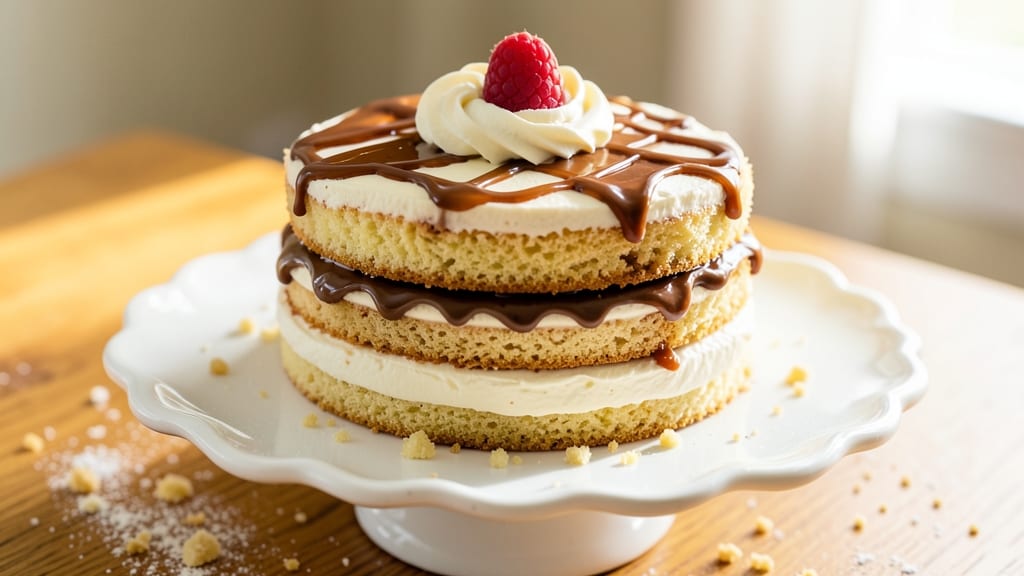
This Amish yellow cake recipe delivers the tender, buttery layers that made it a Southern staple—with a secret moisture trick that keeps it perfectly soft for days. 💛 The Amish tradition of simple ingredients and careful layering creates a cake so rich and flavorful, it feels like a hug in every bite.
What sets this recipe apart is the balance of butter and buttermilk, which creates that signature moist texture without needing special equipment.
The beauty of this classic recipe lies in its simplicity: just a few pantry staples come together to create layers that are light yet substantial.
I’ve baked this version countless times for family gatherings, and the secret to its success is baking each layer just until a toothpick comes out clean—no overmixing, no shortcuts. The result? A cake that stays moist even after cooling, perfect for slicing or frosting with vanilla buttercream.
What makes this Amish yellow cake truly special is how it brings people together—whether for a Sunday supper or a holiday dessert table. The buttery vanilla flavor is universally loved, and the tender crumb makes it ideal for layering with cream cheese or chocolate frosting.
This isn’t just a recipe; it’s a tradition that’s been passed down for generations, now simplified for your kitchen.
Ready to bake? The instructions walk you through mixing the batter, baking the layers, and cooling properly—all while keeping that signature Amish simplicity. Let’s get started on a cake that’s as comforting as it is delicious.
Ingredients for amish yellow cake
Nine simple ingredients create layers so tender they stay moist for days.
| Ingredient | Amount | Notes |
|---|---|---|
| All-Purpose Flour 🌾 | 2 ½ cups | Sifted for light texture |
| Unsalted Butter 🧈 | 1 cup | Room temperature for creaming |
| Granulated Sugar 🍚 | 1 ½ cups | White or light brown |
| Buttermilk 🥛 | 1 cup | Full-fat for moisture |
| Large Eggs 🥚 | 2 whole | Room temperature |
| Pure Vanilla Extract 🍯 | 2 tsp | High-quality for flavor |
| Baking Powder 🌶️ | 2 tsp | Diamond Crystal preferred |
| Salt 🧂 | ½ tsp | Fine sea salt |
| Vegetable Oil 🫒 | ½ cup | For extra moisture |
| Whole Milk 🥛 | ¼ cup | Warmed slightly |
The butter matters most here—unsalted is a must—and room temperature is critical. Crisco or Land O'Lakes are reliable brands, but I always grab the European-style butter from Whole Foods for that extra richness. The buttermilk should be full-fat (the good stuff, not the low-fat kind) for that signature Amish moisture. If you're short on time, substitute with 1 cup milk plus 1 tbsp vinegar or lemon juice, but let it sit for 5 minutes to curdle. For the flour, King Arthur or Gold Medal brands are ideal—they're sifted and consistent, which keeps your layers light.
No buttermilk? Milk plus vinegar works perfectly, but don't skip the waiting time—it needs to thicken. Running out of vanilla extract? Vanilla bean paste at half the amount gives you those little specks of flavor. The baking powder is non-negotiable—Diamond Crystal has more lift than double-acting brands. For the oil, any neutral vegetable oil works, but canola or avocado oil are my go-tos. The milk? Whole milk is best, but 2% in a pinch won't ruin the cake. And if you're worried about overmixing, trust me—mix just until combined. No need to beat it to death.
This batter keeps for 2 days in the fridge if you're prepping ahead, but bake it fresh for best results. The layers stay moist for 3-4 days when wrapped tightly in plastic, making it perfect for holiday prep. For freezing, bake the layers first, then wrap individually with parchment and plastic. They'll keep for up to 3 months—just thaw at room temperature before frosting. Pro tip: Slice with a serrated knife for clean layers every time.
Why You'll Love This Recipe
- Fewer Ingredients, Bigger Payoff: I swear by this recipe because it’s that simple—just butter, sugar, flour, buttermilk, and eggs. No fancy add-ins, no last-minute store runs. The buttermilk alone gives it that signature moistness without a single drop of oil.
- Buttermilk Magic: That tangy richness from the buttermilk? It’s the secret weapon. The cake stays tender for days, and the flavor? Honestly, it’s the kind of simple sweetness that makes you want to bake it just to eat it plain—no frosting needed.
- Birthday to Brunch: Serve it at a family gathering, slice it for a potluck, or pack it for a picnic. It holds up like a champ, whether you’re frosting it with cream cheese or serving it warm with a drizzle of honey. (Yes, even on a Tuesday.)
- Budget-Friendly Staples: You’re already using pantry basics, so this cake won’t break the bank. A single batch feeds six, and leftovers? They disappear faster than I can say “seconds, please.” My wallet—and my guests—thank me every time.
Step-by-step instructions for Amish yellow cake
Master the secret to tender, moist layers that stay fresh for days.
👨🍳 Step 1: Cream Butter and Sugar to Lighten the Mixture
In a stand mixer fitted with the paddle attachment, beat the room temperature unsalted butter and 1.5 cups granulated sugar on medium speed for 3-4 minutes. You're looking for a pale, fluffy mixture that nearly doubles in volume—this incorporates air that creates that signature Amish cake lightness.
I press down on the butter mixture with a spatula occasionally to ensure it's fully creamed. This step is critical because under-creaming leads to dense layers. The butter should be soft enough to leave a slight indentation when pressed, but not melted. If it's too warm, chill the bowl for 10 minutes before proceeding.
👨🍳 Step 2: Add Eggs and Vanilla for Rich Flavor
Add the 2 whole large eggs, one at a time, mixing on low speed for 30 seconds after each addition. Scrape down the sides of the bowl to ensure everything incorporates. Then add the 2 teaspoons pure vanilla extract and mix for 10 seconds until fully combined.
Here's the thing—room temperature eggs blend more smoothly and create a lighter batter. If your eggs are straight from the fridge, let them sit in warm water for 5 minutes first. The vanilla extract should be high-quality; imitation won't give you that authentic Amish flavor profile.
👨🍳 Step 3: Alternate Dry and Wet Ingredients for Perfect Texture
In a separate bowl, whisk together the 2.5 cups sifted all-purpose flour, 2 teaspoons baking powder, and 0.5 teaspoon salt. With the mixer on low speed, add one-third of the dry ingredients, then the 1 cup buttermilk, then another third of dry ingredients, and finally the remaining dry ingredients. Finish by adding the 0.5 cup vegetable oil and 0.25 cup warmed whole milk. Mix just until combined—you should still see small flour streaks.
This alternating method creates a tender crumb by preventing gluten development. Overmixing is the enemy here—it makes the cake tough. I use a silicone spatula to gently fold the last few times to maintain that delicate texture. The batter should be thick but pourable.
🔥 Step 4: Bake in Prepared Pans for Even Rise
Preheat your oven to 350°F. Generously grease two 9-inch round cake pans with butter and line the bottoms with parchment paper. Divide the batter evenly between the pans and smooth the tops. Bake for 25-30 minutes until a toothpick inserted in the center comes out clean and the tops spring back when touched.
Don't overbake—this is where many cakes go wrong. The secret moisture trick comes from the buttermilk and vegetable oil combination, which keeps the cake tender even when slightly underbaked. If the tops brown too quickly, tent the pans with foil after 15 minutes of baking.
⏰ Step 5: Cool and Layer for Maximum Moisture
Remove the cakes from the oven and let them cool in their pans for 10 minutes. Then transfer to a wire rack to cool completely. The key to maintaining moisture is to layer the cakes while still slightly warm—this helps any residual steam redistribute evenly throughout the layers.
For the ultimate Amish yellow cake experience, I recommend brushing the cooled layers with a simple syrup made by heating 0.5 cup sugar with 0.5 cup water until dissolved, then cooling. This extra step ensures your cake stays moist for days, whether you're serving it fresh or storing it for later.
Pro Tips For Making Amish Yellow Cake
- MEASURE BUTTER COLD: Take the butter straight from the fridge—no softening, no exceptions. I learned this the hard way after my first batch turned out greasy instead of tender. The butter should hold its shape when pressed, or your cake will fight you every step of the way.
- WHISK EGGS ROOM TEMP: Let the eggs sit out for 30 minutes before cracking them. Cold eggs mix unevenly and can leave pockets of dense batter—your cake will rise unevenly or sink in the middle. Trust me, this small step makes a real difference in texture.
- STOP WHEN SPRINGY: Overmixing is the enemy. The moment the batter clumps together and springs back when you press your finger into it, stop mixing. I used to think more mixing meant better cake, but now I know it’s the fast track to a tough, dry crumb.
- USE ACTIVE DRY YEAST: If your recipe calls for baking powder or baking soda, double-check the expiration date. Old leavening agents won’t lift your cake—just waste your time. I keep a fresh stash and test it every few months by mixing with warm water; if it doesn’t foam in 5 minutes, toss it.
Storing and reheating your leftovers
Room-Temp Storage
Store your fully assembled cake in an airtight container at room temperature for up to 3 days. The buttermilk and oil combination keeps it moist, but plastic wrap directly on the cake can make it soggy.
I use a clear glass cake carrier from Pyrex—it preserves freshness while letting you admire those golden layers. 💛
For single layers, wrap each one individually in plastic wrap and place them in a ziplock bag to prevent drying. This works especially well if you're prepping ahead for a party.
The key is to keep the layers separated until ready to frost—this prevents them from sticking together and becoming dense.
Fridge Preservation
If you're not serving the cake within 3 days, transfer it to the fridge for longer storage. The cold helps maintain moisture for up to 5 days, though the texture may become slightly firmer.
To serve, let it sit at room temperature for 30 minutes before slicing—this restores the tender crumb. 🥶
For frosting separately, store the cake layers in the fridge and keep the frosting in a separate airtight container. Reassemble just before serving to avoid a soggy bottom. I like to brush the cooled layers with simple syrup before frosting to revive any moisture lost during refrigeration.
Freezer-Friendly Layers
Bake the layers first, then wrap each one tightly in plastic wrap followed by aluminum foil for a moisture barrier. Place them in a freezer bag and label with the date. These will keep for up to 3 months without losing their signature tenderness. 🧊
To thaw, remove the layers from the freezer and let them sit at room temperature for 2-3 hours. For a quicker method, place the wrapped layers in the fridge overnight.
Once thawed, you can frost and serve as usual. The buttermilk's fat content prevents freezer burn, so your cake will taste almost as fresh as the day you baked it.
Reheating Tips
If your cake has dried out slightly during storage, revive it by placing the entire cake in a 350°F oven for 5-10 minutes. This gentle warmth restores moisture without overcooking the layers.
For a microwave fix, cover the cake with a damp paper towel and heat in 10-second bursts on 50% power until warmed through. 🔥
Avoid reheating frosted cakes—the frosting can melt unevenly. Instead, slice the cake first, then warm individual portions. If you're serving with buttercream, add it fresh after reheating to maintain that creamy texture.
The secret to perfect reheating is patience: let the cake sit for 2 minutes after heating to redistribute any moisture evenly.
Nutrition facts
Frequently asked questions
Why does Amish yellow cake turn out dry?
Overmixing the batter develops gluten, making the cake tough and dry. Mix just until combined—you should still see small flour streaks. Also, check your baking time: the cake is done when a toothpick comes out clean, not when it's golden brown. The buttermilk and oil keep it moist, but overbaking steals that tenderness.
Can I make this cake without buttermilk?
Yes! Mix 1 cup milk with 1 tablespoon vinegar or lemon juice, then let it sit for 5 minutes to curdle. This mimics buttermilk's acidity and moisture. For extra richness, use whole milk—it creates that signature Amish texture. The batter will be slightly thinner, but it'll still bake up perfectly.
What's the best frosting for Amish yellow cake?
Classic vanilla buttercream is perfect—its sweetness complements the cake's buttery flavor. For a lighter option, try cream cheese frosting or even a dusting of powdered sugar. The key is to let the cake cool completely before frosting to prevent melting. If you're layering, brush with simple syrup first for extra moisture.
How do I adjust this recipe for a bundt pan?
Reduce the batter by 25%** (about 1.5 cups) and bake at 350°F for 45-55 minutes. A bundt cake bakes longer due to its shape. Grease the pan thoroughly with butter and dust with flour to prevent sticking. The texture will be slightly denser than layers, but still delicious! For testing doneness, insert a toothpick near the center.
Can I use this recipe for cupcakes?
Divide the batter into 12-ounce cupcake liners (about 2 tablespoons each) and bake at 350°F for 18-20 minutes. The baking time is shorter because cupcakes are smaller. For extra moisture, brush the cooled cupcakes with simple syrup before frosting. They're perfect for parties or breakfast treats!