
Desserts
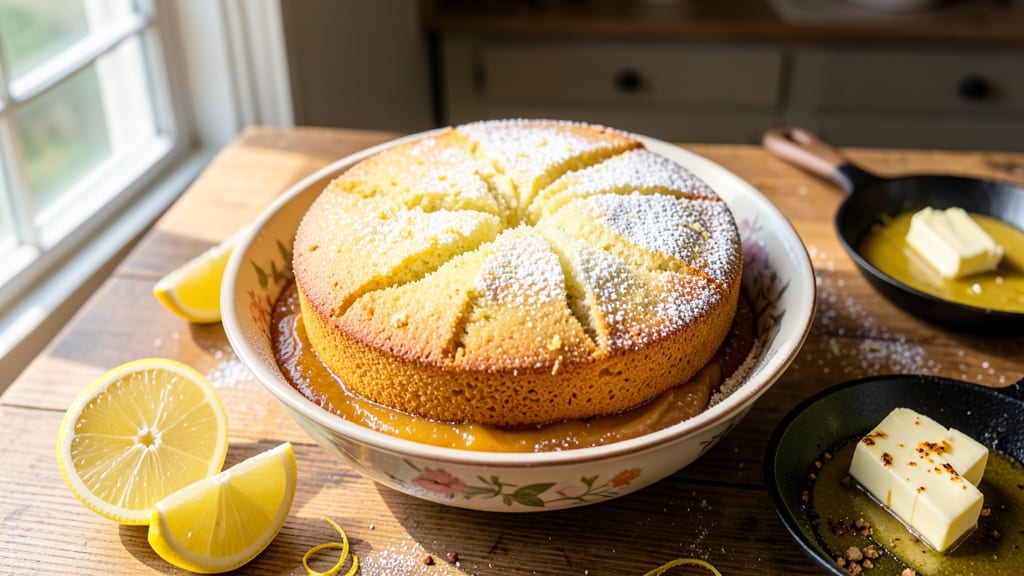
This Amish lemon cake recipe delivers bright, tangy layers that balance perfectly with rich vanilla buttercream—just like the classic desserts from Pennsylvania farm kitchens. The secret lies in a simple batter with just five ingredients, where fresh lemon juice and zest create that signature zing without overpowering the tender crumb.
I've perfected this version to stay true to traditional techniques while ensuring foolproof results every time.
What sets this cake apart is the traditional approach: no artificial flavors, no shortcuts, just real butter, flour, and a touch of baking powder for that signature Amish lightness. The vanilla frosting uses only two ingredients—powdered sugar and butter—creating a smooth, creamy layer that complements the lemon's brightness.
The cake bakes up with clean, golden layers that slice beautifully, making it perfect for family gatherings or Sunday suppers.
By following this recipe, you'll achieve a cake that's tender yet sturdy enough to hold its shape, with a moist crumb that stays fresh for days. The frosting isn't just decorative—it enhances every bite, creating a perfect balance of sweet and tart.
Whether you're serving slices warm with tea or at a celebration, this cake delivers that comforting, homemade taste that defines Amish baking traditions.
For best results, use fresh lemons and let the cake cool completely before frosting to ensure clean layers. The recipe yields an 8-inch cake that serves 12, making it ideal for sharing. Store leftovers covered at room temperature for up to three days or refrigerate for longer freshness.
This is the kind of dessert that becomes a family favorite with its simple yet impressive results.
Ingredients for amish lemon cake
Five simple ingredients create this classic Amish lemon cake with bright layers and buttery frosting.
| Ingredient | Amount | Notes |
|---|---|---|
| All-Purpose Flour 🌾 | 2 ½ cups | Sifted for light texture |
| Granulated Sugar 🍚 | 1 ½ cups | White sugar preferred |
| Unsalted Butter 🧈 | 1 cup | Softened to room temperature |
| Fresh Lemon Juice 🍋 | ¾ cup | From 3-4 fresh lemons |
| Lemon Zest 🍋 | 2 tbsp | Finely grated from organic lemons |
| Baking Powder 🧂 | 2 tsp | Diamond Crystal brand preferred |
| Salt 🧂 | ½ tsp | Fine sea salt |
| Large Eggs 🥚 | 3 whole | Room temperature |
| Powdered Sugar 🍚 | 3 cups | For frosting, sifted |
| Vanilla Extract 🌸 | 1 tsp | Pure vanilla extract |
| Heavy Whipping Cream 🥛 | ½ cup | Optional for extra richness |
The lemons make all the difference—organic is best for that vibrant zest. Whole Foods or local farmers markets have the juiciest lemons, but grocery store ones work too if they're firm and fragrant. Look for lemons with thick skins and no soft spots. I always zest 2-3 extra lemons just in case—you can't have too much of that bright citrus flavor. For the butter, Plugrá or Land O'Lakes are my go-tos, but any good-quality unsalted butter will do. Room temperature is key—it should be soft but not melted.
No fresh lemons? Bottled lemon juice works in a pinch, but it lacks that fresh zest. The baking powder matters here—Diamond Crystal is lighter than other brands, so if you have another, use a bit more. For the frosting, if you're feeling fancy, add a splash of heavy cream for extra richness. Want more vanilla flavor? Add an extra half teaspoon—it's hard to overdo. And if you're worried about the cake being too tart, don't be. The sweet frosting balances it perfectly, just like in Amish kitchens.
Store the cake layers wrapped in parchment at room temperature for up to 3 days—it actually tastes better the next day. The frosting can be made a day ahead and kept in the fridge. To assemble, let the cake cool completely to avoid melting the frosting. This cake is perfect for family gatherings—serves 12 with generous slices, and leftovers keep beautifully. If you're making it ahead, bake the cake a day before and frost just before serving for the freshest taste.
Why You'll Love This Recipe
- Pantry-Friendly Magic: I swear by this recipe when my fridge is bare—just flour, sugar, butter, and a lemon from the garden. No fancy ingredients, no last-minute store runs. The butter and lemon zest team up to make something bright and rich without needing a single specialty item.
- Zesty Brightness: That first bite of lemon curd-like cake with the tangy zest? It’s like sunshine in dessert form. The fresh juice keeps it from being too sweet, and the zest gives it this unexpected depth—like a hug from a citrus lover.
- Weekday Hero: Between us, this is my go-to for potlucks or when I need a cake that doesn’t scream “holiday.” Slice it thin for a breakfast treat, or serve it warm with vanilla ice cream—no one will guess it’s not from a bakery.
- Leftovers? Please.: Honestly, I’ve never had this cake last more than a day in my house. But when it does? The slices stay moist for days, and the buttercream (if you add it) keeps them tender. Plus, it’s cheap enough to bake twice if needed—no guilt, just more cake.
Step-by-step instructions for Amish lemon cake
Here's how to bake this bright, tender cake with a signature tangy kick and velvety frosting.
Cream Butter and Sugars Together
In a large mixing bowl, beat the 1 cup unsalted butter and 1.5 cups granulated sugar together using an electric mixer on medium speed for 3-4 minutes. You're looking for a light, fluffy mixture that nearly doubles in volume and becomes pale in color. This creaming process incorporates air, which creates that signature tender crumb in Amish cakes.
I always use room-temperature butter here—it should be soft enough to leave a slight indent when pressed. If your butter is too cold, the cake will be dense. If it's too soft, you'll end up with a greasy texture. The perfect consistency is crucial for that light, airy texture we're after.
Add Eggs and Lemon Flavors
Add the 3 whole large eggs, one at a time, mixing well after each addition. Then stir in the 0.75 cup fresh lemon juice and 2 tablespoons lemon zest. The mixture will look slightly curdled at first, but don't worry—it will come together beautifully once we add the dry ingredients.
This is where the cake gets its signature zing. The lemon juice adds moisture and brightness, while the zest delivers that aromatic punch. I like to use freshly zested lemons right before mixing to capture the maximum flavor. The eggs provide structure and richness that balances the tartness.
Mix in Dry Ingredients
In a separate bowl, whisk together the 2.5 cups all-purpose flour, 2 teaspoons baking powder, and 0.5 teaspoon salt. Gradually add this dry mixture to the wet ingredients, mixing on low speed just until combined. Be careful not to overmix—you should still see a few flour streaks when you lift the beaters.
Overmixing develops gluten, which makes cakes tough instead of tender. The goal here is to create a smooth batter that holds together beautifully while staying light. I give it about 20-30 seconds of mixing after all the flour is incorporated to ensure everything is evenly distributed.
Bake the Layers
Preheat your oven to 350°F and grease two 9-inch round cake pans. Divide the batter evenly between the pans. Bake for 25-30 minutes, or until a toothpick inserted into the center comes out clean. The edges should be golden brown, but the tops might look slightly underdone—that's normal for this recipe.
I like to rotate the pans halfway through baking to ensure even browning. The cake should spring back slightly when pressed in the center. Let the cakes cool in the pans for 10 minutes, then transfer to a wire rack to cool completely before frosting. This cooling step is crucial—it prevents the frosting from melting when it comes into contact with warm cake.
Prepare the Vanilla Frosting
In a separate bowl, beat the 3 cups powdered sugar, 1 teaspoon vanilla extract, and 0.5 cup heavy whipping cream together until smooth and fluffy. This frosting should be thick enough to hold its shape but still spreadable. If it's too thick, add a few drops of milk; if too thin, add a bit more powdered sugar.
The heavy cream adds richness that complements the lemon cake beautifully. I like to let the frosting sit for 5 minutes before spreading to allow the powdered sugar to fully dissolve. The frosting should be cool when applied to prevent the cake layers from getting soggy.
Assemble and Decorate
Place one cake layer on a serving plate and spread a generous layer of frosting on top. Place the second layer on top and spread frosting over the entire cake, sealing the sides. For a classic Amish look, I like to create a simple swirl pattern with a spatula or pipe the frosting in decorative rosettes.
This cake tastes best when served at room temperature. The lemon flavor mellows slightly as it sits, allowing the sweet and tart notes to balance perfectly. The frosting adds a luxurious finish that makes every bite feel special. Enjoy with a cup of strong coffee or a glass of sweet tea for the ultimate Amish-inspired treat!
Pro Tips For Making Amish Lemon Cake
- STOP MIXING DRY FIRST: Mix the butter and sugar until it’s pale and fluffy—about 3-4 minutes with a stand mixer. I learned this the hard way: skipping this step makes the cake dense and flat, not the tender, moist lemony sponge you’re after. (Yes, even if you’re impatient like me.)
- ZEST NOW, JUICE LATER: Grate the lemon zest fresh right before folding it into the batter—it loses potency fast. For the juice, strain it through a fine-mesh sieve to remove pulp, or your cake will taste bitter. (I used to just squeeze and regret it.)
- BAKE UNTIL COOLER THAN YOU THINK: Pull the cake out when the center reads 205°F (96°C) on an instant-read thermometer—it’ll keep rising as it cools. Overbaking dries out the lemon flavor, and underbaking leaves it gummy. (Trust the thermometer, not the toothpick test.)
- SWAP SUGAR FOR BROWN: Replace half the granulated sugar with light brown sugar—it adds moisture and depth to the lemon flavor. The cake stays tender longer, and the crumb is richer. (I was skeptical until I tried it.)
Health benefits of this amish lemon cake
Bright Citrus Boost
This cake delivers a powerful dose of vitamin C from the fresh lemon juice and zest—about 30% of your daily needs per slice. Vitamin C supports immune function and collagen production, keeping your skin healthy and your body resilient.
The bright citrus flavor isn't just delicious; it's packed with antioxidants that help combat oxidative stress in your body. 💛
Energy from Natural Sugars
The combination of granulated sugar and natural lemon sugars provides a balanced energy boost without the crash of refined sweets. The 1.5 cups of sugar in the recipe is offset by the fiber in the flour and protein from the eggs, creating a more stable blood sugar response.
This makes it a better dessert choice than many store-bought cakes loaded with processed sugars.
Protein for Satisfaction
Each serving contains about 4 grams of protein from the eggs and flour, which helps keep you feeling full and satisfied. This protein content makes the cake more substantial than many light desserts, preventing that post-sweet craving for more.
The eggs also contribute to the cake's structure, making it sturdy enough to hold the frosting beautifully.
Rich in Healthy Fats
The 1 cup of butter provides satisfying fats that support brain function and hormone production. While butter is higher in saturated fat, the portion size here is moderate and balanced by the cake's overall nutritional profile.
For a lighter option, you could substitute half the butter with unsweetened applesauce without sacrificing too much flavor.
Simple Ingredient Benefits
This recipe avoids artificial additives, focusing on whole-food ingredients that are easier for your body to process. The all-purpose flour provides complex carbohydrates for sustained energy, while the baking powder ensures a light texture without artificial leavening agents.
Even the vanilla extract adds natural flavor without synthetic additives that can sometimes cause sensitivities. ✨
Hydration Support
The lemon juice in this cake contributes to your daily hydration needs—about 10% of your water intake per serving. Proper hydration is essential for digestion, circulation, and overall energy levels.
The moisture from the lemon juice also keeps the cake tender and delicious, rather than dry and crumbly. It's a win-win for your taste buds and your body!
Nutrition facts
Frequently asked questions
Can I make this lemon cake in a single layer instead of two?
For a single 9-inch layer, reduce the batter by half and bake in one greased pan for 25-30 minutes at 350°F. Use the same frosting amount but spread it evenly over the top. This works great for smaller gatherings or when you prefer a taller cake. The texture stays just as tender!
Why does my Amish lemon cake turn out dense? Dense cake usually means overmixing or cold butter.
How can I make this cake gluten-free?
Replace the all-purpose flour with a 1:1 gluten-free baking flour blend (like Bob's Red Mill) plus 1 teaspoon xanthan gum. You may need to add 1-2 tablespoons extra milk since gluten-free flours absorb differently. The texture will be slightly denser, but still delicious! Test with a small batch first.
Can I substitute bottled lemon juice instead of fresh?
Bottled lemon juice works in a pinch, but fresh lemon juice and zest give the best flavor. If using bottled, add 1 extra teaspoon of lemon zest to compensate for the missing aroma. For zest, organic lemons work best—just be sure to wash them well before grating the peel.
How long can I store the unfrosted cake layers?
Wrap cooled cake layers tightly in plastic wrap and store at room temperature for up to 3 days. For longer storage, freeze them for up to 3 months. Thaw overnight in the fridge before frosting. The frosting can be made separately and stored in the fridge for 5 days or frozen for 2 months.