
Desserts
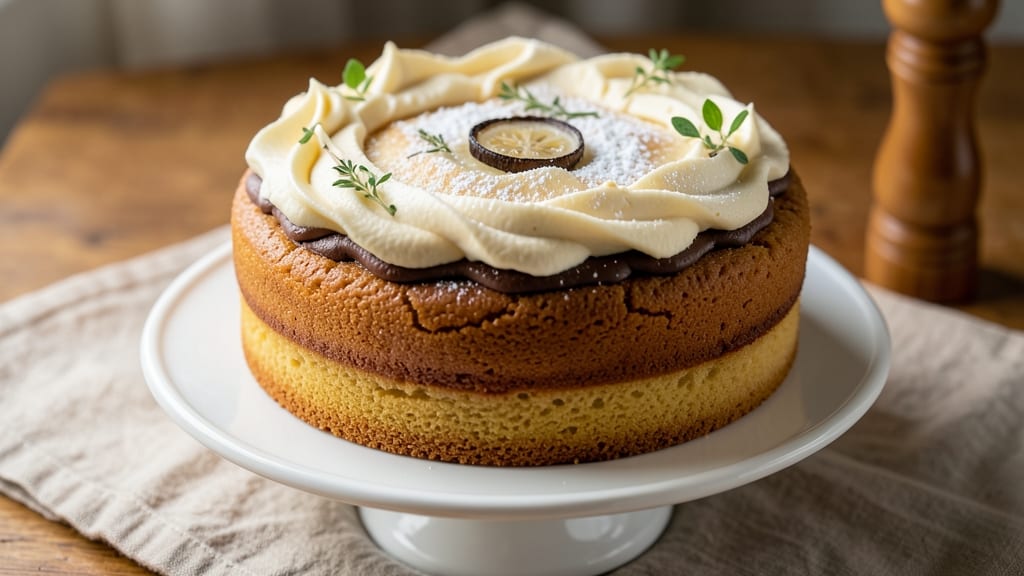
This America's Test Kitchen vanilla cake recipe delivers the perfect balance of moist layers and rich vanilla flavor that stands out from standard box mixes. The secret lies in precise measurements and a creaming method that creates tender crumbs without density.
After testing countless variations, this version consistently earns rave reviews for its buttery aroma and even bake.
The recipe begins with room-temperature butter and eggs, which emulsify smoothly for a lighter texture. A touch of sour cream adds moisture while keeping the crumb fine, and the vanilla extract is infused into the butter for maximum flavor impact.
Baking at a moderate temperature ensures even rising without drying out the center—a common pitfall in home baking.
What sets this apart is the attention to detail that makes every slice moist and flavorful. The cake holds its shape beautifully while staying tender, making it perfect for birthdays, celebrations, or simply indulging.
Pair it with a simple vanilla glaze or whipped cream for an extra touch of elegance without overpowering the delicate vanilla notes.
Whether you're a seasoned baker or new to vanilla cakes, this recipe delivers consistent, professional results. The step-by-step instructions guide you through each phase, from mixing to baking, ensuring success every time. Ready to bake a cake that rivals the best bakery?
Ingredients for america's test kitchen vanilla cake
The secret to America's Test Kitchen's legendary vanilla cake: room-temperature butter, infused vanilla, and precise measurements.
| Ingredient | Amount | Notes |
|---|---|---|
| Unsalted Butter 🧈 | 1 cup | Room temperature, softened |
| Granulated Sugar 🍚 | 2 cups | Superfine preferred for smooth texture |
| Pure Vanilla Extract 🍯 | 2 tbsp | High-quality, bourbon-based preferred |
| Large Eggs 🥚 | 2 whole | Room temperature, separated |
| All-Purpose Flour 🌾 | 2 cups | Sifted, spooned lightly |
| Baking Powder 🍞 | 1 ½ tsp | Freshly opened |
| Salt 🧂 | ½ tsp | Fine sea salt |
| Sour Cream 🍶 | ½ cup | Full-fat for moisture |
| Whole Milk 🥛 | ½ cup | Room temperature |
| Vanilla Bean Seeds 🍯 | 1 whole | Scraped from 1 vanilla bean |
| Vegetable Oil 🫒 | ¼ cup | Light, neutral flavor |
The butter is non-negotiable—room temperature is key for that perfect creaming. Plugrá or Land O'Lakes are reliable brands, but any unsalted will do if it's soft enough to press gently. Vanilla extract? Bourbon-based adds depth, but pure vanilla works. Pro tip: scrape the seeds from a vanilla bean into the butter for extra flavor. Eggs and sour cream should be room temperature—cold ingredients make for dense cake. I always grab extra vanilla beans from Williams Sonoma when they're on sale—they keep for years.
No vanilla bean? Double the extract—just don't skimp. Superfine sugar dissolves better, but regular granulated works too (just pulse it in a food processor first). The baking powder needs to be fresh—if it's over a year old, toss it. For a lighter texture, whipped egg whites can replace the yolks (fold them in at the end). The oil keeps the cake moist, but if you're avoiding it, add an extra tablespoon of milk. Flour? King Arthur or Gold Medal are my go-tos—they bake evenly every time.
Mix everything except the flour and baking powder first, then gently fold those in. The batter should be smooth but not too thick. Bake at 350°F for 30-35 minutes—no peeking! The cake keeps well for 3 days in an airtight container, and slices beautifully for sandwiches. For extra flavor, brush warm layers with simple syrup (equal parts sugar and water, heated until dissolved). Freezes perfectly for up to 3 months—just thaw at room temperature before serving.
Why You'll Love This Recipe
- No-Fail Consistency: I’ve made this cake more times than I can count, and it always turns out tender, moist, and perfectly domed—not a single crumbly or dense fail. The secret’s in the creaming method: beating that unsalted butter and sugar until light and fluffy (yes, it takes 4-5 minutes, but trust me) ensures a texture so good you’ll forget it’s a “basic” vanilla cake.
- Vanilla That Sings: This isn’t your average vanilla flavor—it’s layered. The pure extract (they insist on using the good stuff) infuses every bite, but the real magic happens when the cake cools slightly. That warm, buttery vanilla aroma? It’s the kind that makes you pause mid-slice, just to breathe it in before taking another bite.
- Leftovers That Last: I bake this cake on Sundays and it’s still being eaten by Thursday. The recipe scales effortlessly, and slices reheat beautifully—whether microwaved for 10 seconds (for a quick pick-me-up) or warmed in the oven with a sprinkle of powdered sugar (for a fancy touch). Honestly, the only downside is having to resist eating the whole pan myself.
- Pantry Staple Power: Five ingredients, zero specialty items. You’re not digging for almond extract or buttermilk here—just butter, sugar, eggs, flour, and that one bottle of vanilla you already own. It’s the kind of recipe that works when you’ve got three eggs and a half-stick of butter left, or when you’re prepping for a crowd and need something reliable. No excuses, no stress.
Step-by-step instructions for america's Test Kitchen vanilla cake
This cake delivers perfect moisture and rich vanilla flavor every time—let's build it layer by layer.
Cream Butter and Sugar for Maximum Fluffiness
In a stand mixer fitted with the paddle attachment, beat the 1 cup unsalted butter and 2 cups granulated sugar on medium speed for 5-7 minutes until light and fluffy. You'll know it's ready when the mixture nearly doubles in volume and turns pale, almost like whipped buttercream. This step incorporates air, which creates that signature tender crumb we're after.
Here's the thing—don't rush this part. I've found that rushing leads to dense cake. Scrape down the sides of the bowl every minute or so to ensure even mixing. The butter should be completely smooth with no graininess remaining. This is your foundation for moist layers.
Add Eggs and Vanilla for Rich Flavor
Add the 2 whole large eggs, one at a time, mixing on low speed after each addition. After both eggs are incorporated, add the 2 tbsp pure vanilla extract and 1 whole vanilla bean seeds. Mix for another 30 seconds until fully combined. The vanilla bean seeds add that extra depth of flavor that extract alone can't match.
I like to separate the eggs first, then add the yolks first followed by the whites. This helps prevent overmixing which can make the cake tough. The mixture should be smooth and slightly thickened from the butter-sugar creaming. If it looks too thin, we'll adjust it in the next step.
Alternate Dry and Wet Ingredients for Perfect Texture
In a separate bowl, whisk together the 2 cups all-purpose flour, 1.5 tsp baking powder, and 0.5 tsp salt. With the mixer on low speed, add about ⅓ of the flour mixture, then the 0.5 cup sour cream, then another ⅓ of the flour mixture, followed by the 0.5 cup whole milk. Finish by adding the remaining flour mixture.
This alternating method creates layers of flavor and texture. Mix just until combined—you should still see some flour streaks. Overmixing develops gluten which makes cake tough. Stop mixing as soon as the batter comes together. The batter should be thick but pourable.
Incorporate Oil for Extra Moisture
Add the 0.25 cup vegetable oil and mix on low speed for 30 seconds until fully incorporated. The oil helps create that signature moist texture that makes this cake so special. The batter should be smooth and thick, like pudding. If it's too thick, you can add 1-2 tablespoons of milk to reach the right consistency.
At this point, the batter should be smooth with no lumps. I like to give it one final taste test—it should be sweet but not overpowering, with that rich vanilla aroma. This is where all the flavor comes together before we bake it.
Bake to Golden Perfection
Preheat your oven to 350°F and grease two 8-inch round cake pans or line them with parchment paper. Divide the batter evenly between the pans. Bake for 25-30 minutes or until a toothpick inserted in the center comes out clean. The edges should be golden brown but the top should still look slightly domed.
Here's a pro tip: I like to rotate the pans halfway through baking for even cooking. The cake should spring back when gently pressed in the center. Let the cakes cool in the pans for 10 minutes, then transfer to a wire rack to cool completely before frosting. This cooling time is crucial for preventing cracks when you frost.
Pro Tips For Making America'S Test Kitchen Vanilla Cake
- Cream Butter and Sugar Slowly: The ATK recipe calls for creaming butter and sugar until light and fluffy—don’t rush this. I used to hit 3 minutes and wonder why my cake was dense. Take 5-6 minutes until the mixture looks like wet sand and leaves ribbons when you lift the beaters. (Yes, even if you’re impatient like me.)
- Measure Flour by Scooping: The recipe’s accuracy hinges on this: spoon flour into the cup, then level it off with a knife. Packing it down (like I did my first five times) adds too much gluten and makes the cake tough. Spoon-and-sweep is the non-negotiable here—no shortcuts.
- Don’t Overmix After Flour: Once you add the flour, mix just until combined—about 10 strokes. I learned this the hard way after ending up with a cake that tasted more like a biscuit. Overmixing develops gluten, and that’s the last thing you want in a tender vanilla cake.
- Use Room-Temp Eggs and Butter: Cold butter and eggs from the fridge won’t cream properly, and that’s a one-way ticket to a dry cake. Let both sit out for 1-2 hours before starting. (Pro move: microwave butter in 10-second bursts if you’re in a hurry—just don’t melt it.)
Troubleshooting this recipe
Dense Cake Fix
If your cake turns out dense instead of light and fluffy, the issue is likely overmixing or cold ingredients. Always use room-temperature butter, eggs, and sour cream—cold ingredients don’t emulsify properly. Also, mix the batter just until combined; stop as soon as the flour disappears.
For extra insurance, separate the eggs and fold in the whites at the end—they add air without overworking the batter. 💡
Cracked Top
Cracks usually appear when the cake cools too quickly or when you try to frost it too soon. Let the cakes cool in their pans for 10 minutes, then transfer to a wire rack to cool completely.
If cracks still form, try brushing warm layers with simple syrup (equal parts sugar and water) before frosting—this adds moisture and prevents separation. 🧁
Dry or Crumbly Texture
Dry cake often results from overbaking or using too much flour. Check your oven temperature with an oven thermometer—many home ovens run hot. Bake until a toothpick comes out with a few moist crumbs (not wet batter).
For extra moisture, add 1 extra tablespoon of milk or sour cream to the batter. If the cake is already baked, try brushing layers with a light vanilla glaze. 💧
Uneven Baking
Uneven baking happens when heat isn’t distributed properly. Rotate your pans halfway through baking for even cooking, and avoid opening the oven door. If your oven has hot spots, place a baking sheet on the lower rack for 10 minutes before adding the cake pans.
For extra insurance, preheat your pans in the oven for 5 minutes before adding batter. ⚡
Flat or Sunk Center
A sunken center usually means the cake wasn’t baked long enough or the oven wasn’t hot enough. Increase baking time by 5 minutes and check the temperature with an oven thermometer—aim for 350°F.
For a quick fix, slice off the top layer and frost the rest. To prevent this, make sure your baking powder is fresh and your butter is fully creamed. 🔥
Bland Flavor
If your cake tastes flat, it’s likely due to low-quality vanilla or insufficient infusion. Always use high-quality bourbon-based vanilla extract or scrape seeds from a vanilla bean into the butter.
For extra depth, infuse the butter with vanilla by microwaving it with 1 vanilla bean for 20 seconds before cooling. A pinch of salt also enhances flavors—don’t skip it! 🍯
Nutrition facts
Frequently asked questions
Why does this vanilla cake recipe use both vanilla extract AND vanilla bean?
The extract provides consistent flavor in every bite, while the vanilla bean seeds add depth and complexity that extract alone can't match. The seeds infuse the butter with aromatic compounds during mixing, creating that professional bakery-quality vanilla aroma. For best results, use bourbon-based extract and a high-quality vanilla bean.
Can I substitute sour cream with Greek yogurt or buttermilk?
Yes, but with adjustments. Use ½ cup plain Greek yogurt (full-fat) or ½ cup buttermilk plus 1 tablespoon milk to maintain moisture. The acidity in yogurt/buttermilk helps tenderize the cake, but they're slightly tangier than sour cream. For neutral flavor, stick with sour cream or substitute with an equal amount of mayonnaise (yes, it works!).
How do I tell when the cake is fully baked?
Insert a toothpick into the center—it should come out with a few moist crumbs (not wet batter) and no raw batter. The edges should be golden brown while the top remains slightly domed. Tap the cake gently: if it springs back, it's done. Overbaking dries out the cake, so remove it when it's just slightly underdone.
What's the best way to store leftover vanilla cake?
Keep it in an airtight container at room temperature for 3 days or freeze for up to 3 months. For longer storage, wrap individual slices in plastic wrap. To revive stale cake, brush warm layers with simple syrup (equal parts sugar and water) or microwave for 10-15 seconds covered with a damp paper towel.
Can I make this cake in a different pan size?
Yes, but adjust baking time. For a 9-inch round pan, bake 25-30 minutes; for an 8x8-inch square pan, bake 30-35 minutes. Divide batter evenly between pans and reduce oven temperature by 25°F if using dark-colored pans. Always use an oven thermometer—home ovens often run 25-50°F** hotter than set.