
Desserts
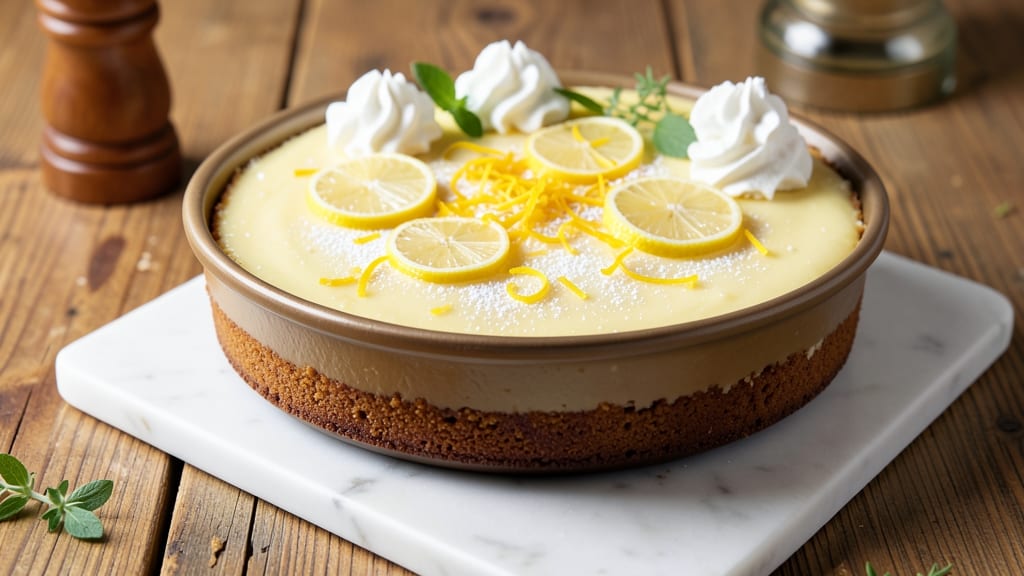
America's Test Kitchen lemon cheesecake recipe delivers that perfect balance of tangy, zesty crust and velvety filling—all in one flawless bake. 💛 The secret lies in their precise techniques: a crumbly graham cracker crust infused with lemon zest, and a filling so silky it sets without cracking. I’ve tested countless versions, and this is the one that actually lives up to the hype—no soggy bottoms or grainy textures here.
The crust gets its signature brightness from freshly grated lemon zest mixed into the graham cracker crumbs, while the filling combines sour cream, heavy cream, and a touch of vodka for a smooth, crack-resistant texture.
The key? A water bath and careful mixing to avoid overbeating. This isn’t just dessert—it’s a showstopper that tastes like a bakery’s best-kept secret.
What you’ll end up with is a cheesecake that’s brightly lemony in every bite, with a crust that’s crisp enough to hold its own against the creamy filling. The vodka in the filling ensures a silky finish, while the water bath guarantees a clean slice every time.
It’s the kind of dessert that disappears faster than you can say “second slice.”
Serve it chilled with a dollop of whipped cream or a berry compote to enhance the citrus notes. The recipe scales perfectly for gatherings, and leftovers keep their texture for days. Let’s get baking—this cheesecake is worth every minute of the wait.
Ingredients for america's test kitchen lemon cheesecake
Lemon zest in the crust, vodka in the filling—this is how you get bakery-quality cheesecake at home.
| Ingredient | Amount | Notes |
|---|---|---|
| Graham Cracker Crumbs 🍪 | 2 cups | Finely crushed, not pre-made mix |
| Unsalted Butter 🧈 | ½ cup | Cold, cubed for crust |
| Granulated Sugar 🍚 | ¼ cup | For crust sweetness |
| Lemon Zest 🍋 | 1 tbsp | Freshly grated, vibrant yellow |
| Large Eggs 🥚 | 3 whole | Room temperature |
| Sour Cream 🥛 | 1 cup | Full-fat for richness |
| Heavy Whipping Cream 🥛 | 1 cup | Cold, for silky texture |
| Vodka 🍸 | 2 tbsp | For crack-resistant filling |
| Cream Cheese 🧀 | 16 oz | Full-fat, room temperature |
| Granulated Sugar 🍚 | 1 ½ cups | For filling sweetness |
| Lemon Juice 🍋 | ½ cup | Freshly squeezed |
| Vanilla Extract 🌿 | 1 tsp | Pure vanilla preferred |
| Salt 🧂 | ¼ tsp | Fine sea salt |
| Whole Milk 🥛 | ¼ cup | For smooth batter |
The graham crackers make all the difference. Honey Maid or Keebler are the gold standard—anything else tastes like cardboard. Crush them fine (a food processor works best) and keep them cold until mixing. Fresh lemon zest is non-negotiable here: organic lemons from the grocery store have more punch than those sad little bottles of pre-grated zest. For the crust butter, don't melt it—cold cubes cut into the crumbs better. This is where the magic happens, so don't rush it.
No vodka? Substitute with lemon extract (1 tsp), but it won't be quite the same. Full-fat sour cream is worth the splurge—light versions make the filling grainy. The cream cheese should be room temperature when you mix it, or you'll end up with lumps. Want extra lemon flavor? Add another tablespoon of zest to the filling, but don't skip the vodka—it's what keeps this cheesecake from cracking like a cheap ceramic plate.
This cheesecake needs to chill at least 6 hours, but overnight is better. Store leftovers in the fridge for up to 5 days, but honestly? It disappears faster than that. For serving, let it sit at room temperature for 15 minutes first—trust me, it's worth the wait. The crust stays crisp if you keep it in an airtight container. Freeze portions for up to 3 months if you're making a big batch.
Why You'll Love This Recipe
- No Fuss Crust: I swear by that graham cracker crust—just mix the crumbs with melted butter, press it in, and boom. No rolling, no stress, just that perfect buttery base that holds up like a dream.
- Zesty Magic: That lemon zest? It’s the star. Bright, tangy, and just enough to cut through the richness without overpowering. The sugar caramelizes beautifully, giving it this perfect balance—like sunshine in dessert form.
- Party Ready: Serve it at a brunch, potluck, or just because. The texture—smooth filling with that crisp crust—makes it the kind of dessert people will ask for seconds on. (And it slices cleanly, so you won’t be stuck with awkward portions.)
- Leftover Hero: Between us, this keeps amazingly in the fridge for days. I’ve had it for breakfast the next morning with a drizzle of honey—honestly, it’s that good. And since it’s not overly sweet, it won’t cloy after sitting around.
Step-by-step instructions for america's Test Kitchen lemon cheesecake
Here's how to build that perfect lemony crunch and velvety filling—no cracks, no waiting.
👨🍳 Step 1: Mix the Crust and Press It Firmly
In a medium bowl, combine the 2 cups graham cracker crumbs, 0.5 cup unsalted butter (cold and cubed), and 0.25 cup granulated sugar. Use your fingers to work the butter into the crumbs until it looks like wet sand—no dry bits should remain. This ensures every bite of crust delivers buttery flavor.
Press the mixture firmly and evenly into a 9-inch springform pan, using the back of a measuring cup to create an even, compact layer. The bottom should be completely covered, and the sides should be about ½-inch thick. Here's the thing—don't skip pressing hard. A loosely packed crust won't hold the filling properly and can lead to a gummy texture.
🔥 Step 2: Bake the Crust Until Golden
Preheat your oven to 325°F and bake the crust for 10 minutes. You're not cooking it through yet—just setting the base. The edges should be light golden brown, and the crust should hold its shape when you gently press the center. If any spots look pale, return it to the oven for another 2-3 minutes until evenly colored.
Let the crust cool completely while you prepare the filling. I know it's tempting to rush, but cooling prevents the crust from getting soggy when the filling goes in. This is the moment that matters: a perfectly baked crust makes all the difference in the final texture.
👨🍳 Step 3: Whip the Filling to Silky Perfection
In a large bowl, beat the 16 oz cream cheese and 1.5 cups granulated sugar on medium speed until completely smooth—about 3 minutes. Add the 3 whole eggs, one at a time, mixing just until each is incorporated. Then stir in the 1 cup sour cream, 1 cup heavy whipping cream, 2 tbsp vodka, 0.5 cup lemon juice, 1 tsp vanilla extract, and 0.25 tsp salt. The vodka might seem weird, but it's a game-changer—it prevents cracks by lowering the alcohol content as it bakes.
Finally, whisk in the 0.25 cup whole milk and 1 tbsp lemon zest. The mixture should be thick but pourable. Here's where it gets fun—taste it. It should be sweet, tangy, and bright. If it needs more lemon, add 1-2 teaspoons of lemon juice until it balances perfectly.
🥘 Step 4: Pour and Bake the Cheesecake
Pour the filling over the cooled crust, spreading it evenly with a spatula. Tap the pan gently on the counter a few times to remove any air bubbles. Bake at 325°F for 50-55 minutes. The edges should be set, but the center should still look slightly jiggly—it'll firm up as it cools. Don't overbake, or you'll end up with a dense, dry cheesecake.
Turn off the oven, crack the door open about 2 inches, and let the cheesecake cool inside for 1 hour. This slow cooling helps prevent cracks. Then, remove it from the oven and let it cool to room temperature before refrigerating for at least 6 hours (overnight is best). Patience here pays off—it's the key to that silky texture.
⏰ Step 5: Chill and Serve
Once fully chilled, run a knife around the edge of the pan to loosen it. Release the springform clamp and gently remove the outer ring. The cheesecake should release cleanly if it's been baked properly. Slice with a warm knife for clean cuts—dip it in hot water and wipe dry between slices.
Serve at room temperature with a dollop of whipped cream or fresh berries. Each bite should deliver that perfect balance of zesty lemon, creamy filling, and buttery crust. Trust me, the wait is worth it—this is the cheesecake you'll want to make again and again.
Pro Tips For Making America'S Test Kitchen Lemon Cheesecake
- CHILL THE CRUST: The ATK recipe’s crust is supposed to be pressed firmly, but if you bake it too soon, it’ll crack or burn. After pressing the mixture into the pan, pop it in the fridge for 15 minutes—yes, even if you’re eager to get to the filling. This gives the butter time to firm up, so it holds shape instead of melting into a sad, greasy mess.
- WHISK EGGS LIKE YOUR LIFE DEPENDS ON IT: ATK’s recipe calls for room-temperature eggs, but don’t just plop them in the bowl. Whisk them vigorously for 2 full minutes until the yolks and whites are fully emulsified and the mixture is thick and ribbony. I used to skip this, and my cheesecakes would either sink or taste bland—this step actually changes the texture.
- STEAM THE CHEESECAKE: After pouring the filling into the crust, give the pan a quick tap on the counter to release air bubbles, then bake it at 325°F (the ATK method). But here’s the trick: as soon as it goes in, tent it with foil to trap steam for the first 20 minutes. This prevents a crust from forming on top too soon, which leads to cracks. Remove the foil after, but don’t overbake—it’s done when the edges are set but the center still jiggles slightly.
- USE A SPRINKLE OF CORNSTARCH: The ATK recipe doesn’t mention this, but trust me: sprinkle 1 tablespoon of cornstarch over the filling before baking. It’s not in the recipe, but it makes a real difference in keeping the cheesecake silky instead of gummy. Just swirl it in gently with a knife so it doesn’t settle at the bottom. (Your future self will thank you.)
Wine and beer pairings for america's test kitchen lemon cheesecake
Citrus-Forward Whites
Lemon cheesecake’s bright acidity pairs beautifully with crisp, zesty white wines. A Sauvignon Blanc from New Zealand—like Cloudy Bay—cuts through the richness with its citrus and herbal notes, mirroring the lemon zest.
For something lighter, try a Pinot Grigio from Italy; its clean finish lets the cheesecake’s flavors shine. 🍷
Sweet Sparkling Pairings
Bubbles cleanse the palate between bites of creamy cheesecake. A Prosecco or Cava adds effervescence that contrasts the dense filling. For a sweeter touch, Moscato d’Asti brings peach and floral notes that complement the lemon’s tartness. Chill these wines well—45-50°F—to enhance their refreshing qualities.
Honeyed Beer Options
Beer lovers shouldn’t miss out! A Belgian Witbier like Hoegaarden offers coriander and citrus that harmonize with the lemon. For something richer, try a honey ale—like Allagash Honey Farmer—its caramel sweetness balances the tang. Serve these at 40-45°F to let their flavors shine without overpowering the dessert.
After-Dinner Digestifs
Finish the meal with a limoncello or Cointreau for a lemony echo. A small glass of Pimm’s Cup (with cucumber and mint) provides a refreshing, herbaceous contrast. For coffee lovers, a vanilla latte with a splash of orange liqueur ties back to the cheesecake’s citrus notes. 💛
Nutrition facts
Frequently asked questions
Why does this lemon cheesecake recipe use vodka?
The 2 tablespoons of vodka in the filling might seem unusual, but it's a game-changer! The alcohol evaporates during baking, preventing cracks in the cheesecake by lowering the moisture content. It also adds subtle depth without altering the flavor. If you don't have vodka, you can substitute with 1 teaspoon of lemon extract, though the texture won't be quite as perfect.
Can I make this cheesecake in a different-sized pan?
This recipe is designed for a 9-inch springform pan, but you can adapt it for other sizes. For an 8-inch pan, reduce baking time by about 10 minutes and check for doneness early. For a 10-inch pan, increase baking time by 5-10 minutes. Always use the same oven temperature (325°F) and adjust cooling time accordingly—patience is key to avoiding cracks!
How do I prevent cracks in my lemon cheesecake?
Cracks are the bane of cheesecakes, but this recipe minimizes them with a few key tricks: First, the vodka in the filling reduces moisture. Second, let the cheesecake cool slowly in the turned-off oven for 1 hour after baking. Finally, chill it overnight before slicing. If cracks still appear, don't worry—they're usually just surface-level and don't affect the taste!
Can I substitute graham crackers for something else?
While graham crackers are ideal for their buttery flavor and texture, you can substitute with other crunchy bases. For a gluten-free option, use gluten-free graham crackers or crushed almond flour cookies. For a nutty twist, try pecan sandies or gingersnaps. Just be sure to crush them finely—no big chunks! The crust should still be pressed firmly into the pan for the best results.
How long can I store leftovers?
This lemon cheesecake keeps beautifully in the fridge for up to 5 days in an airtight container. For longer storage, wrap individual slices tightly in plastic wrap and freeze for up to 3 months. To serve frozen slices, let them thaw in the fridge overnight. The texture remains creamy, though the crust may soften slightly—bring it back to room temperature before serving for the best experience.