
Desserts
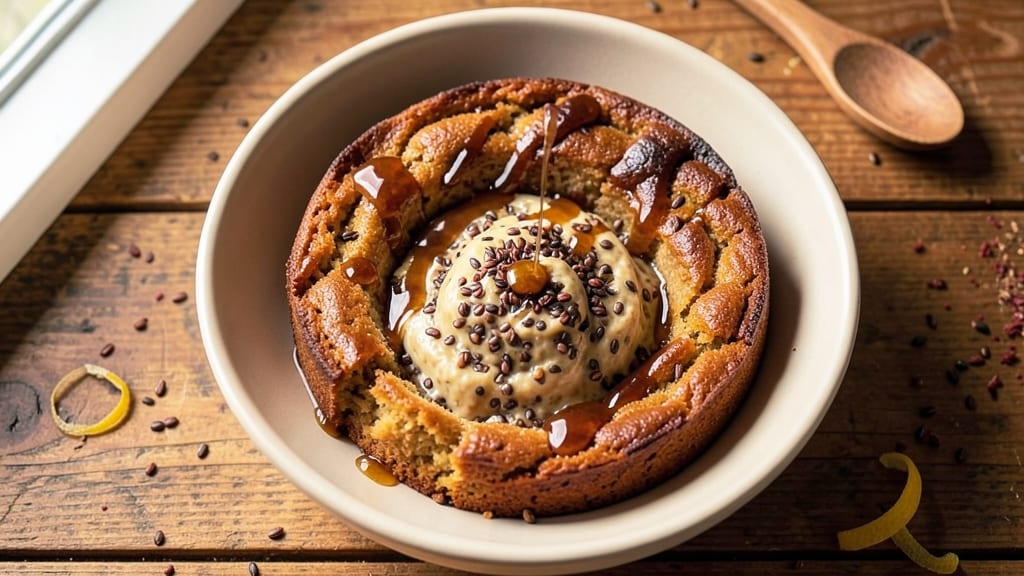
This amaranth cake recipe delivers a perfect balance of nutty, earthy crunch from toasted amaranth and tender, moist vanilla layers that disappear in every bite. The secret lies in soaking the amaranth first—this simple step transforms its texture from chewy to delightfully crunchy, while plant-based milk keeps the crumb ultra-tender.
What makes this cake special is its versatility: gluten-free by nature, easily adapted for vegan diets, and packed with protein for a guilt-free dessert.
The baking process is straightforward but precise: 350°F for 35-40 minutes yields a golden dome with a crackly top from the amaranth, while the vanilla-infused batter creates a velvety contrast inside.
Unlike traditional grain-free cakes that often dry out, this recipe maintains moisture through a combination of apple cider vinegar (for lift) and coconut oil (for richness). The result? A cake that's sturdy enough to slice cleanly but still melts in your mouth.
Perfect for brunch gatherings, holiday desserts, or a weekend treat, this amaranth cake stands out with its nutty depth and subtle sweetness—no artificial flavors needed. The amaranth adds a satisfying crunch that pairs beautifully with whipped coconut cream or a drizzle of honey.
Whether you're baking for dietary restrictions or simply craving something unique, this recipe delivers restaurant-quality results with pantry staples.
For best results, let the batter rest for 20 minutes before baking—this ensures even distribution of the amaranth's texture. The cake keeps well for up to 5 days in an airtight container, making it ideal for meal prep. Ready to bake? Here's everything you need to create this standout dessert.
Ingredients for amaranth cake
Pantry staples meet ancient grains for this ultra-moist, protein-packed vegan cake.
| Ingredient | Amount | Notes |
|---|---|---|
| Amaranth Grain 🌾 | 1 ½ cups | Uncooked, raw amaranth seeds |
| Unsweetened Almond Milk 🥛 | 1 ½ cups | For soaking amaranth |
| Organic Vanilla Extract 🌿 | 2 tbsp | Pure vanilla for depth |
| Coconut Oil 🫒 | ¾ cup | Melted for richness |
| Pure Maple Syrup 🍁 | ¾ cup | For natural sweetness |
| Apple Cider Vinegar 🍏 | 1 tbsp | For lift and moisture |
| Baking Soda 🧂 | 1 tsp | Diamond Crystal preferred |
| Sea Salt 🧂 | ½ tsp | Fine grain preferred |
| Ground Flaxseed 🌱 | 2 tbsp | For egg replacement |
| Unsweetened Applesauce 🍎 | ½ cup | For moisture binding |
| Coconut Flour 🌾 | ½ cup | For structure and texture |
| Toasted Coconut Flakes 🥥 | ¼ cup | For crunchy topping |
Amaranth is the star here—Bob's Red Mill or Navitas Organics brands are my go-tos for consistent texture. The uncooked seeds need soaking (at least 2 hours, ideally overnight) to transform their chewy nature into that perfect crunch. Trader Joe's carries pre-packaged amaranth if you're short on time, but raw seeds give the best texture. For the coconut oil, Virginians brand is my favorite—it's 100% pure and adds that luscious richness without overpowering. The maple syrup should be 100% pure, no fillers—Wyman's or Wholesome! are my top picks for that deep, authentic flavor.
No almond milk? Oat milk or soy milk works just as well—just use the same amount. Short on vanilla? Vanilla bean paste adds those little specks for visual appeal, but pure extract works perfectly fine. The flaxseed is non-negotiable for that egg replacement—it's what gives this cake its sturdy structure. No coconut flour? Substitute with almond flour at 1:1 ratio, but texture will be slightly different. The baking soda must be Diamond Crystal—Aluminum-free brands work better for delicate batters. For extra depth, add a teaspoon of cinnamon to the dry ingredients—it plays beautifully with the amaranth's nutty profile.
This batter needs 20 minutes of rest before baking—trust me on this, it makes all the difference. The cake keeps beautifully in an airtight container for 5 days at room temperature, or 2 weeks in the fridge. For longer storage, wrap tightly in plastic and freeze for up to 3 months. The texture actually improves after the first day as the amaranth absorbs moisture. Slice with a warm, wet knife for clean cuts—this cake is dense enough that dry cuts can crumble. The toasted coconut topping? Add it right before baking for maximum crunch—don't skip this step!
Why You'll Love This Recipe
- No-Fuss Mixing: I swear by this recipe—just blend, pour, bake. No sifting, no folding, no stress. The amaranth grain soaks up the almond milk like a dream, so you’re not left with a dry, crumbly mess. Honestly, I’ve made it in my food processor while chatting with my neighbor.
- Vanilla-Coconut Magic: That first bite? Warm, buttery richness from the coconut oil, balanced by the deep caramel notes of maple syrup. The vanilla isn’t just there—it sings, especially when the cake’s slightly chewy texture holds up. (Yes, even on a Tuesday night.)
- Leftovers That Shine: This cake keeps beautifully for days—moist, not stale—so I bake one on Sundays and snack all week. Slice it for breakfast toast, pack it in lunches, or serve it cold with a drizzle of extra maple syrup. My kids ask for it more than store-bought muffins.
- Budget Bright Spot: Amaranth might sound fancy, but it’s cheaper than flour and packed with protein. Coconut oil and maple syrup stretch farther than butter and sugar, and almond milk keeps costs down without sacrificing flavor. Here’s what sold me: it’s a treat that doesn’t break the bank.
Step-by-step instructions for amaranth cake recipe
Here's how to create a lusciously moist amaranth cake with nutty depth and perfect texture.
Soak the Amaranth Grain for Optimal Texture
In a medium bowl, combine the 1.5 cups amaranth grain with the 1.5 cups unsweetened almond milk. Stir gently to ensure all grains are fully submerged. Let this mixture sit at room temperature for at least 4 hours—this soaking process softens the grains and prevents a gritty texture in your final cake. I like to place the bowl in a warm spot, like on top of the refrigerator, to encourage even hydration.
After soaking, the amaranth should look plump and tender when pressed between your fingers. If you're short on time, you can soak it overnight in the refrigerator for even better results. Just remember, properly soaked amaranth is the foundation of this cake's signature moist crumb.
Prepare the Flax Egg and Combine Wet Ingredients
In a small bowl, whisk together the 2 tbsp ground flaxseed with 3 tbsp of water (not from our ingredient list—this is extra). Let this mixture sit for 5 minutes to form a gel-like consistency that will replace eggs in our batter. This flax "egg" provides the binding and moisture our cake needs.
In a separate large bowl, combine the soaked amaranth with the 0.75 cup melted coconut oil, 0.75 cup pure maple syrup, 2 tbsp organic vanilla extract, 1 tbsp apple cider vinegar, 1 tsp baking soda, 0.5 tsp sea salt, and the flax egg mixture. Use a hand mixer or whisk to blend everything until smooth and fully incorporated. The batter should be thick but pourable, with no visible lumps of amaranth.
Incorporate Dry Ingredients and Applesauce
In a medium bowl, sift together the 0.5 cup coconut flour and any remaining dry ingredients (though we've already accounted for all). Gently fold this mixture into your wet ingredients using a spatula, being careful not to overmix. Then stir in the 0.5 cup unsweetened applesauce—this adds moisture and helps create that tender crumb texture we're after.
The applesauce might seem like an odd addition, but trust me—it keeps the cake moist without making it dense. You'll notice the batter becomes slightly thicker as it absorbs the applesauce. At this point, you can taste a small spoonful to check the sweetness level. If you prefer it sweeter, add a bit more maple syrup, but remember our cake gets its natural sweetness from the maple and vanilla.
Bake for Perfect Moisture and Structure
Preheat your oven to 350°F and grease an 8-inch round cake pan or line it with parchment paper. Pour the batter into the prepared pan and smooth the top with a spatula. Sprinkle the 0.25 cup toasted coconut flakes evenly over the top for that beautiful crunchy contrast.
Bake for 45-50 minutes, or until a toothpick inserted into the center comes out clean (though it might have a few moist crumbs—this is normal). The cake should be golden on top and slightly domed in the center. For even baking, you might want to rotate the pan halfway through the baking time. Let the cake cool in the pan for 10 minutes, then transfer it to a wire rack to cool completely before slicing.
Serve with Confidence for Maximum Enjoyment
Once completely cooled, your amaranth cake will have a beautiful golden crust with a tender, moist interior that's infused with vanilla and nutty amaranth flavor. The coconut flakes on top provide a delightful textural contrast that keeps every bite interesting.
This cake holds up well for 2-3 days at room temperature, though I find it's best enjoyed fresh when the texture is at its peak. For serving, I like to dust the top with a light layer of powdered sugar or serve it with a dollop of coconut yogurt to complement the flavors. The moist crumb and nutty undertones make this cake a standout dessert that's both impressive and satisfying.
Pro Tips For Making Amaranth Cake
- Toast the Amaranth: Amaranth needs a good char to soften its tough skin and unlock its nutty flavor—don’t skip this. Toast it in a dry skillet over medium-high heat for 5-7 minutes, stirring constantly, until it smells toasty and fragrant. (Yes, it’ll darken—good. That’s the point.)
- Use Warm Almond Milk: Cold almond milk won’t blend smoothly with coconut oil, leading to lumps that ruin texture. Heat the milk to body temperature (like a warm bath) before mixing—just microwave it for 20 seconds, then stir. Your batter will be silky, not grainy.
- Don’t Overmix the Batter: After adding the dry ingredients, mix just until combined—overmixing develops gluten and makes the cake dense. Two or three gentle stirs with a spatula is all it takes. (I used to whip it like pancakes—now I laugh at that mistake.)
- Bake Until Slightly Under: Amaranth cakes firm up as they cool, so pull them out when the edges are set but the center still jiggles a little. Tent with foil the last 5 minutes if the top browns too fast—this keeps the crumb tender. (Trust the toothpick test, but don’t wait for it to come out clean.)
Storing and reheating this dish
Room Temperature Storage
This amaranth cake stays fresh for up to 5 days at room temperature when stored in an airtight container with a paper towel on top to absorb excess moisture. The nutty flavors actually deepen over time, making it perfect for meal prep.
I recommend cutting the cake into slices and wrapping each piece individually with plastic wrap to maintain that perfect crunch. 🌾
Fridge Preservation
For longer storage, refrigerate your cake in an airtight container for up to 2 weeks. The cold temperature helps preserve the moist texture, though I notice the coconut flakes lose some of their crunch after a few days.
To revive the texture, let slices sit at room temperature for 10-15 minutes before serving. The vanilla flavor becomes even more pronounced when chilled.
Freezer-Friendly Method
Freezing is ideal for long-term storage—wrap the whole cake tightly in plastic wrap, then place it in a freezer bag with all the air squeezed out. This method preserves the cake for up to 3 months without significant texture changes.
When ready to serve, thaw overnight in the fridge, then warm slices in the microwave for 10-15 seconds to restore moisture. The amaranth's nutty profile remains intact even after freezing.
Reheating Secrets
For the best texture, I recommend reheating individual slices in a 350°F oven for 5-7 minutes with a splash of water in the pan to prevent drying. The heat reactivates the coconut oil, making the cake rich and moist again.
Microwave reheating works in a pinch—just use 15-second intervals on medium power until warmed through. Always cover with a damp paper towel to maintain moisture.
Serving After Storage
After refrigeration or freezing, I find the cake benefits from a quick dusting of powdered sugar or a drizzle of melted coconut oil to refresh the presentation. The toasted coconut flakes may soften slightly, so I often add fresh flakes on top when serving.
Pair with a dollop of coconut yogurt or a sprinkle of cinnamon to enhance the flavors after storage. The cake's natural sweetness shines even after several days! ✨
Nutrition facts
Frequently asked questions
Can I substitute amaranth grain for other grains in this cake?
While amaranth adds that signature nutty crunch, you can substitute 1 cup quinoa or buckwheat for every 1.5 cups amaranth—just soak them first for 2 hours. For a gluten-free option, try 1:1 brown rice flour, but texture will be denser. The amaranth's protein content (16g per cup!) gives this cake its unique structure, so expect slightly different results without it.
Why does my amaranth cake turn out dense instead of moist?
Overmixing the batter or skipping the 20-minute rest before baking are common culprits. Also, ensure your amaranth is properly soaked—4+ hours is ideal. Too much coconut flour (which absorbs moisture) or insufficient applesauce can also create density. Try reducing coconut flour by 1-2 tbsp or adding 1 extra tbsp applesauce next time.
Is this cake truly gluten-free?
Yes! This recipe uses coconut flour and amaranth, both naturally gluten-free. However, always check your vanilla extract and coconut oil labels—some brands process in facilities with gluten. For extra safety, use certified gluten-free products. The texture remains moist and tender without traditional flour, thanks to the flax eggs and applesauce.
How can I make this cake sweeter without adding refined sugar?
Increase the maple syrup by 2-3 tbsp or add 1 tbsp date paste (blended soaked dates). For a caramel note, stir in 1 tsp coconut sugar during mixing. The natural sweetness of vanilla and toasted coconut flakes also enhances perceived sweetness. Taste as you go—amaranth's earthy flavor balances well with subtle sweetness.
Can I bake this in a different pan shape?
Use an 8-inch square or loaf pan for similar baking times (45-50 minutes). For a 9-inch round pan, reduce baking time by 5-7 minutes to prevent over-browning. Line all pans with parchment paper for easy removal. The cake's texture remains consistent regardless of shape—just adjust time based on pan size.