
Desserts
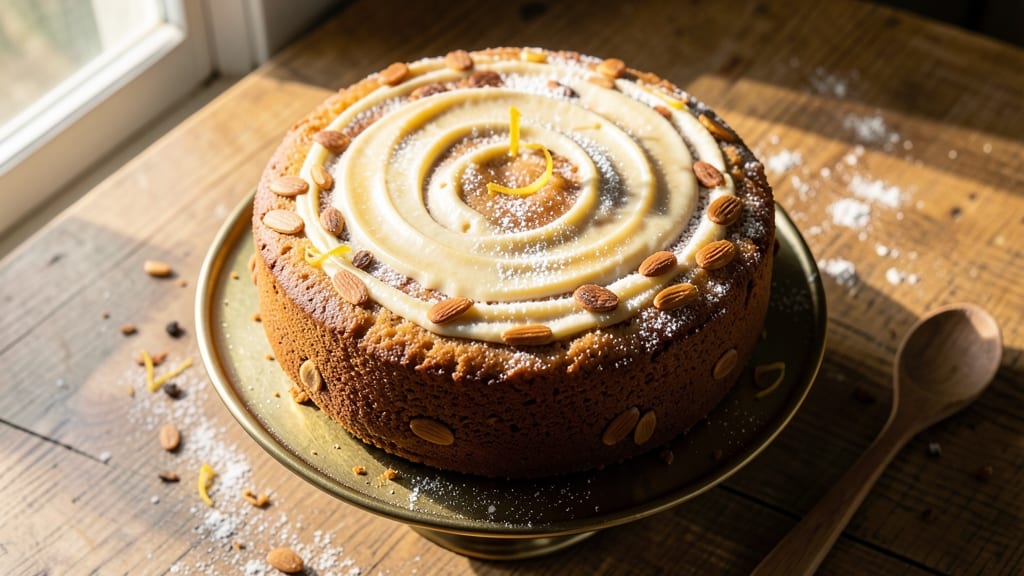
This almond sour cream pound cake delivers the perfect balance of moist crumb and nutty richness with every slice—no dry crumbs in sight. The secret lies in combining sour cream's tenderness with almond flour's delicate texture, creating a cake that's both elegant and foolproof.
I've baked this recipe countless times for holidays and special occasions, and it never disappoints.
The buttery crust forms a golden, crackly shell that contrasts beautifully with the tender interior, while the almond flavor shines through without overpowering the sweetness. What makes this recipe stand out is the foolproof technique—no special equipment needed, just a standard mixing bowl and oven.
The cake stays moist for days, making it ideal for meal prep or gifting.
By the time it emerges from the oven, you'll have a perfectly domed cake with a crackly top and tender crumb that melts in your mouth. The almond notes add depth, while the sour cream keeps it light and airy.
This is the kind of dessert that feels like a hug—rich, comforting, and just sweet enough.
Serve warm with a dusting of powdered sugar or chilled with fresh berries for a refreshing contrast. It keeps well at room temperature for up to 3 days or refrigerated for a week, making it perfect for celebrations or spontaneous treats. Let's get baking!
Ingredients for almond sour cream pound cake
Twelve essential ingredients transform into a perfectly moist almond cake with signature buttery crust.
| Ingredient | Amount | Notes |
|---|---|---|
| All-Purpose Flour 🌾 | 3 cups | Sifted for light texture |
| Almond Flour 🥜 | 1 ½ cups | Finely ground, unsweetened |
| Granulated Sugar 🍚 | 2 cups | Superfine preferred for smoothness |
| Unsalted Butter 🧈 | 1 ½ cups | Cold, cubed for proper creaming |
| Sour Cream 🥛 | 1 cup | Full-fat for optimal moisture |
| Large Eggs 🥚 | 4 whole | Room temperature for even baking |
| Pure Vanilla Extract 🌿 | 2 tsp | High-quality, no imitation |
| Baking Powder 🍞 | 2 tsp | Aluminum-free for best results |
| Salt 🧂 | ½ tsp | Fine sea salt preferred |
| Toasted Sliced Almonds 🥜 | 1 cup | For buttery crust topping |
| Powdered Sugar 🍚 | ½ cup | For final dusting |
| Heavy Cream 🥛 | ¼ cup | For enhanced buttery crust |
The almond flour is where the magic happens—Bob's Red Mill or King Arthur brands yield the finest texture. For the butter, Plugrá or Land O'Lakes are my go-tos, but any high-fat unsalted butter works. The sour cream should be full-fat; low-fat versions compromise moisture. Toast your sliced almonds in a dry pan until golden for maximum flavor. If you can't find superfine sugar, pulse regular granulated sugar in a food processor for 30 seconds to achieve the same consistency. This cake relies on precise measurements—don't eyeball the flour or almond flour.
No almond flour? Substitute with an extra 1.5 cups all-purpose flour, but expect slightly less nutty flavor. Running out of sour cream? Greek yogurt at the same quantity works in a pinch, though texture may vary slightly. For the vanilla, imitation extracts contain no real vanilla beans—Nielsen-Massey or McCormick pure extracts deliver authentic flavor. The heavy cream in the crust can be swapped for melted butter at half the quantity if you prefer. Always sift your dry ingredients together to prevent lumps, and let your butter come to room temperature before creaming—cold butter creates dense cake.
This cake stays moist for 5 days at room temperature, wrapped tightly in plastic. For longer storage, refrigerate for up to 2 weeks or freeze for 3 months. The buttery crust hardens when chilled, so bring it to room temperature before slicing. I recommend baking two 9-inch rounds for perfect individual servings. Store any leftovers in an airtight container with a layer of parchment between slices to maintain freshness. The cake freezes beautifully—wrap tightly in plastic wrap followed by foil for best results.
Why You'll Love This Recipe
- No Mixer Needed: I swear by this—just fold the almond flour into the butter until it’s crumbly, then stir in the sour cream. No electric mixer, no fuss, and the texture still comes out buttery and tender. Honestly, it’s the kind of recipe that makes me feel like a baking pro even when I’m rushing.
- Rich Without the Fat: That sour cream keeps it moist, but the almond flour gives it a subtle nuttiness that cuts through the sweetness. It’s lighter than classic pound cake but still dangerously addictive—like a hug in dessert form. (Yes, even if you’re watching carbs.)
- Brunch or Snack Star: Slice it thin for a fancy charcuterie board or serve thick for a lazy weekend breakfast. I’ve topped it with whipped cream, fresh berries, or even a drizzle of honey—it’s your canvas. Between us, it’s the only cake I’ll bake when I’m too tired for anything else.
- Leftovers That Don’t Suck: This cake actually improves the next day. The almond flour soaks up the moisture, so it stays soft for days. I’ll wrap it loosely and keep it on the counter—no reheating needed. My secret weapon for when I forget to bake ahead.
Step-by-step instructions for almond sour cream pound cake
This method delivers a perfectly moist crumb with a nutty almond flavor and signature buttery crust.
Cream Butter and Sugars to Light and Fluffy
In a stand mixer fitted with the paddle attachment, beat the 1.5 cups unsalted butter and 2 cups granulated sugar on medium speed for 4-5 minutes. You're looking for a pale, thick mixture that nearly doubles in volume and leaves clean streaks on the bowl when you lift the paddle. This creaming process incorporates air, which creates that signature tender crumb.
I like to use a digital thermometer here—when the mixture reaches 70-75°F, it's at the perfect temperature for adding eggs. Cold butter creates dense cakes, while overly warm butter can cause the cake to sink. The sugar should be fully dissolved with no graininess remaining.
Add Eggs and Sour Cream for Moisture
Add the 4 whole large eggs, one at a time, mixing on low speed for 30 seconds after each addition until fully incorporated. Then add the 1 cup sour cream and mix on low for another 30 seconds. The batter should be smooth with a thick, ribbon-like consistency.
This is where the sour cream works its magic—it adds moisture without making the cake dense. The eggs provide structure, while the sour cream's acidity helps activate the baking powder for proper rise. If you notice any curdling from the eggs, don't worry—the dry ingredients will smooth everything out in the next step.
Combine Dry Ingredients for Light Texture
In a separate bowl, whisk together the 3 cups all-purpose flour, 1.5 cups almond flour, 2 teaspoons baking powder, 0.5 teaspoon salt, and 2 teaspoons pure vanilla extract. Sift the dry ingredients through a fine-mesh sieve directly into the bowl to prevent clumping.
With the mixer on low speed, gradually add the dry ingredients to the wet mixture, mixing just until combined. You should still see small streaks of flour—overmixing develops gluten and makes the cake tough. The batter will be thick and slightly sticky, almost like cookie dough.
Prepare and Bake the Cake Layers
Divide the batter evenly between two 9-inch round cake pans lined with parchment paper and greased with butter. Tap the pans gently on the counter to remove any air bubbles. Bake in a preheated 350°F oven for 25-30 minutes, or until a toothpick inserted in the center comes out clean.
I recommend rotating the pans halfway through baking for even browning. The cake should be golden brown on top with a slightly domed center. If the tops brown too quickly, tent the pans with foil after 20 minutes to prevent overbrowning while ensuring the centers cook through.
Create the Buttery Crust and Finish
While the cake layers are still warm, prepare the crust mixture by combining the 0.25 cup heavy cream and 0.5 cup powdered sugar in a small bowl. Brush this mixture evenly over the tops of both cake layers. Then press 1 cup toasted sliced almonds evenly over the tops.
Let the cakes cool in the pans for 15 minutes, then transfer to a wire rack to cool completely. The crust should set as it cools, creating that signature buttery, nutty topping. For serving, slice between the layers and dust with additional powdered sugar if desired.
Pro Tips For Making Almond Sour Cream Pound Cake
- Mix Dry Ingredients Last: I learned this the hard way—adding almond flour early causes it to clump like cement when hydrated. Fold it in after the wet ingredients are combined, then mix just until combined. Overmixing turns your cake dense, and nobody wants that.
- Use Room-Temp Sour Cream: Cold sour cream curdles when it hits warm butter, and nobody wants a lumpy batter. Let it sit out for 30 minutes (or microwave for 10 seconds if desperate) so it blends smoothly. Trust me, your crumb will thank you.
- Skip the Overbaking Test: That toothpick trick is outdated for this cake. Pull it out at 325°F when the center looks just set—it’ll keep rising as it cools. Overbaking dries out the almond flour’s moisture, turning your cake into a sad, crumbly brick.
- Grease the Pan Twice: Almond flour sticks like glue. Butter the pan, then dust with flour—then butter it again. This extra step guarantees your cake slides out clean, no scraping required. (Yes, even if you’re impatient like me.)
Troubleshooting your almond sour cream pound cake
Cake Too Dense
If your cake turns out dense instead of tender, you likely overmixed the batter or used warm butter. The key is to mix just until combined—stop when small flour streaks remain. Also, ensure your butter is room temperature (68-70°F) but not melted.
I’ve found that using a digital thermometer helps maintain consistency. Another common issue is insufficient leavening—double-check your baking powder is fresh (it loses potency after 6 months). 🔥
Dry or Crumbly Texture
Dryness usually means the cake baked too long or the oven ran hot. Pull it when a toothpick comes out with a few moist crumbs, not completely clean. For extra moisture, try adding 1 tablespoon milk to the batter.
The almond flour can also absorb moisture quickly—make sure it’s finely ground and not clumpy. If your cake feels dry after baking, brush the warm layers with a simple syrup made from ¼ cup sugar + 2 tbsp water before adding the crust.
Uneven Baking
Uneven baking often happens when pans aren’t preheated or the oven has hot spots. Always preheat your oven for at least 20 minutes and use oven thermometers to verify accuracy (many ovens run 25°F hotter than set).
Rotate the pans halfway through baking and avoid opening the oven door during the first 20 minutes—temperature fluctuations cause uneven rising. For extra insurance, bake one layer at a time if your oven has inconsistent heat distribution.
Crust Too Soft
The buttery almond crust should be crisp but not brittle. If it stays soft, your heavy cream mixture may need more sugar or the almonds weren’t toasted enough. Press the almonds firmly onto the warm cake layers—they’ll set as they cool.
For extra crunch, toast the almonds until golden brown (3-4 minutes at 350°F) and let them cool completely before pressing. If the crust still feels gummy, chill the cake for 1 hour before slicing to help it firm up.
Cake Sinks in Center
A sunken center usually means the cake wasn’t baked long enough or the oven wasn’t hot enough. Double-check your baking time—this cake needs 25-30 minutes at 350°F. Another culprit is overmixing the batter, which develops gluten and causes collapse.
If this happens, try underbaking slightly (pull at 23 minutes) and let it finish cooling in the pan—residual heat will carry it to doneness. For next time, use a cake thermometer to confirm 205°F internal temperature at the center.
Almond Flavor Too Strong
If the almond flavor overpowers the cake, you may have used too much almond flour. The recipe’s 1.5 cups almond flour is perfect for subtle nutty notes—don’t exceed this. For a milder flavor, substitute ½ cup almond flour with additional all-purpose flour.
Toasting the almonds too darkly can also intensify the flavor—aim for light golden brown (about 3 minutes) rather than deep brown. If needed, balance the flavor with a dusting of powdered sugar or fresh berries when serving.
Nutrition facts
Frequently asked questions
Why does this recipe use both all-purpose and almond flour?
The combination creates the perfect texture—all-purpose flour provides structure while almond flour adds subtle nuttiness and moisture. The almond flour also prevents the cake from becoming too dense, which can happen with all-purpose flour alone. Think of it as the secret to that signature tender yet slightly crumbly crumb!
Can I make this cake in a single 9-inch pan instead of two?
Yes, but expect a taller, denser cake. For a single layer, reduce baking time to 20-25 minutes at 350°F and check for doneness early. The crust may not be as crisp, but the flavor will still be delicious. For best results, stick with two 9-inch pans for that classic pound cake shape and texture.
How do I store leftovers to keep them moist?
Wrap the cake tightly in plastic wrap and store at room temperature for up to 3 days, or refrigerate for 1 week. For longer storage, freeze slices in an airtight container for 3 months. The buttery crust hardens when cold, so bring it to room temperature before slicing. Pro tip: Place a slice of bread in the container to absorb excess moisture and keep the cake fresh longer!
What's the best way to serve this cake?
Serve warm with a dusting of powdered sugar and fresh berries, or chilled with a dollop of whipped cream. For a sophisticated touch, drizzle with honey or caramel sauce. The nutty flavor pairs beautifully with citrusy fruits like oranges or lemons. If you're feeling festive, add a sprinkle of toasted coconut flakes for extra texture!
Can I substitute Greek yogurt for the sour cream?
Yes, but expect a slightly tangier flavor and potentially denser texture. Use the same amount (1 cup) of full-fat Greek yogurt. For best results, strain the yogurt for 30 minutes to remove excess liquid before mixing. If the batter seems too thick, add 1 tablespoon milk to restore moisture. The cake will still be delicious, just with a different character!