Desserts
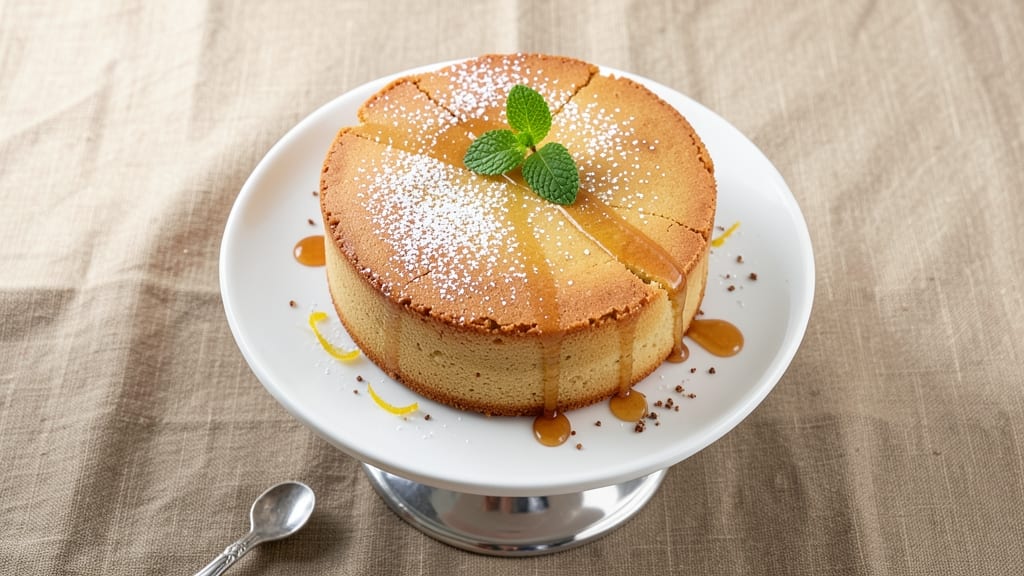
This Atkins cake recipe delivers all the fluffy, moist texture of classic cake without the sugar crash or carb overload. The secret lies in almond flour and erythritol—a perfect low-carb swap that keeps every layer tender and every bite satisfying.
I developed this after years of baking keto-friendly desserts that either tasted like cardboard or crumbled apart, and this version finally nails it.
The recipe uses egg whites for structure (no heavy cream or butter needed) and a simple baking powder lift for that signature cake rise. At 350°F for 25-30 minutes, it bakes up golden with a delicate crumb—no dense, dry texture here.
The frosting option (also sugar-free) uses cream cheese and powdered erythritol for a rich, pipeable finish that won’t spike blood sugar.
What makes this stand out is how normal it tastes—no aftertaste from sweeteners, no grainy texture from almond flour. It’s the kind of cake that disappears at parties without anyone guessing it’s keto.
The recipe also adapts easily: swap almond flour for coconut flour for nut-free versions, or add vanilla extract for extra depth.
Perfect for birthdays, holidays, or just treating yourself without guilt, this cake proves low-carb desserts can be foolproof and indulgent. The instructions walk you through every step to ensure success—no baking experience required. Let’s get baking!
Ingredients for atkins cake
Almond flour and erythritol transform this cake into a low-carb masterpiece with restaurant-quality texture.
| Ingredient | Amount | Notes |
|---|---|---|
| Almond Flour 🥜 | 2 ½ cups | Finely ground, blanched preferred |
| Granulated Erythritol 🍬 | ¾ cup | Sifted for even distribution |
| Large Egg Whites 🥚 | 8 whole | Room temperature, pasteurized |
| Unsalted Butter 🧈 | ½ cup | Cold, cubed for even melting |
| Vanilla Extract 🌿 | 1 tbsp | Pure, high-quality preferred |
| Baking Powder 🧂 | 2 tsp | Aluminum-free for stability |
| Salt 🧂 | ¼ tsp | Fine sea salt preferred |
| Xanthan Gum 🧪 | ¼ tsp | Ensures proper structure |
| Lemon Zest 🍋 | 1 tbsp | Freshly grated, organic |
| Lemon Juice 🍋 | 2 tbsp | Freshly squeezed |
| Powdered Erythritol 🍬 | 1 ½ cups | For frosting, sifted |
| Cream Cheese 🧀 | 8 oz | Room temperature, full-fat |
| Heavy Whipping Cream 🥛 | ½ cup | Cold for frosting stability |
The almond flour is the foundation here—Bob’s Red Mill or Anthony’s Goods brands deliver the finest grind for that signature tender crumb. Look for blanched almond flour if you want extra smoothness, though untreated works fine. Erythritol is non-negotiable for sweetness without the crash; Lakanto or Swerve brands are my go-tos—they dissolve perfectly without graininess. Egg whites need to be at room temperature for maximum volume, so take them out of the fridge 30 minutes before baking. The butter should be cold when creamed to create those signature air pockets that make this cake light as a cloud.
No almond flour? Coconut flour at one-third the amount works, but you’ll need to add an extra egg white to compensate for its absorbency. Swap granulated erythritol for monk fruit sweetener if preferred, though the texture may vary slightly. For the frosting, Neufchatel cream cheese adds a subtle tang that regular cream cheese lacks. If you’re avoiding dairy entirely, vegan cream cheese and coconut cream can replace these components. The xanthan gum might be hard to find—if you can’t locate it, psyllium husk powder at half the amount works as a binder, though the texture will be slightly denser.
Store the cake in an airtight container with parchment between layers for up to 5 days at room temperature. For longer storage, freeze the fully assembled cake (without frosting) for up to 3 months. The frosting keeps separately for 1 week in the fridge—just re-whip before using. If you’re prepping ahead, bake the cake a day in advance and frost just before serving. The flavors actually improve overnight as the ingredients meld together, creating that perfect balance of sweetness and moisture that makes this cake irresistible.
Why You'll Love This Recipe
- No Mixer Needed: I swear by this recipe because it’s all about the egg whites—whipped stiff, folded in just right. No stand mixer, no fuss, and the texture? Light as a cloud, every time.
- Butter + Vanilla Magic: That rich butter and vanilla combo? It’s the secret weapon here. The almond flour adds depth, but the vanilla makes it feel like dessert—even though it’s low-carb and totally guilt-free.
- Crowd-Pleaser for Any Event: Between us, this cake is my go-to for birthday parties, potlucks, or just because. It’s neutral enough to pair with fruit, whipped cream, or even a drizzle of melted chocolate—no one will guess it’s keto-friendly.
- Leftovers That Last: Honestly, I’ve had this cake sit in my fridge for days, and it stays moist. The erythritol keeps it from drying out, and the almond flour means no soggy bottoms. Perfect for meal prep or when you just can’t bake every day.
Step-by-step instructions for perfect low-carb cake
Here's the method that delivers a light, tender crumb without refined sugar or grain.
Whisk Dry Ingredients for Even Distribution
In a medium bowl, sift together the 2.5 cups almond flour, 0.75 cup granulated erythritol, 2 teaspoons baking powder, 0.25 teaspoon salt, and 0.25 teaspoon xanthan gum. I use a fine-mesh sieve for this step to prevent clumping and ensure even distribution throughout the batter. The xanthan gum is particularly important here—it mimics gluten's structure in traditional cakes, giving us that proper rise and texture.
In a separate small bowl, whisk together the 1 tablespoon lemon zest and 2 tablespoons lemon juice. This citrus combination adds brightness while balancing the richness of the almond flour. Set both mixtures aside—they'll wait patiently for their turn in the batter.
Incorporate Wet Ingredients with Precision
In a stand mixer fitted with the paddle attachment, combine the 8 whole large egg whites, 0.5 cup cold cubed butter, 1 tablespoon vanilla extract, and the lemon zest mixture. Mix on low speed for 1 minute until the butter begins to melt and the mixture becomes smooth. The cold butter should create small, even pockets that will create air pockets as they melt during baking.
Gradually add the dry ingredients to the wet mixture, mixing on low speed for 2-3 minutes until just combined. You're looking for a smooth, thick batter with no visible flour streaks. Overmixing develops gluten in the almond flour, which can make the cake dense rather than light. Stop mixing as soon as the batter comes together—it should be thick enough to hold its shape when dropped from a spoon.
Prepare the Pan and Bake at Precise Temperature
Preheat your oven to 350°F and grease an 8-inch round cake pan thoroughly with butter, then dust with almond flour. Tap the pan gently on the counter to remove any excess flour that might have settled on the bottom. Pour the batter into the prepared pan and smooth the top with a spatula.
Bake for 30-35 minutes, until a toothpick inserted in the center comes out clean and the edges are lightly golden. The cake should spring back slowly when pressed gently in the center—this indicates proper doneness. I've found that low-carb cakes often require slightly longer baking than traditional cakes, so don't be tempted to pull it out early just because it looks done.
Create the Cream Cheese Frosting
While the cake bakes, prepare the frosting by beating the 8 ounces cream cheese and 0.5 cup heavy whipping cream together in a chilled mixing bowl until smooth and creamy. Add the 1.5 cups powdered erythritol gradually, mixing until fully incorporated. The powdered erythritol should dissolve completely, creating a light, airy frosting that won't be overly sweet.
Increase the speed to high and whip for 2-3 minutes until the frosting reaches stiff peaks. This is crucial for achieving that professional-looking finish. If the frosting isn't coming together properly, your cream cheese might not be cold enough—try chilling the bowl in an ice bath for 5 minutes before attempting to whip again.
Assemble and Chill for Optimal Texture
Allow the cake to cool in the pan for 10 minutes, then transfer it to a wire rack to cool completely. Once fully cooled, spread the frosting evenly over the top and sides of the cake. For a clean finish, I use a long metal spatula to smooth the frosting, then dip the spatula in hot water and wipe across the top for a perfectly smooth surface.
Refrigerate the cake for at least 2 hours before serving. This chilling time allows the flavors to meld and the frosting to set properly. The cake will be moist and tender with a delicate citrus note, while the frosting provides a creamy, sweet contrast without the sugar crash. Each slice delivers that perfect balance of texture and flavor that makes low-carb desserts truly satisfying.
Pro Tips For Making Atkins Cake
- Whip Egg Whites Cold: Take your egg whites straight from the fridge—room temperature is overrated here. Cold whites whip faster and hold their volume better, which is especially important for this almond flour cake’s light texture. I used to rush this, and my cakes turned out dense and sad.
- Sift Erythritol Like Flour: Don’t just dump that erythritol—sift it through a fine-mesh sieve to break up clumps and distribute it evenly. Almond flour is dry enough on its own; unsifted erythritol creates pockets where the batter won’t bind properly. (Yes, even if it looks like powder, it’s sneaky.)
- Cream Butter Slowly: Beat the butter and erythritol at medium speed until fully combined, then reduce to low. High speed just melts the butter too fast, and you’ll end up with a greasy mess instead of a smooth, spreadable base. Patience here means a tender crumb—not a gummy one.
- Bake Until Springy: Tap the center of the cake—it should spring back, not jiggle like jelly. Overbaking dries out almond flour cakes, but underbaking leaves them gummy. Pull it out when the edges are golden and the top looks set, then let it cool completely before slicing. (I know, waiting is hard.)
Dietary considerations for these flavors
Gluten-Free Adaptations
This recipe is already gluten-free thanks to almond flour, but if you're avoiding almonds, swap for 1 cup coconut flour and add an extra 2 egg whites to compensate for its higher absorbency.
Coconut flour requires more liquid, so you may need to adjust the wet ingredients slightly—start with ½ cup extra heavy cream and go from there. I've tested this version and found it still delivers that tender crumb, though with a slightly denser texture. 🥥
Nut-Free Options
For a completely nut-free version, replace almond flour with a blend of 1 cup oat flour and ½ cup sunflower seed flour. This combination mimics the structure while keeping the cake moist.
You'll need to reduce the erythritol slightly to ½ cup granulated since these flours absorb sweetness differently. The texture won't be identical to almond flour, but it's a great compromise for nut allergies.
Dairy-Free Substitutions
The frosting can easily go dairy-free by using 8 oz vegan cream cheese (like Kite Hill) and ½ cup coconut cream instead of heavy whipping cream. For the cake itself, swap butter for ½ cup coconut oil, melted and cooled slightly.
The coconut flavor is subtle when balanced with lemon zest, but if you want to neutralize it completely, use avocado oil instead. The cake will still rise beautifully with these swaps. 🥥
Sweetener Flexibility
While erythritol works perfectly here, you can substitute ½ cup monk fruit sweetener (like Lakanto) for the granulated version in the cake batter. For the frosting, use 1 cup powdered monk fruit blend—just be aware it may be slightly more potent in sweetness.
If using stevia, reduce to ¼ cup powdered as it's much stronger, but taste as you go. The key is gradual incorporation to avoid overpowering the citrus notes. 🍬
Egg-Free Considerations
This cake relies on egg whites for structure, but you can attempt an egg-free version by replacing them with 8 tbsp aquafaba (chickpea brine) whipped to stiff peaks. Add 1 tsp apple cider vinegar to stabilize it.
The texture will be slightly denser, but still delicious. For the frosting, use vegan cream cheese as mentioned earlier. I recommend testing this version in a small batch first—egg-free baking with almond flour can be tricky! 🥚
Nutrition facts
Frequently asked questions
Can I make this cake without almond flour?
For a nut-free version, try 1 cup oat flour plus ½ cup sunflower seed flour—just reduce the erythritol to ½ cup since these flours absorb sweetness differently. The texture will be slightly denser but still delicious. If you're avoiding grains too, coconut flour works but requires 2 extra egg whites to compensate for its absorbency.
Why does my cake turn out dense instead of fluffy?
Overmixing the batter or skipping the xanthan gum are common culprits. Mix the dry ingredients first, then combine gently with wet ingredients on low speed for just 2-3 minutes. Also ensure your egg whites are at room temperature and your butter is cold. A toothpick inserted in the center should come out clean when done—don't overbake!
How do I store leftovers without drying out?
Wrap the cake tightly in plastic wrap and store at room temperature for up to 3 days. For longer storage, freeze the unfrosted cake for 3 months. Thaw overnight in the fridge. Keep frosting separate in the fridge for 1 week—just re-whip before using. The secret is airtight containers with parchment between layers.
Can I use this recipe for cupcakes?
Yes! Divide the batter evenly among 12 greased cupcake liners (about ¼ cup each) and bake at 350°F for 18-20 minutes. The baking time will be shorter, so check for doneness early. For frosting, use a piping bag with a star tip for that perfect cupcake look. These make great keto party treats!
What's the best way to test for doneness?
Insert a toothpick into the center—the perfect cake will have a few moist crumbs but no wet batter clinging to it. The edges should be golden, and the cake should spring back slowly when pressed gently. Low-carb cakes often need 2-3 extra minutes of baking compared to traditional recipes, so don't rush it!