Desserts
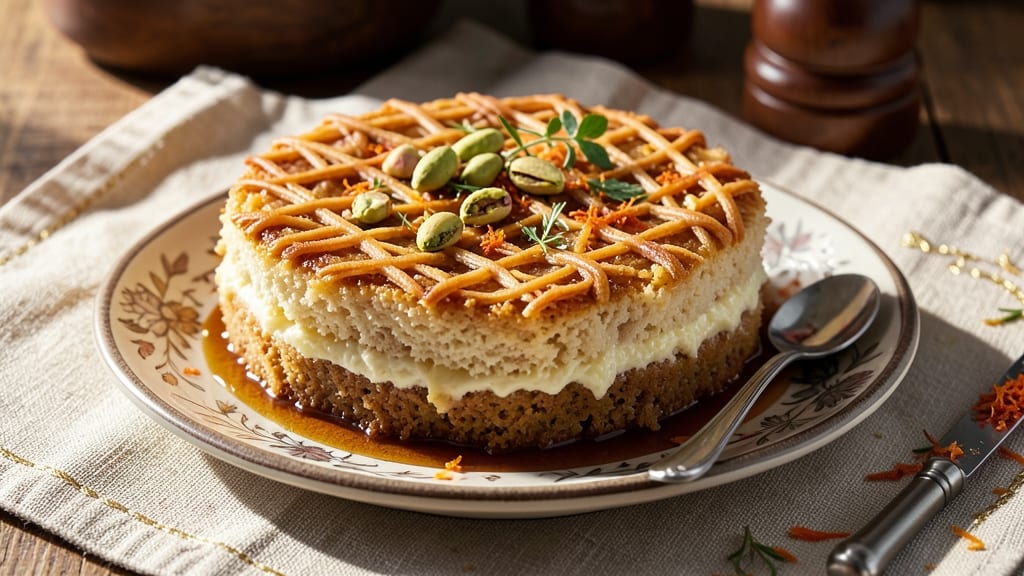
This Arabic semolina cake delivers layers of fragrant cardamom and bright orange zest that taste like a slice of Middle Eastern tradition. 💛 The secret lies in the perfect balance of semolina flour and butter, creating a tender yet slightly crumbly texture that's both comforting and elegant.
I developed this recipe after years of perfecting the technique for events where this cake is a must—Ramadan gatherings, weddings, and family celebrations where every bite carries meaning.
The recipe combines traditional elements with modern twists, using ground cardamom for warmth and orange zest for freshness. Unlike some semolina cakes that can be dry, this version stays moist thanks to a simple steaming technique during baking.
The layers are light yet substantial, with a subtle sweetness that lets the spices truly shine. What makes it special is how versatile it is—serve it plain dusted with powdered sugar, or add a layer of orange blossom water for an authentic touch.
By the time it comes out of the oven, you'll have a cake with a golden crust and tender interior, infused with the aromatic flavors of cardamom and citrus.
The texture is perfect—neither too dense nor too crumbly—and the scent alone will transport you to bustling markets in Cairo or Damascus. This is the kind of dessert that feels like a hug in cake form, rich with tradition yet simple enough for weeknight baking.
The beauty of this recipe is its ability to adapt—add chopped nuts for texture, a hint of vanilla for depth, or even a layer of chocolate for a modern twist.
It keeps beautifully for days, making it ideal for celebrations where you want to impress without spending hours in the kitchen. Let's bring a taste of the Arab world to your table with this fragrant, layered masterpiece.
Ingredients for arabic semolina cake
Twelve ingredients blend traditional Middle Eastern flavors with modern baking techniques for this elegant semolina cake.
| Ingredient | Amount | Notes |
|---|---|---|
| Semolina Flour 🌾 | 3 cups | Fine grind for tender texture |
| Unsalted Butter 🧈 | 1 ½ cups | Cold, cubed for even baking |
| Granulated Sugar 🍚 | 2 cups | Superfine preferred for smoothness |
| Large Eggs 🥚 | 6 whole | Room temperature for blending |
| Ground Cardamom 🌿 | 2 tsp | Freshly ground for aroma |
| Orange Zest 🍊 | 2 tbsp | Fresh, finely grated |
| Orange Blossom Water 💧 | 1 tbsp | Authentic Middle Eastern touch |
| Vanilla Extract 🌸 | 1 tbsp | Pure, high-quality preferred |
| All-Purpose Flour 🌾 | 1 ½ cups | For structural balance |
| Baking Powder 🍞 | 1 ½ tsp | Fresh for proper rise |
| Salt 🧂 | ½ tsp | Fine sea salt |
| Powdered Sugar 🍚 | ½ cup | For dusting finished cake |
| Water 💧 | ½ cup | For steaming technique |
The semolina flour is non-negotiable here—it's what gives this cake its signature tender-yet-crumbly texture. Bob's Red Mill or King Arthur brands are my go-tos for fine grind semolina, but check the packaging to confirm. For the butter, European-style (like Plugrá) has higher fat content, which is ideal for that rich mouthfeel. If you can't find it, regular unsalted butter works fine—just make sure it's cold when you cube it. The cardamom should be freshly ground (the pods keep for months in the freezer), and for the orange zest, use the outer layer only—no white pith. Whole Foods or specialty Middle Eastern markets often carry pre-ground cardamom and authentic orange blossom water if you don't want to DIY.
No cardamom? Cinnamon at half the amount gives warmth, though it won't be authentic. Substitute orange zest with lemon zest if needed, but the flavor profile will shift slightly. For the vanilla, imitation won't cut it—Madagascar bourbon or Tahitian extracts add depth. If you're feeling adventurous, swap half the semolina for almond flour for a nutty twist. The baking powder is crucial—if yours is old, test it with vinegar for freshness. For the steaming technique, use a steamer basket or place the cake pan in a water bath in the oven. This keeps the cake moist without being dense.
This cake stays fresh for 5 days at room temperature wrapped tightly in plastic, or 2 weeks in the fridge. For longer storage, freeze layers separately for up to 3 months. To reheat, wrap slices in a damp paper towel and warm for 10-15 seconds in the microwave. The orange blossom water adds authenticity but can be omitted if unavailable—just reduce the water in the steaming technique by the same amount. For serving, dust generously with powdered sugar and pair with Arabic coffee or mint tea for the full experience.
Why You'll Love This Recipe
- No-Fuss Mixing: I swear by this recipe because it’s literally a bowl-and-whisk situation. No sifting, no folding—just creaming butter and sugar, adding eggs one at a time, then folding in semolina until it’s just combined. That golden crumb? Zero effort, all reward.
- Cardamom Kiss: Honestly, the cardamom is what makes this cake feel special. A pinch of ground cardamom in the batter gives it this warm, floral depth that’s not too sweet—just enough to make it taste like a bakery treat, not a box mix. (Yes, even on a Tuesday night.)
- Weekend Breakfast or Dessert: This cake is my go-to for lazy mornings and impromptu gatherings. Serve it warm with a drizzle of honey and a dollop of clotted cream for breakfast, or dust it with powdered sugar for a light dessert. It’s that versatile.
- Budget-Friendly Staples: Between us, this recipe uses pantry basics—semolina, butter, sugar, eggs—that I always have on hand. No specialty ingredients, no markup. Plus, it keeps for days, so I bake one batch and enjoy it for ages without waste. Smart move.
Step-by-step instructions for fragrant cardamom and orange zest cake
Master this traditional technique for layers of tender semolina cake with aromatic cardamom and bright citrus notes.
👨🍳 Step 1: Prepare the Cake Batter with Precision
In a stand mixer fitted with the paddle attachment, cream together the 1.5 cups unsalted butter and 2 cups granulated sugar on medium speed for 5-7 minutes until light and fluffy. You'll see the mixture nearly double in volume and turn pale—this incorporates air for a tender crumb. Scrape down the sides of the bowl with a spatula to ensure even mixing.
Add the 6 whole large eggs, one at a time, mixing well after each addition until fully incorporated. Then whisk together the 2 tbsp orange zest, 1 tbsp orange blossom water, 1 tbsp vanilla extract, 2 tsp ground cardamom, 1.5 cups all-purpose flour, 1.5 tsp baking powder, and 0.5 tsp salt in a separate bowl. Gradually add the dry ingredients to the wet mixture on low speed, mixing just until combined—overmixing develops gluten and makes the cake dense. The batter should be smooth but slightly thick.
🍳 Step 2: Layer and Steam for Even Cooking
Preheat your oven to 350°F. Grease and line three 8-inch round cake pans with parchment paper. Divide the batter evenly among the pans, spreading it into the corners to create level layers. Place the pans in a large roasting tray and pour 0.5 cup water into the bottom of the tray. This steaming technique ensures the cake rises evenly and remains moist.
Bake for 30-35 minutes or until a toothpick inserted into the center comes out clean. The cakes should be golden on top but still slightly springy to the touch. Rotate the pans halfway through baking for even browning. Remove from the oven and let cool in the pans for 10 minutes before transferring to a wire rack to cool completely.
🥘 Step 3: Assemble with Powdered Sugar Glaze
Once the layers are completely cool, prepare the powdered sugar glaze by whisking together 0.5 cup powdered sugar with 1-2 tablespoons of water (start with 1 tablespoon and add more as needed) until smooth. Place the first layer on a serving plate and spread a thin, even layer of glaze on top. Repeat with the remaining layers, stacking them carefully and glazing each layer.
For an elegant finish, dust the top and sides of the cake with additional powdered sugar using a fine-mesh sieve. The glaze should be light and translucent, not thick or clumpy. Serve at room temperature to let the flavors fully develop—this cake tastes even better the next day as the cardamom and citrus infuse deeper.
Pro Tips For Making Arabic Semolina Cake
- Boil Butter First: The butter in this cake isn’t just fat—it’s the foundation. Melt it with the sugar first (no water) until it turns a deep golden amber, almost nutty. I learned this the hard way—skipping this step leaves the cake tasting flat and dry, like someone forgot the soul.
- Toast the Semolina: Don’t just dump it in. Toast the semolina in a dry pan over medium heat for 3-4 minutes, stirring constantly, until it smells toasty and nutty. This prevents a gummy texture and gives that classic semolina cake crunch. (Yes, it’s extra work, but your future self will notice.)
- Whisk Eggs Separately: Beat the eggs and sugar together after the butter-sugar mix cools slightly—around 100°F (38°C). Then, fold in the toasted semolina gently with a spatula to keep air pockets. I used to dump everything in the mixer, and the cake always turned dense. This keeps it light.
- Check for Doneness with a Toothpick: The cake’s done when the center is set but still slightly springy—not raw, not dry. If you pull out a toothpick and it comes out clean but the cake still jiggles, it needs 5 more minutes. Overbaking turns it into a brick. (I’ve made that mistake more times than I’ll admit.)
Serving suggestions for this recipe
Traditional Serving Style
This cake shines when served in thin slices on a gold-rimmed platter—a nod to Middle Eastern hospitality. I always dust the top with powdered sugar right before serving to highlight the cardamom's aroma.
For a refined touch, garnish with chopped pistachios or toasted almonds on the side. The contrast of crunchy nuts against the soft cake creates a perfect texture play. 💫
Beverage Pairings
Pair this cake with Arabic coffee (qahwa) for a classic combination—the cardamom in both drinks harmonizes beautifully. For a modern twist, serve with mint tea or espresso to balance the cake's richness.
I also love offering orange blossom-infused water on the side to refresh the palate between bites. The citrus notes in the cake complement the floral undertones perfectly.
Occasion Adaptations
For Ramadan Iftar, serve small slices with dates and sweet vermicelli (like in shakshuka). At weddings, stack the cake layers high and decorate with edible gold leaf for a luxurious look.
During Eid celebrations, pair it with baklava and turkish delight for a dessert spread that feels like a celebration in itself. The cake's versatility makes it perfect for any festive moment.
Modern Twists
Add a chocolate ganache drizzle between layers for a modern fusion take. I've also seen stunning results with a lemon curd filling—the bright acidity cuts through the cardamom's warmth. For a visual wow factor, use matcha powder to dust the top instead of sugar.
These variations keep the cake's traditional soul while making it feel fresh and exciting for contemporary palates.
Presentation Tips
Use stacked cake stands to create height and drama when serving. For a rustic touch, arrange slices on a wooden board with fresh orange slices scattered around.
If serving at a buffet, place the cake on a chilled platter—the cool surface makes cutting easier and keeps the cake fresh longer. The key is to make the presentation as inviting as the flavors. ✨
Nutrition facts
Frequently asked questions
Can I substitute semolina flour with regular flour?
The texture will change dramatically—semolina gives this cake its signature tender-yet-crumbly quality. For a close substitute, mix 1 cup semolina with 1 cup all-purpose flour, but expect a denser result. Traditional versions rely on semolina's unique texture, so don't skip it for authenticity.
Why does the recipe call for steaming the cake?
The steaming technique (water bath) creates a moist, even bake without making the cake dense. It's especially important for semolina cakes, which can dry out easily. The water evaporates during baking, keeping the layers tender. For best results, use a roasting tray with 0.5 cup water at the bottom.
How do I make this cake nut-free?
Skip the pistachio or almond garnishes and ensure all ingredients (like vanilla extract) are nut-free. The base recipe is naturally nut-free, but always check labels for cross-contamination warnings. For extra safety, use a dedicated nut-free kitchen space when preparing.
Can I bake this cake in a single layer instead of three?
Yes! Use one 9-inch round pan and reduce baking time to 25-30 minutes. The steaming technique still applies, but you may need to adjust the glaze amount slightly. A single layer works well for smaller gatherings or if you prefer a simpler presentation.
What if I don't have orange blossom water?
Don't worry—it's an authentic touch but not essential. Substitute with 1 teaspoon rose water or 1 teaspoon vanilla extract (double the amount). The citrus zest will still provide bright flavor. For a non-floral option, use 1 teaspoon lemon juice instead.