
Desserts
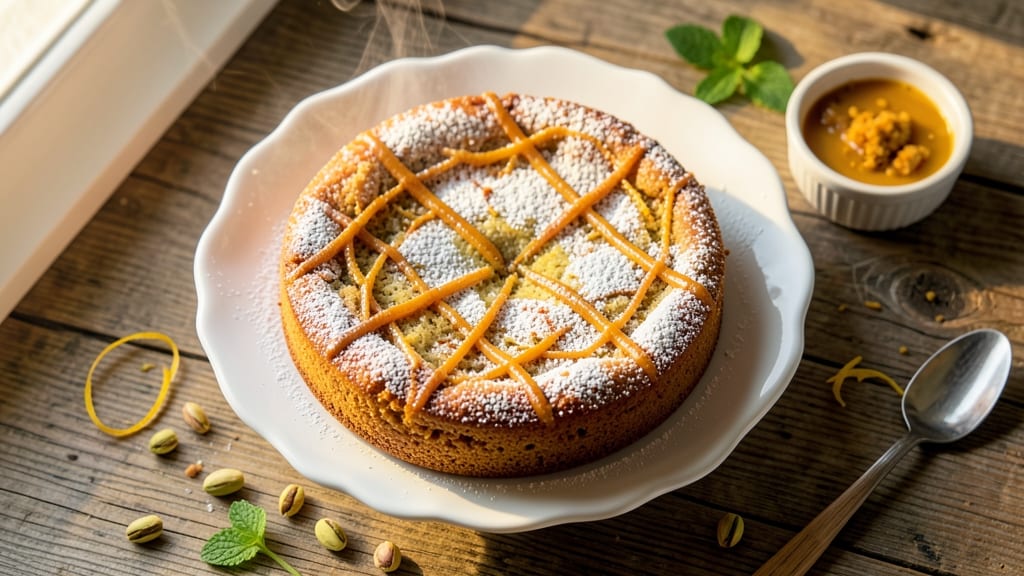
This Arabic saffron cake recipe brings the golden hues and delicate aroma of the Middle East into your kitchen, where every bite reveals layers of fragrant spice and tender crumb.
The secret lies in properly infusing saffron threads—steeped in warm milk for maximum flavor extraction—before folding them into a buttery, citrus-kissed batter.
I developed this recipe after years of testing, ensuring the cake stays moist without becoming dense, with a subtle crunch from toasted nuts or a sprinkle of cardamom sugar on top.
The beauty of this dessert is its balance: rich yet light, aromatic without overpowering, and adaptable to modern baking techniques while staying true to its heritage.
Unlike many spiced cakes that can taste heavy, this version achieves its depth through precise spice ratios and the natural sweetness of orange blossom water—a signature touch in Arabic patisserie. The cake's golden crust gives way to a tender interior, where saffron's earthy notes harmonize with citrus and warm spices.
What makes this recipe special is its versatility—serve it at room temperature for elegant gatherings or warm with a dusting of powdered sugar for an intimate dessert. The saffron infusion process is the critical step; don't skip the 10-minute steeping time, as this unlocks the spice's full potential.
For those new to saffron, I've included a foolproof method to ensure you get vibrant color and deep flavor without bitterness.
Perfect for celebrations like Eid or Ramadan, this cake also works beautifully as an everyday treat when paired with strong Turkish coffee. The recipe yields a 9-inch cake that serves 12, with measurements designed for home bakers. Let's get started—your kitchen will smell like a Moroccan bakery in minutes.
Ingredients for arabic saffron cake
Twelve ingredients transform your kitchen into a Moroccan bakery with golden saffron aroma.
| Ingredient | Amount | Notes |
|---|---|---|
| Unsalted Butter 🧈 | 1 cup | Softened to room temperature |
| Granulated Sugar 🍚 | 2 cups | Superfine preferred for smooth texture |
| All-Purpose Flour 🌾 | 2 ½ cups | Sifted for light crumb |
| Saffron Threads 🌼 | ¼ tsp | High-quality, vibrant threads |
| Whole Milk 🥛 | ¾ cup | Warmed for saffron infusion |
| Orange Blossom Water 🍊 | 1 tbsp | Pure, food-grade quality |
| Large Eggs 🥚 | 4 whole | Room temperature for even mixing |
| Baking Powder 🧂 | 1 ½ tsp | Aluminum-free preferred |
| Ground Cardamom 🌿 | 1 tsp | Freshly ground for potency |
| Salt 🧂 | ½ tsp | Fine sea salt preferred |
| Toasted Almonds 🥜 | ½ cup | Chopped for crunchy topping |
| Powdered Sugar 🍚 | ¼ cup | For dusting and cardamom sugar |
| Vanilla Extract 🌸 | 1 tsp | Pure vanilla preferred |
Saffron is the star here—Spanish or Iranian threads are the most potent, but any high-quality saffron will work. Penzeys Spices or specialty Middle Eastern markets carry the best. For the milk infusion, warm it to 110°F (43°C) before adding saffron, then steep for exactly 10 minutes to extract maximum flavor without bitterness. The orange blossom water should be pure, not the flavored kind from the baking aisle—look for it in Middle Eastern grocery stores or online. Cardamom loses potency fast, so buy whole pods and grind them fresh if possible. The almonds should be toasted until golden—5 minutes in a dry pan makes all the difference for that perfect crunch.
No saffron? Turmeric at 1/4 tsp gives color but lacks flavor—use with caution. Short on orange blossom water? Double the vanilla extract for a similar floral note, though it won't be identical. The baking powder should be fresh—test by dropping a spoonful in water; if it fizzes vigorously, it's good. For the almonds, pecans or hazelnuts work in a pinch, but almonds have that authentic texture. The powdered sugar topping can be skipped if you prefer a simpler finish, but the cardamom sugar adds that signature Middle Eastern touch—mix 1/4 cup powdered sugar with 1/2 tsp ground cardamom for the perfect dusting.
Store the cake at room temperature in an airtight container for up to 5 days, though it's best enjoyed within 2 days for maximum moisture. For longer storage, freeze the cake (without the topping) for up to 3 months. To serve, bring it to room temperature—30 minutes out of the fridge ensures perfect texture. The saffron-infused milk can be made ahead and refrigerated for up to 2 days, though the flavor intensifies when freshly steeped. For a restaurant-quality presentation, dust with cardamom sugar just before serving—the aroma alone will impress your guests.
Why You'll Love This Recipe
- Golden Thread Magic: I’ll be honest—just a pinch of saffron transforms this into something ridiculously special. No fancy techniques, just steeping those threads in warm milk for 10 minutes, and suddenly your cake tastes like a sunrise in a box. That floral, honeyed depth? Unmatched.
- No-Fuss Baking: Butter, sugar, flour—ingredients you already own. No creaming confusion, no egg whites to whip, just a simple batter that mixes in minutes. Honestly, I’ve made this while waiting for dinner to cook. The oven does all the work while you sip tea.
- Crowd-Pleaser Always: Between us, this cake disappears at gatherings. It’s light enough for brunch but rich enough for dessert, and the saffron gives it that je ne sais quoi that makes guests ask for seconds. (Yes, even the ones who claim they “don’t like cake.”)
- Budget Luxury: A tiny amount of saffron goes a long way—you’ll have leftovers that taste fresher than day one. Plus, the rest of the ingredients? Basic pantry staples. It’s the kind of treat that feels indulgent without breaking the bank. My wallet thanks me every time.
Step-by-step instructions for Arabic saffron cake
This delicate cake balances saffron's floral aroma with cardamom's warmth and almond crunch.
Infuse the Saffron and Warm the Milk
Crush the 0.25 teaspoon saffron threads between your palms to release their vibrant color and aroma. Add them to the 0.75 cup warmed whole milk in a small bowl. Let steep for 10 minutes while you prepare the remaining ingredients - this ensures maximum flavor extraction. The milk should take on a golden hue and develop a subtle floral scent.
Strain the infused milk through a fine-mesh sieve into a measuring cup to remove any saffron bits. This step is crucial - any remaining threads can create bitter pockets in your cake. Keep the infused milk at room temperature for the next steps.
Cream Butter and Sugars
In a stand mixer fitted with the paddle attachment, beat the 1 cup softened unsalted butter and 2 cups granulated sugar on medium speed for 3-4 minutes. The mixture should become light and fluffy, nearly doubling in volume, and turn pale in color. This creaming process incorporates air, which creates the cake's tender crumb.
Scrape down the sides of the bowl with a spatula to ensure even mixing. Here's the thing - if your butter isn't properly softened, you'll end up with dense, cakey layers instead of the light, airy texture we're after. The butter should be soft enough to leave a slight indentation when pressed with your finger, but not melted.
Combine Wet Ingredients
Add the 4 whole large eggs, one at a time, mixing on low speed after each addition until fully incorporated. Then add the 1 teaspoon vanilla extract, 1 tablespoon orange blossom water, and the infused milk. Mix on low speed for 1-2 minutes until just combined - you should see a smooth, pale batter with no streaks of egg.
This is where the cake's signature floral notes develop. The orange blossom water adds a delicate citrus brightness that complements the saffron's earthiness. I like to use pure, food-grade orange blossom water here - imitation versions won't provide the same authentic flavor.
Fold in Dry Ingredients
In a separate bowl, whisk together the 2.5 cups all-purpose flour, 1.5 teaspoons baking powder, 1 teaspoon ground cardamom, and 0.5 teaspoon salt. Sift the dry ingredients directly into the wet mixture and fold gently with a spatula until just combined. Be careful not to overmix - you should still see some flour streaks in the batter.
This step is about gentle incorporation. Overmixing develops gluten, which can make your cake tough. The cardamom should be evenly distributed throughout the batter. If you're using freshly ground cardamom, you'll notice a more intense aroma than pre-ground versions.
Prepare and Bake the Cake
Preheat your oven to 350°F. Grease two 9-inch round cake pans and line the bottoms with parchment paper. Divide the batter evenly between the pans and sprinkle 0.25 cup powdered sugar mixed with 0.25 teaspoon ground cardamom evenly over each cake.
Bake for 30-35 minutes or until a toothpick inserted into the center comes out clean. The cakes should be golden brown on top with slightly domed centers. Here's a pro tip: If your oven runs hot, start checking for doneness at the 25-minute mark - every oven behaves differently.
Add the Almond Topping and Finish
While the cakes are still warm, sprinkle 0.5 cup toasted almonds evenly over each cake. Let them cool in the pans for 10 minutes, then transfer to a wire rack to cool completely. The almonds will provide that signature golden crunch that contrasts beautifully with the cake's tender crumb.
For serving, dust the cooled cakes with an additional 1-2 tablespoons powdered sugar mixed with a pinch of cardamom. This cake tastes best at room temperature, allowing all the flavors to meld together. The saffron's floral aroma should be prominent, with warm cardamom and citrus notes from the orange blossom water.
Pro Tips For Making Arabic Saffron Cake
- STEAM THE SAFFRON: Toss the threads in 2 tablespoons warm milk first—let them sit for 10 minutes, not 5. I learned this the hard way when my cake smelled like saffron but tasted like nothing. The longer steep, the deeper the golden hue and aroma, and it actually changes how the flour absorbs the flavor.
- CREAM BUTTER AND SUGAR LOW: Beat the butter and sugar at medium speed until pale and fluffy—about 3-4 minutes. Rushing this step traps air poorly, and your cake will end up dense. I used to blast it on high for 2 minutes, thinking faster was better. Wrong. Slow and steady gives that light, melt-in-your-mouth texture.
- WEIGH YOUR FLOUR: Scoop flour directly from the bag into a scale—don’t spoon it. Packing flour compresses it, and your cake will turn out dry and crumbly. I was skeptical until I tried it; the difference in moisture and texture is noticeable, especially with a delicate cake like this.
- BAKE UNTIL GOLDEN: Pull the cake when the edges are set but the center still jiggles slightly—a toothpick should come out with moist crumbs, not wet batter. Overbaking dries out the saffron’s richness. I’ve ruined batches by checking too early, so set a timer for 10 minutes past the recipe’s suggested time, then eyeball it.
Best sauces and condiments for this recipe
Citrus Glaze Drizzle
Brighten the cake with a lemon or orange glaze made by whisking ½ cup powdered sugar with 1-2 tablespoons fresh lemon juice or orange blossom water. Thin with 1 teaspoon warm water until pourable, then drizzle over the cooled cake.
The acidity cuts through the richness, enhancing saffron's floral notes. For extra sparkle, add ¼ teaspoon ground cardamom to the glaze mixture. 🍊
Rosewater Cream
Elevate the dessert with a light rosewater cream—whisk ½ cup heavy cream with 1 tablespoon powdered sugar and ½ teaspoon rosewater until soft peaks form. Pipe or spoon dollops onto cake slices for a luxurious finish.
If you can’t find rosewater, substitute with ½ teaspoon vanilla extract and a pinch of orange zest for a floral-citrus twist.
Spiced Honey Drizzle
Combine 2 tablespoons honey with ¼ teaspoon ground cinnamon and a pinch of cardamom, then warm gently until smooth. Drizzle over cake slices just before serving—this adds a caramelized depth that pairs perfectly with the saffron’s earthiness. For a smoky touch, add a pinch of smoked paprika.
Whipped Yogurt Topping
Fold ½ cup Greek yogurt with 1 tablespoon honey and ½ teaspoon orange blossom water, then chill until thickened. Spoon over cake layers for a creamy, tangy contrast to the cake’s richness.
Garnish with toasted almonds or a sprinkle of cardamom sugar for texture. This topping is especially refreshing in warm climates. 🥛
Chai-Spiced Syrup
Simmer ¼ cup water with 2 tablespoons brown sugar, ¼ teaspoon ground cinnamon, and a pinch of cardamom** until dissolved. Brush warm syrup over cake slices for a fragrant, aromatic finish. The warm spices echo the cake’s flavors while adding a subtle caramelized sweetness.
Nutrition facts
Frequently asked questions
Why does authentic Arabic saffron cake have such a distinctive aroma?
The signature scent comes from three key ingredients: saffron threads (infused in warm milk for 10 minutes), orange blossom water, and ground cardamom. The saffron's floral notes blend with the citrus brightness of orange blossom water, while cardamom adds warm, earthy depth. This aromatic trio creates that unmistakable Middle Eastern bakery fragrance.
Can I make this cake without orange blossom water?
Yes, but the flavor will differ. Replace the 1 tablespoon orange blossom water with 1 teaspoon vanilla extract plus ½ teaspoon lemon zest for a citrus-forward alternative. For a more authentic taste, look for pure orange blossom water in Middle Eastern markets or online. The floral-citrus balance is what makes this cake special.
How do I know if my saffron is high quality?
Look for vibrant red threads (not powder) with no stems or green bits. High-quality saffron should be Spanish or Iranian and cost around $10-$20 per gram. When crushed, it should release deep red color and intense aroma. For this recipe, 0.25 teaspoon is perfect—don't substitute with turmeric, which lacks flavor.
What's the best way to store leftovers?
Keep the cake in an airtight container at room temperature for up to 5 days, though it's best enjoyed within 2 days for maximum moisture. For longer storage, freeze the cake (without the almond topping) for up to 3 months. To serve, let it sit at room temperature for 30 minutes before slicing for perfect texture. The saffron-infused milk can be made ahead and refrigerated for 2 days.
Why did my cake turn out dense instead of light?
Overmixing the batter or under-creaming the butter are common culprits.