
Desserts
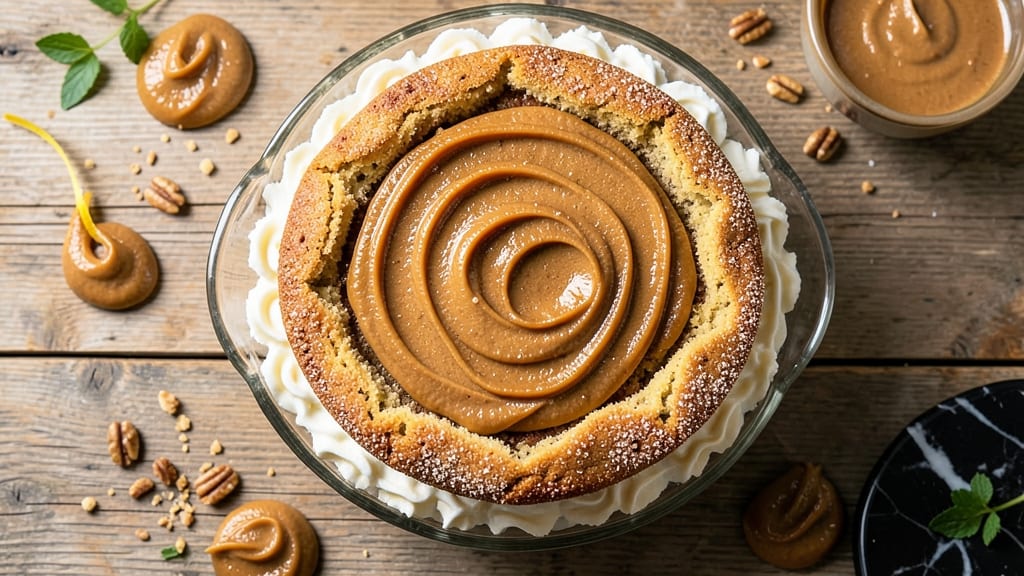
This applebutter cake recipe delivers a perfect balance of tender crumb, warm spice swirls, and a buttery crust that feels like autumn in every bite.
The secret lies in the apple butter—its natural sweetness and subtle tang cut through the richness of the cake while adding depth that store-bought frostings can’t match.
I’ve perfected this recipe to ensure moist layers and a crust that’s crisp enough to hold its shape but tender enough to melt in your mouth.
The magic happens in the layers: a buttery crust that bakes to golden perfection, a cake batter infused with cinnamon and nutmeg for warmth, and swirls of spiced apple butter that keep the texture rich without weighing it down.
Unlike traditional cakes, this one relies on the apple butter not just for flavor but for structure—its natural pectin helps bind the layers, creating a cake that stays moist for days. The result? A dessert that’s elegant enough for gatherings but simple enough for a weeknight treat.
What makes this recipe stand out is the way the apple butter transforms a classic cake into something truly special. The spice swirls create pockets of caramelized flavor with every slice, while the crust adds a satisfying crunch that contrasts beautifully with the soft cake.
It’s the kind of dessert that disappears quickly—whether you’re serving it at a brunch or saving it for your own indulgence. The best part? You can customize it with optional frostings or garnishes to suit any occasion.
Ready to bake a cake that tastes like comfort and celebration? This recipe delivers restaurant-quality results with just a few simple ingredients and a little patience. The layers come together effortlessly, and the final product is worth every minute of baking. Let’s get started—your taste buds will thank you.
Ingredients for applebutter cake
Just 12 ingredients for a cake that tastes like autumn in every bite.
| Ingredient | Amount | Notes |
|---|---|---|
| All-Purpose Flour 🌾 | 3 cups | Sifted for fluffier texture |
| Granulated Sugar 🍚 | 2 cups | White or light brown |
| Unsalted Butter 🧈 | 1 ½ cups | Cold, cubed for crust |
| Large Eggs 🥚 | 2 whole | Room temperature |
| Vanilla Extract 🌸 | 2 tsp | Pure, not imitation |
| Baking Powder 🧂 | 2 tsp | Aluminum-free preferred |
| Ground Cinnamon 🌿 | 1 ½ tsp | Freshly ground preferred |
| Ground Nutmeg 🌿 | ½ tsp | Freshly grated nutmeg |
| Salt 🧂 | ½ tsp | Fine sea salt |
| Apple Butter 🍎 | 1 ½ cups | Unsweetened, smooth texture |
| Whole Milk 🥛 | ½ cup | Room temperature |
| Coarse Sugar 🍚 | ¼ cup | For sprinkling on crust |
The apple butter is non-negotiable here—unsweetened, smooth varieties like Molly’s or Wright’s work best. Skip the chunky kind unless you’re okay with texture surprises. For the crust, cold butter is key—it creates those perfect flaky layers. I grab my butter from Whole Foods because it’s consistently high-quality, but any good brand works. The coarse sugar on top isn’t just for looks—it adds a satisfying crunch that balances the soft cake. If you’re feeling fancy, toast your spices (cinnamon and nutmeg) in a dry pan for 30 seconds before adding—they’ll sing in this recipe.
No apple butter? Homemade spiced applesauce works in a pinch—just add 1 tsp cinnamon and 0.25 tsp nutmeg to 1.5 cups unsweetened applesauce. Running low on vanilla? Vanilla bean paste gives extra depth. The milk can be swapped for buttermilk or even almond milk, though the texture might shift slightly. For the crust, if you’re missing coarse sugar, turbinado sugar is the next best thing. And if you’re feeling adventurous, swap half the flour for whole wheat pastry flour—the cake stays tender but gains a nutty richness.
This cake keeps beautifully—3 days at room temperature wrapped in plastic, or 5 days in the fridge for maximum freshness. For longer storage, freeze individual layers (wrapped tightly) for up to 3 months. I always bake an extra layer—it makes the perfect breakfast toast the next morning. The crust stays crisp for about 2 hours after baking, so if you’re making it ahead, cover it loosely with foil to keep it fresh until serving. Trust me, the leftovers disappear faster than you can say ‘spice swirls.’
Why You'll Love This Recipe
- No Mixer Needed: I swear by this recipe when my mixer’s on the fritz—just cream butter and sugar by hand until it’s light and fluffy. The eggs and vanilla blend right in with minimal effort, and the flour comes together like a dream. (Yes, even if you’re not a baking pro.)
- Spiced Warmth Every Bite: That apple butter isn’t just a topping—it’s the star. The rich, caramelized notes of cinnamon and brown sugar melt into the tender crumb, giving you a cake that tastes like autumn in every slice. Honestly, I’ve never met a vanilla extract that could compete with that depth.
- Weeknight or Holiday Ready: This cake bakes up in one bowl, so I can pull it together while dinner simmers. Serve it plain for a cozy breakfast, drizzle with extra apple butter for dessert, or frost it with cream cheese for a showstopper at a potluck. (It’s my go-to for book club gatherings.)
- Budget-Friendly Leftovers: A single batch feeds six, but the slices keep beautifully for days—moist thanks to the butter and eggs, not dry or stale. I’ll be real: the second day is often the best, when the flavors meld even more. And with pantry staples like flour and sugar, it’s a steal for what you get.
Step-by-step instructions for applebutter cake
Here's how to bake a moist cake with a buttery crust and warm spice swirls—every layer packed with flavor.
Prep Ingredients for Perfect Texture
Start by sifting the 3 cups all-purpose flour with the 2 tsp baking powder, 1.5 tsp ground cinnamon, 0.5 tsp ground nutmeg, and 0.5 tsp salt in a large bowl. This ensures no lumps and creates a light, airy crumb. In a separate bowl, whisk together the 2 cups granulated sugar, 2 whole large eggs, 2 tsp vanilla extract, and 0.5 cup whole milk until smooth and fully combined.
Next, take the 1.5 cups unsalted butter out of the fridge and cut it into ½-inch cubes. Chill the 1.5 cups apple butter for 15 minutes—this helps it blend more smoothly into the batter. Preheat your oven to 350°F and grease two 9-inch round cake pans with butter and line the bottoms with parchment paper. This prevents sticking and makes cleanup a breeze.
Mix the Batter and Create the Swirl
Gradually add the dry ingredients to the wet mixture, mixing on low speed just until combined—you should still see a few streaks of flour. The goal here is to avoid overmixing, which can make the cake dense. Once fully incorporated, fold in 1 cup of the apple butter using a spatula. This keeps the swirls distinct and flavorful.
Divide the batter evenly between the two prepared pans. For the swirl effect, drop spoonfuls of the remaining ½ cup apple butter onto the batter in each pan, then gently swirl with a knife or skewer. This creates beautiful marbled streaks throughout the cake. Sprinkle the pans with the ¼ cup coarse sugar for a sweet, crunchy crust.
Bake Until Golden and Springy
Place the pans in the preheated oven and bake for 25-30 minutes, or until a toothpick inserted into the center comes out clean. The edges should be golden brown, and the top should spring back slightly when pressed. If the cake browns too quickly, tent the pans with aluminum foil to prevent over-browning. Rotate the pans halfway through baking for even heat distribution.
Once done, let the cakes cool in the pans for 10 minutes, then transfer them to a wire rack to cool completely. This step is crucial—cooling too quickly can cause the cakes to crack. While they cool, make a simple glaze by mixing ½ cup powdered sugar with 1-2 tablespoons milk until smooth. Drizzle this over the cooled cakes for extra shine and sweetness.
Assemble and Serve
Once fully cooled, place one cake layer on a serving plate and spread a thin layer of the reserved ½ cup apple butter on top. This adds extra flavor and helps the layers stick together. Place the second cake layer on top and gently press down. For a polished look, you can dust the top with powdered sugar or add a few extra dollops of apple butter around the edges.
Slice into wedges and serve warm or at room temperature. The contrast of the moist cake, buttery crust, and warm spice swirls makes every bite irresistible. Pair it with a cup of tea or coffee for the perfect cozy treat.
Pro Tips For Making Applebutter Cake
- MIX DRY INGREDIENTS FIRST: DESCRIPTION:
- USE ROOM-TEMP BUTTER: DESCRIPTION:
- DON’T OVERMIX THE BATTER: DESCRIPTION:
- BAKE UNTIL SPRINGY: DESCRIPTION:
Common mistakes when making your applebutter cake
Overmixing the Batter
I can’t stress enough how easy it is to overmix this batter, especially when you’re eager to get baking. Mixing the dry ingredients into the wet mixture until completely smooth creates a dense, tough cake. Instead, stop mixing when you still see a few flour streaks—this ensures a tender crumb.
I’ve ruined more cakes than I’d like to admit by overmixing, so trust the process and resist the urge to stir until everything looks perfect. 🌾
Skipping the Chill
Chilling the apple butter for 15 minutes before using it is a game-changer. Unchilled apple butter can make the batter too warm, causing the butter in the crust to melt too quickly and lose its flaky texture.
If you’re in a rush, at least let it sit at room temperature for 5 minutes—it makes a noticeable difference in the final crust. I’ve learned this the hard way after baking a cake with room-temperature apple butter and ending up with a sad, flat crust.
Uneven Swirls
The swirl effect is what makes this cake special, but it’s easy to mess up. Dropping spoonfuls of apple butter too close together or not swirling evenly can lead to clumpy pockets of flavor instead of beautiful marbling.
Use a knife or skewer to gently drag the apple butter through the batter in smooth, even strokes. Think of it like painting—you want those streaks to flow naturally. Practice makes perfect, and a little patience goes a long way here. 🎨
Overbaking the Cake
It’s tempting to pull the cake out of the oven as soon as it looks done, but overbaking is a common mistake. The cake should have a springy texture when pressed gently, and a toothpick should come out clean (or with a few moist crumbs).
Overbaking dries out the cake and makes it crumbly. If your oven runs hot, reduce the temperature by 25°F or tent the pans with foil to prevent over-browning. I’ve had to salvage cakes that were baked just 2 minutes too long—trust the toothpick test!
Ignoring the Coarse Sugar
The coarse sugar on top isn’t just for decoration—it adds a delightful crunch that balances the soft cake. Skipping it or using fine sugar will leave you with a cake that lacks that satisfying texture contrast. If you’re out of coarse sugar, turbinado sugar is a great substitute.
Sprinkle it evenly over the batter before baking, and don’t press it down—let it melt slightly into the top for the best effect. It’s a small detail, but it makes a big difference in the final bite. 🍚
Rushing the Cooling
Transferring the cake to a wire rack too soon is a surefire way to end up with cracks or a collapsed center. Let the cakes cool in their pans for 10 minutes before removing them—this helps them set properly. Rushing this step can lead to a cake that falls apart when you try to slice it. Patience here ensures clean layers and a stable structure. I’ve had to reassemble cakes that were sliced too early, and it’s not a pretty sight. Take the extra 10 minutes—it’s worth it!
Nutrition facts
Frequently asked questions
Can I make this apple butter cake without a buttery crust?
The crust is what gives this cake its signature texture, but you can absolutely skip it! Replace the crust layer with an extra ½-inch thick layer of cake batter in each pan. Just reduce the total batter by 1 cup to maintain balance. The spice swirls will still shine through, though the texture will be more uniform. For extra richness, brush the top with melted butter before baking.
How do I store leftover apple butter cake?
Wrap individual slices tightly in plastic wrap or store the whole cake in an airtight container at room temperature for 3 days. For longer storage, refrigerate for up to 5 days or freeze layers (wrapped individually) for 3 months. Thaw overnight in the fridge—never at room temperature. The cake actually improves after 24 hours as flavors meld!
Can I substitute apple butter with applesauce?
Yes, but with adjustments! Use 1.5 cups unsweetened applesauce plus 1 tsp cinnamon and ¼ tsp nutmeg to mimic apple butter's depth. For texture, add ½ tsp xanthan gum to thicken it slightly. The flavor will be milder, but still delicious. For best results, choose unsweetened applesauce without added spices—you control the seasoning here.
Why does my cake taste dry?
Dryness usually means overbaking or using too much flour. Check your oven temperature with an oven thermometer—many run hot! Bake until a toothpick comes out with moist crumbs (not clean). For extra moisture, brush warm layers with simple syrup (equal parts sugar and water) before assembling. The apple butter's natural pectin helps retain moisture, so ensure you're using a smooth, unsweetened variety.
What's the best way to serve this cake?
Warm slices pair perfectly with vanilla ice cream or whipped cream, but it's equally lovely at room temperature. For a fancy touch, dust with powdered sugar or add a dollop of spiced whipped cream (whip cream with ½ tsp cinnamon). Serve with hot chai tea or coffee to highlight the warm spices. The cake's natural sweetness makes it great for brunch or dessert—no frosting needed!