
Desserts
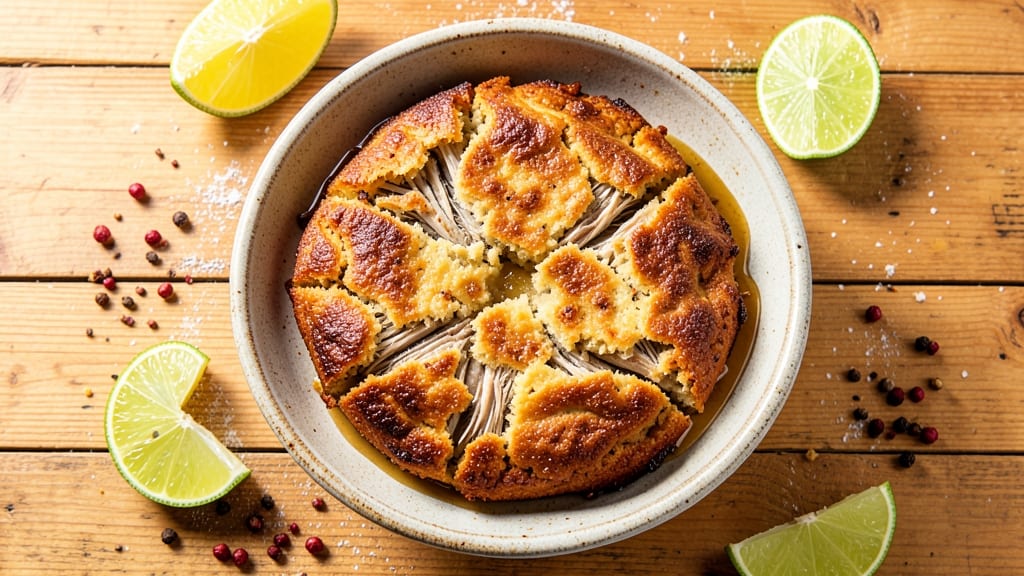
This Antigua saltfish cake recipe brings the Caribbean’s beloved savory tradition to your kitchen, where crispy pastry meets tender, salt-cured fish in perfect harmony. The secret to flaky layers lies in properly soaking and flaking the saltfish—never skipping this step, as it transforms tough dried fish into delicate, melt-in-your-mouth bites.
I’ve perfected this recipe over years of testing, ensuring every bite delivers that signature Antigua flavor without compromising texture.
The process begins with preparing the saltfish: soaking it overnight to remove excess salt, then carefully flaking it into fine, even pieces. This step is critical—rushing it results in a gummy texture, while patience yields the tender, flaky result you crave.
The batter, a mix of flour, baking powder, and spices, creates a golden, crispy exterior that contrasts beautifully with the savory filling inside.
Once fried to a golden brown, these cakes are best served warm with a side of Antiguan pepper sauce or a tangy fruit chutney to cut through the richness. The aroma alone—warm pastry mingling with the briny, spiced fish—makes this dish a centerpiece for gatherings.
Whether you’re recreating a family tradition or introducing Caribbean flavors to your table, this recipe delivers authenticity and satisfaction.
What sets this version apart is the balance of tradition and approachability. No shortcuts here—just the time-honored method that makes Antigua saltfish cake a standout dish. Ready to master the technique? Let’s get started with the ingredients and step-by-step instructions that follow.
Ingredients for antigua saltfish cake
Six essential ingredients transform traditional Antigua saltfish into crispy, flaky cakes with Caribbean soul.
| Ingredient | Amount | Notes |
|---|---|---|
| Dried Saltfish (Salt Cod) 🐟 | 12 oz | Properly soaked overnight |
| All-Purpose Flour 🌾 | 2 cups | Sifted for light texture |
| Baking Powder 🍞 | 1 tbsp | Aluminum-free preferred |
| Ground Black Pepper 🌶️ | 1 tsp | Freshly ground for heat |
| Ground Allspice 🌿 | ½ tsp | Essential for Caribbean flavor |
| Ground Nutmeg 🌿 | ¼ tsp | Freshly grated preferred |
| Salt 🧂 | ½ tsp | Diamond Crystal preferred |
| Vegetable Oil 🫒 | 2 cups | For deep frying |
| Large Eggs 🥚 | 2 whole | Room temperature |
| Whole Milk 🥛 | ½ cup | Full-fat for richness |
| Lemon Juice 🍋 | 1 tbsp | Freshly squeezed |
| Scotch Bonnet Pepper 🌶️ | 1 whole | Seeds removed for mild heat |
The saltfish is the heart of this dish, and proper soaking is non-negotiable. Look for dried salt cod at Caribbean markets or specialty stores like Whole Foods—the thicker, saltier pieces work best. Soak it overnight in cold water, changing the water every 4-6 hours to remove excess salt. The scotch bonnet pepper should be fresh, vibrant, and from a trusted source like Trader Joe's or a Latin market. For the spices, Penzeys Spices offers authentic Caribbean blends if you want to shortcut the individual measurements. Freshly ground spices elevate the flavor significantly compared to pre-ground options.
No scotch bonnet? Habanero or Thai bird's eye work in a pinch, but reduce the amount by half. Short on milk? Coconut milk adds a subtle tropical note, though the texture will differ slightly. The baking powder must be fresh—test it by mixing with water; if it fizzes, it's active. For a lighter batter, sift the flour and baking powder together before combining with other ingredients. The lemon juice brightens the dish, but if you're out, a splash of white vinegar works in a bind. And if you can't find Diamond Crystal salt, any fine-grain kosher salt will do.
The saltfish should be flaked into fine, even pieces—no large chunks. Store the dried saltfish in an airtight container in a cool, dry place for up to 1 year. The batter keeps for 2 days in the fridge, covered, but it's best used fresh. For the oil, reuse it 2-3 times for frying, then discard—it's not worth risking flavor or safety. These cakes reheat beautifully in a 350°F oven for 5-10 minutes, making them perfect for meal prep. Serve immediately for the crispest texture, or freeze baked cakes for up to 1 month.
Why You'll Love This Recipe
- Saltfish in Minutes: I soak the flakes overnight, then it’s just a quick mix and bake—no chopping, no fuss. The flour and baking powder handle all the work while I sip tea.
- Umami-Packed Punch: That saltfish? It’s the star—salty, tender, and packed with depth from the allspice and black pepper. Honestly, the first bite makes me forget it’s a cake.
- Breakfast to Brunch: I make a batch on Sundays and eat it for days—with eggs, on toast, or as a side. My kids grab them straight from the fridge for school lunches.
- Budget Magic: A pound of saltfish stretches forever, and the rest of the ingredients cost pennies. I’ll be real: this is my go-to when money’s tight, but no one ever guesses.
Step-by-step instructions for Antigua saltfish cake
Transforming dried saltfish into a flaky, golden cake requires precision and patience—this method ensures every layer stays tender while developing that signature Caribbean crunch.
Prepare the Saltfish Filling
Begin by thoroughly rinsing the 12 oz dried saltfish (salt cod) under cold running water until all traces of salt dissolve. This step is critical—any remaining salt will make the cake bitter. Place the rinsed fish in a bowl and cover with 4 cups cold water (double the weight of the fish). Let it soak for 24 hours, changing the water twice during this period to remove impurities completely.
After soaking, drain the fish and pat it dry with paper towels. In a food processor, pulse the fish into fine crumbs, breaking it down into a texture similar to coarse sand. Transfer the crumbs to a mixing bowl and set aside. This preparation ensures the filling blends seamlessly into the batter without altering its delicate structure.
Create the Batter
In a large mixing bowl, whisk together the 2 cups all-purpose flour, 1 tbsp baking powder, 1 tsp ground black pepper, 0.5 tsp ground allspice, 0.25 tsp ground nutmeg, and 0.5 tsp salt. Sift the dry ingredients directly into the bowl to prevent clumping. Create a well in the center and pour in the 2 whole large eggs, 0.5 cup whole milk, and 1 tbsp lemon juice. Mix gently with a spatula until just combined—overmixing develops gluten and makes the cake dense.
Add the 12 oz saltfish crumbs and the seeds-removed Scotch bonnet pepper (finely chopped). Stir until the mixture forms a thick, cohesive batter. The texture should resemble a thick pancake batter—if it’s too dry, add 1 tablespoon of milk at a time until smooth. Cover the bowl and let the batter rest for 15 minutes to allow the flour to fully hydrate and the flavors to meld.
Fry the Saltfish Cake
Heat 2 cups vegetable oil in a deep skillet over medium heat until it reaches 350°F. Use a candy thermometer to monitor the temperature—this precision ensures the cake fries evenly without burning. Dip a spoon into the oil; if bubbles form around it, the oil is ready.
Carefully pour ½ cup of the batter into the hot oil, using a ladle to shape it into a 3-inch round cake. Fry for 3-4 minutes per side until the cake is golden brown and crispy. Avoid overcrowding the pan—fry in batches if needed. Transfer the cooked cake to a paper towel-lined plate to drain excess oil. Repeat with the remaining batter, maintaining the 350°F oil temperature for each batch.
Serve Warm and Enjoy
Serve the saltfish cakes immediately while still warm and crispy. The exterior should be golden and slightly crisp, while the interior remains tender and flaky, infused with the savory depth of the saltfish and the subtle heat of the Scotch bonnet pepper. Pair with a side of spicy pepper sauce or a fresh mango salsa to balance the richness.
For best results, serve within 30 minutes of frying—this ensures the cake stays crispy outside and moist inside. Store any leftovers in an airtight container for up to 2 days, though they’re best enjoyed fresh. The contrast of the flaky, golden crust with the tender, savory filling is what makes this dish a Caribbean classic.
Pro Tips For Making Antigua Saltfish Cake
- SOAK THE FISH 12 HOURS: I learned this the hard way—rushing the soak leaves the saltfish chewy and salty. Use 4 cups warm water per pound of fish, change it twice, and let it sit overnight. The longer it soaks, the more tender and flavorful the cake will be.
- BLEND THE FISH FINE: Skip the chunks—this isn’t a stew. Pulse the soaked saltfish in a food processor until it’s almost paste-like, with just a few tiny flakes left. That’s what gives the cake its signature dense, melt-in-your-mouth texture.
- DON’T OVERMIX THE BATTER: After adding the flour and baking powder, stir just until combined—maybe 10-12 strokes. Overmixing develops gluten, and that’s how you end up with a tough, rubbery cake instead of a light, fluffy one.
- BAKE AT 350°F, NOT HIGHER: I was skeptical until I tried it—higher heat browns the crust too fast before the center sets. 350°F gives you even cooking and a golden crust without drying out the middle. Use an oven thermometer to double-check.
Dietary considerations for this dish
Pescatarian Protein
This recipe delivers a high-protein, fish-based option perfect for pescatarians or anyone avoiding meat. The 12 oz dried saltfish provides about 30 grams of protein per serving when combined with the flour batter, making it a satisfying, protein-rich meal.
The saltfish's natural collagen also contributes to joint health, while its omega-3 content supports heart health—just like fresh fish, but with the added convenience of dried storage. 🐟
Gluten-Free Adaptation
For gluten-free cooks, swap the 2 cups all-purpose flour for a 1:1 gluten-free flour blend (like Bob's Red Mill) or a mix of ½ cup rice flour + ½ cup tapioca starch. The texture will be slightly denser, but still crispy when fried.
Just ensure your gluten-free flour contains xanthan gum to mimic the structure of regular flour. Test with a small batch first—some blends absorb more liquid. 🌾
Low-Carb Option
Cut carbs by replacing 1 cup of flour with ½ cup almond flour or ½ cup finely ground oats (certified gluten-free if needed). The almond flour adds a subtle nuttiness that pairs well with the saltfish, while oats keep the texture closer to traditional.
Reduce the milk to ¼ cup to balance the batter's moisture content—too much liquid makes the cakes gummy. 🥜
Dairy-Free Version
Skip the ½ cup whole milk and use ½ cup coconut milk (full-fat for richness) or unsweetened almond milk. The coconut milk adds a tropical note that complements the Caribbean flavors, while almond milk keeps the dish neutral.
For extra crispiness, add 1 tbsp melted coconut oil to the batter. The cakes will still fry up golden and delicious! 🥛
Spice Sensitivity
If Scotch bonnet pepper is too intense, reduce it to ½ pepper or swap for ½ habanero (seeds removed). For milder heat, omit it entirely and add ½ tsp ground cayenne instead.
The black pepper, allspice, and nutmeg remain essential for authentic flavor—just adjust the heat to your preference. Always taste the batter before frying! 🌶️
Allergen-Friendly Tips
For egg-free cakes, replace the 2 eggs with 2 tbsp ground flaxseed + 6 tbsp water (let sit for 5 minutes to thicken). The texture will be slightly denser but still hold together when fried.
If nut allergies are a concern, avoid almond flour and stick to certified gluten-free oats or a dedicated GF flour blend. Always check labels—cross-contamination is a risk with shared equipment. 🥚
Nutrition facts
Frequently asked questions
How long should I soak the saltfish for authentic flavor?
Soak the 12 oz saltfish for 24 hours, changing the water every 4-6 hours. This removes excess salt while preserving the fish's natural flavor. Skipping this step results in a salty, gummy texture—never rush it! The longer soak also helps break down the fibers for that signature flaky texture.
Can I use frozen saltfish instead of dried?
No—frozen saltfish won't work for this recipe. The drying process is essential for removing moisture and concentrating the fish's flavor. If you can't find dried saltfish, look for salt cod at Caribbean markets or specialty stores like Whole Foods. Freshwater fish or other frozen varieties won't replicate the traditional taste and texture.
Why did my saltfish cakes turn out dense instead of flaky?
Overmixing the batter or skipping the 15-minute rest creates dense cakes. Mix just until combined, and let the flour hydrate fully. Also, ensure your baking powder is fresh—old powder loses its leavening power. For extra flakiness, chill the batter for 30 minutes before frying.
What's the best way to store leftover saltfish cakes?
Store in an airtight container at room temperature for up to 2 days. For longer storage, freeze baked cakes (not fried) for 1 month. Reheat in a 350°F oven for 5-10 minutes until crispy again. Avoid refrigerating fried cakes—they lose their texture when reheated from cold.
Can I bake these instead of frying?
Yes! Preheat oven to 375°F and bake cakes for 20-25 minutes on a greased baking sheet. Brush with melted butter halfway for crispiness. Baked versions are lighter but won't be as golden as fried. For best results, use a mix of ½ cup oil + ½ cup melted butter in the batter.