
Desserts
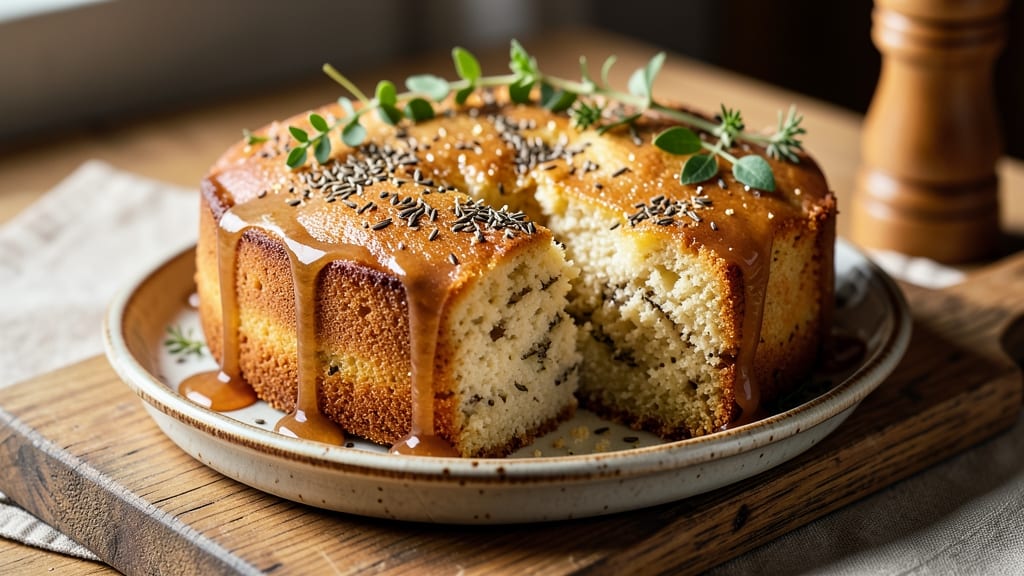
This anise pound cake recipe delivers layers of buttery richness and warm spice that taste like a hug from a European bakery. 💛 The secret lies in the anise seeds—ground just enough to release their licorice-like aroma without overpowering the tender crumb.
I've perfected this recipe through years of baking, balancing traditional pound cake techniques with modern adaptations for home kitchens.
The creaming method creates a light, moist texture that stays tender even when sliced, while the buttery crust adds that satisfying golden crunch. Anise isn't just a flavor here—it's the heart of this cake, complementing vanilla and cinnamon with its distinctive warmth.
The recipe includes optional gluten-free flour for those who need adaptations, but the classic version remains approachable for any home baker.
What you'll end up with is a cake that's perfectly moist in the center and beautifully golden on top, with layers that separate cleanly for serving. The anise flavor shines through without being overpowering, making each slice taste like a cozy dessert from a Parisian café.
This is the kind of cake that disappears quickly—so plan to make more than one batch.
The best part? This recipe delivers restaurant-quality results with simple ingredients and straightforward techniques. Whether you're baking for a special occasion or treating yourself to a comforting dessert, this anise pound cake won't disappoint. Ready to create something truly special?
Ingredients for anise pound cake
Buttery richness meets warm anise spice in this classic pound cake—simple ingredients for a bakery-style dessert.
| Ingredient | Amount | Notes |
|---|---|---|
| Unsalted Butter 🧈 | 1 ½ cups | Cold, cut into cubes for creaming |
| Granulated Sugar 🍚 | 2 cups | Superfine preferred for smooth texture |
| Large Eggs 🥚 | 4 whole | Room temperature for even mixing |
| All-Purpose Flour 🌾 | 2 ½ cups | Sifted for light crumb (or gluten-free 1:1) |
| Anise Seeds 🌿 | 2 tbsp | Lightly ground in mortar or spice grinder |
| Ground Vanilla 🌸 | 2 tsp | Or 1 vanilla bean scraped |
| Ground Cinnamon 🌶️ | 1 tsp | Freshly ground for best aroma |
| Salt 🧂 | ½ tsp | Diamond Crystal preferred |
| Whole Milk 🥛 | 1 cup | Room temperature for creaming |
| Powdered Sugar 🍚 | ½ cup | For buttery crust (optional) |
| Coarse Sugar 🍚 | ¼ cup | For crust texture |
The anise seeds are non-negotiable here. Buy whole seeds from Penzeys or bulk spice shops—pre-ground loses potency fast. Lightly grinding them in a mortar (or spice grinder) releases flavor without bitterness. For vanilla, Bean Hill or McCormick pure extract delivers consistent results. Butter should be cold when creaming—cut it into cubes and let it sit at room temp for 30 minutes before measuring. The King Arthur or Bob's Red Mill all-purpose flour brands work best for this tender crumb.
No anise seeds? 1 tsp anise extract (use sparingly—it's potent) or 1/2 tsp fennel seeds as a substitute. Short on vanilla? Almond extract at half the amount works in a pinch. The gluten-free adaptation requires a 1:1 blend like King Arthur GF—don't use rice flour alone. For the crust, powdered sugar and coarse sugar create that signature crunch. Skip it if you prefer a simple cake, but trust me—it's worth the extra minute. Milk can be swapped for cream or buttermilk for richer flavor.
Store wrapped at room temperature for 3 days or refrigerate for 1 week. For longer storage, freeze slices wrapped in plastic for 3 months. The cake reheats beautifully—wrap cooled slices in foil and warm at 300°F for 10 minutes. I always bake two batches: one for immediate serving, one to freeze for lazy weeknights. The anise flavor actually deepens overnight, so leftovers often become the favorite.
Why You'll Love This Recipe
- Minimal Mixing Needed: I swear by this recipe because it’s one of those rare cakes where you just fold everything together—no overworking the batter, no stressing about lumps. The butter and sugar cream in seconds, and the eggs come in last so you’re basically done in 10 minutes flat.
- Licorice-Kissed Magic: That anise seed? It’s not overpowering—just a whisper of licorice warmth that lingers like a hug. Honestly, the first time I bit into it, I thought, “Wait, is this actually good?” And yes, it absolutely is. The crumb is buttery and dense, but the anise makes it feel special.
- Breakfast or Dessert: Between us, this cake is my lazy weekend go-to for both. Toast a slice with jam for breakfast—yes, really—or dust it with powdered sugar for a quick dessert. It even holds up well when reheated, so it’s my secret weapon for when I need something fast but still feels fancy.
- Budget-Friendly Luxury: You’re using pantry staples here—good butter, sugar, flour—and the anise seeds cost next to nothing. I’ve made this for potlucks, and no one ever guesses it’s not some expensive bakery cake. Plus, it keeps for days, so you’re not scrambling to use it up.
Step-by-step instructions for anise pound cake
Here's the method for creating layers of tender crumb and rich buttery crust—every step matters.
👨🍳 Step 1: Cream Butter and Sugars to Light Ribbons
In a stand mixer fitted with the paddle attachment, beat the 1.5 cups unsalted butter (cold, cut into cubes) and 2 cups granulated sugar on medium speed for 5-7 minutes. You're looking for a pale, fluffy mixture that leaves clean streaks when the paddle pulls through—this incorporates air that will make your cake light and tender.
I like to scrape down the sides every 30 seconds to ensure even mixing. The butter should be completely smooth with no graininess, and the mixture should nearly double in volume. This creaming process is critical—rushing it leads to dense, cakey layers instead of the signature pound cake texture.
👨🍳 Step 2: Add Eggs and Dry Ingredients Alternately
Add the 4 whole large eggs one at a time, mixing just until each is fully incorporated before adding the next. Then add the 2 tsp ground vanilla, 1 tsp ground cinnamon, and 0.5 tsp salt, mixing on low speed until combined. This ensures even distribution of the spices throughout the batter.
Now alternate adding the 2.5 cups all-purpose flour and 1 cup whole milk, beginning and ending with the flour. Mix on low speed just until the flour disappears—overmixing develops gluten and makes the cake tough. The batter should be thick but pourable. Here's where it gets important: don't skip the alternating method. This creates the perfect balance of moisture and structure for that classic pound cake crumb.
🥘 Step 3: Prepare the Crust and Layer the Batter
Preheat your oven to 350°F. Grease and flour two 9-inch round cake pans (or use nonstick spray). For the crust, mix 0.5 cup powdered sugar and 0.25 cup coarse sugar with 2 tbsp anise seeds in a small bowl. The coarse sugar creates those beautiful crystalline textures we love in pound cakes.
Sprinkle half of this sugar mixture evenly in the bottom of one prepared pan. Pour half of the batter over it, spreading it evenly. Repeat with the remaining sugar mixture and batter in the second pan. This layering creates the signature crusty bottom and tender top we're after.
🔥 Step 4: Bake Until Golden and Springy
Bake for 45-50 minutes until a toothpick inserted in the center comes out clean and the tops are golden brown. The cake should spring back gently when pressed in the center—this is your visual cue it's done. I like to rotate the pans halfway through baking for even heat distribution, especially if your oven has hot spots.
Don't overbake! The cake will continue cooking slightly as it cools. Let the cakes cool in the pans for 10 minutes, then transfer to a wire rack to cool completely. This resting period prevents them from collapsing as they cool. The anise seeds will infuse their warm, licorice-like flavor throughout the layers, creating that signature aroma.
⏰ Step 5: Assemble and Serve
Once completely cool, level the tops if needed and place one cake layer on a serving plate. Brush the top with simple syrup (equal parts sugar and water, heated until dissolved) if you like extra moisture. Add the second layer and dust generously with powdered sugar. The contrast between the tender crumb and crispy crust makes every slice worth it.
Slice with a serrated knife for clean cuts that showcase those beautiful layers. Serve at room temperature with whipped cream or fresh berries to complement the warm spices. The anise flavor shines when paired with something tart—like raspberries or lemon glaze. This cake keeps well for 3 days at room temperature or can be frozen for up to 3 months.
Pro Tips For Making Anise Pound Cake
- TOAST THE ANISE SEEDS: I learned this the hard way—raw anise seeds taste bitter and leave a weird aftertaste. Lightly toast them in a dry pan over medium heat for 30 seconds until fragrant, then grind them fresh. That’s the difference between a cake that smells like licorice and one that tastes like it.
- CREAM BUTTER AND SUGAR LONG: Skip the rush—beat the butter and sugar until it’s pale, fluffy, and holds a ribbon when the beaters lift. I used to stop at "light and fluffy," but that’s where the cake gets dense. Aim for 3-5 minutes, especially if your butter’s cold.
- DON’T OVERMIX THE BATTER: Once you fold in the flour and eggs, mix just until combined. Overmixing develops gluten, and this cake’s texture will turn tough instead of tender. The second the flour disappears, stop—even if it looks uneven.
- BAKE UNTIL 210°F: The recipe might say "golden brown," but anise pound cake needs to hit 210°F internally to stay moist. I used to pull it out at 200°F, and it dried out within hours. A toothpick test is fine, but check the temp too—it’s non-negotiable.
Essential equipment for perfect results
Must-Have Mixer
Your stand mixer is the workhorse of this recipe—don't skip it! I recommend a KitchenAid Artisan Series with the paddle attachment for creaming butter and sugar to light ribbons. The 5-quart bowl handles the batter volume perfectly, and the variable speed control lets you adjust for delicate mixing.
If you're on a budget, the Hamilton Beach 6-Speed works well for basic mixing, though it lacks the power for long creaming sessions. 💛
Precision Tools
For accurate measurements, invest in a digital kitchen scale (like the OXO Good Grips) for the butter and sugar—this ensures perfect ratios. A microplane comes in handy for zesting citrus garnishes if you want to add lemon or orange notes.
For the anise seeds, a mortar and pestle gives you control over grinding—just pulse lightly to avoid bitterness. I also keep a fine-mesh sieve on hand to dust powdered sugar evenly on the finished cake.
Baking Pans
Use 9-inch round cake pans with 2-inch sides for perfect layering. I prefer Wilton Perfect Results Non-Stick pans—they release cleanly without greasing. For the crust, lightly grease with butter and dust with flour (or use baking spray) to prevent sticking.
If you don't have round pans, 8x8-inch square pans work in a pinch, but the layers will be thicker. Always preheat your oven to 350°F for even baking.
Crust Essentials
The buttery crust requires coarse sugar for texture—Domino Golden or Wholesome! Sweeteners work best. For grinding anise seeds, a spice grinder (like Penzeys Spice Grinder) is ideal, but a clean coffee grinder works too.
Store your anise seeds in an airtight container in a cool, dark place to preserve their flavor. The powdered sugar for dusting should be Confectioners' sugar (like Domino) for smooth application.
Optional Extras
For simple syrup, a small saucepan and whisk are all you need. If you want to add a glaze, a pastry brush helps apply it evenly. A serrated knife (like Mercer Culinary Genesis) gives clean slices through the layers.
For storage, clear plastic wrap or aluminum foil keeps the cake fresh, while parchment paper prevents sticking when reheating slices.
Nutrition facts
Frequently asked questions
Why does this recipe use whole anise seeds instead of ground?
Whole anise seeds release their warm, licorice-like flavor more gradually during baking, creating a balanced taste. Pre-ground anise loses potency quickly and can taste bitter. Lightly grinding them in a mortar releases just enough aroma without overpowering the cake's buttery sweetness.
Can I make this cake in a single layer instead of two?
Yes! Use one 9-inch pan and reduce baking time to 35-40 minutes. Skip the crust sugar layer, but add 1 extra tbsp anise seeds to the batter for deeper flavor. The texture will be slightly denser but still delicious.
What's the best way to store leftover anise pound cake?
Wrap tightly in plastic wrap or foil and store at room temperature for 3 days. For longer storage, freeze slices in an airtight container for up to 3 months. To reheat, warm at 300°F for 10 minutes—the anise flavor actually intensifies when warmed!
How can I make this gluten-free?
Replace the all-purpose flour with a 1:1 gluten-free blend (like King Arthur's). Add 1 tsp xanthan gum to help bind the crumb. The texture will be slightly denser but still moist. Don't substitute rice flour alone—it lacks the necessary protein structure.
What's the secret to getting clean layers?
Cool the cakes completely before slicing—at least 2 hours. Use a serrated knife and dip it in hot water between slices. For extra clean cuts, chill the cake in the freezer for 15 minutes before slicing. The anise flavor actually enhances when the cake is served slightly chilled!