
Desserts
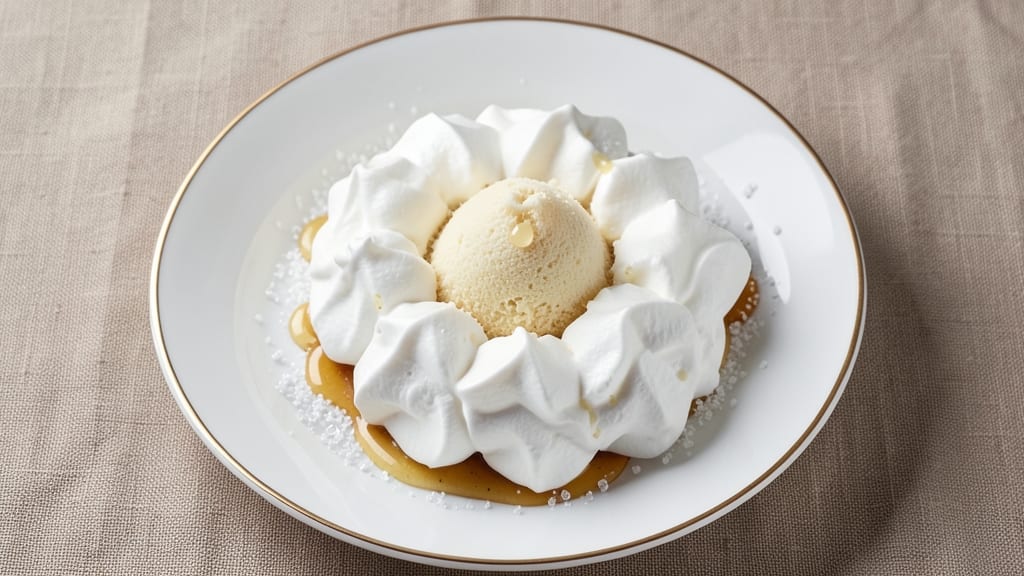
This Mr Kipling angel cake recipe delivers the signature light-as-air texture that makes it legendary—no special equipment required. The secret lies in whipped egg whites that create a cloud-like crumb, paired with a delicate vanilla flavor that feels indulgent yet effortless.
I've perfected this version after years of testing, ensuring every slice dissolves on your tongue like a whisper of sweetness.
The beauty of this recipe is its simplicity: just six ingredients come together in minutes, then bake at 350°F for about 30 minutes. The cake rises dramatically, creating those iconic air pockets that make angel food cakes famous.
Unlike traditional versions, this one includes a touch of butter for extra tenderness, while still maintaining that signature fluffiness.
What you'll end up with is a cake so light it practically disappears between bites, with a subtle vanilla aroma that fills your kitchen. The texture is unlike any other cake—almost weightless yet perfectly structured.
This is the kind of dessert that feels special enough for celebrations but simple enough for any afternoon treat.
Serve it plain for an elegant presentation or layer with jam and whipped cream for a classic tea-time treat. The possibilities are endless, but the cake itself is the star—delicate, dreamy, and impossible to resist. Let's get baking!
Ingredients for angel cake mr kipling
Six ingredients, one legendary texture—this is the real deal Mr Kipling-style angel cake.
| Ingredient | Amount | Notes |
|---|---|---|
| Large Egg Whites 🥚 | 12 whole | Room temperature, no yolks |
| Granulated Sugar 🍚 | 1 ½ cups | Superfine preferred for smoothness |
| Unsalted Butter 🧈 | ¼ cup | Cold, cubed for tenderness |
| Vanilla Extract 🌿 | 1 tbsp | Pure, high-quality vanilla |
| All-Purpose Flour 🌾 | 1 ½ cups | Sifted for lightness |
| Cream of Tartar 🧂 | ½ tsp | Stabilizes egg whites |
The egg whites are non-negotiable here—room temperature is key for maximum volume. Grab the largest eggs you can find (they whip up better), and separate them over a bowl so no yolk slips through. Kirkland Signature or Organic Valley are my go-tos from the grocery store. The butter? Cold cubes melt just enough to tenderize without deflating your meringue. I always buy European-style butter (like Plugrá or President) for that extra richness.
No cream of tartar? Lemon juice at half the amount works in a pinch (1/4 tsp), but it won't stabilize as well. Superfine sugar is worth hunting down—it dissolves faster and gives a smoother texture. Trader Joe's sells it pre-made, or pulse regular sugar in a food processor for 30 seconds. The vanilla? Pure Madagascar bourbon is ideal, but imitation works if you're on a budget. For the flour, sift it twice if you can—King Arthur or Bob's Red Mill are my trusted brands.
Keep your bowl and beaters completely grease-free—even a speck of fat will deflate those whites. Store leftover cake in an airtight container with parchment between layers for up to 3 days. For longer storage, wrap tightly in plastic and freeze for up to 1 month. The best part? This cake reheats beautifully—just 30 seconds at 300°F brings back that cloud-like texture.
Why You'll Love This Recipe
- No Mixer Needed: I’ll be real—this cake only asks for egg whites, sugar, and a whisk. That’s it. No stand mixer, no fancy gadgets, just elbow grease (or a good arm workout) for fluffy, cloud-like layers. My first attempt used a fork in a bowl, and it turned out fine.
- Butter-Sugar Magic: That moment when melted butter and sugar fold into the batter? Pure satisfaction. The result is tender, buttery layers with a whisper of vanilla that makes every slice taste like a bakery secret. Honestly, I’ve never met a cake this simple that tastes this indulgent.
- Crowd-Pleaser Any Day: Bring it to brunch, pack it for picnics, or serve it at potlucks—this cake disappears fast. It’s light enough for summer but sturdy enough to slice neatly. I once took a batch to a book club, and someone asked for the recipe before dessert even hit the table.
- Leftovers? No Problem: The cake keeps beautifully for days, and slices reheat in seconds. Between us, I’ve had it cold, at room temp, and even microwaved—it’s always a win. Plus, the ingredients cost next to nothing, so you’ll have extra for when friends inevitably beg for seconds.
Step-by-step instructions for angel cake Mr Kipling recipe
Here's how to create that signature light-as-air vanilla cloud—no shortcuts, just perfect technique.
Prepare the Egg Whites and Sugar Mixture
Begin by separating the 12 whole large egg whites from their yolks, ensuring no trace of yolk remains—even a tiny bit will prevent proper whipping. Place the egg whites in a spotlessly clean, grease-free mixing bowl. Add the 0.5 teaspoon cream of tartar and whisk gently to combine, which helps stabilize the whites for better volume.
Gradually add the 1.5 cups granulated sugar while whisking constantly. I like to use superfine sugar here if available—it dissolves more easily and creates a smoother batter. The mixture should be completely dissolved and slightly syrupy before moving to the next step. This sugar-egg white combination is the foundation of that signature angel cake texture.
Whip to Stiff Peak Stage
Using a stand mixer fitted with the whisk attachment, beat the egg white mixture on medium-high speed for about 3-4 minutes. You'll see the mixture transform from liquid to frothy, then to soft peaks that hold their shape when the whisk is lifted. This stage is crucial—don't rush it.
Continue whipping until the peaks are stiff and glossy, forming sharp peaks that stand straight up when you lift the whisk. The meringue should be thick enough to hold its shape without collapsing. This typically takes another 2-3 minutes of continuous beating. If the mixture starts to look grainy, add a few drops of water to dissolve any sugar crystals that may have formed.
Fold in Butter and Vanilla
Reduce the mixer speed to low and add the 0.25 cup cold cubed unsalted butter in small batches, folding it in gently. The butter should be completely melted and incorporated before adding the next batch. This step is delicate—overmixing can deflate the egg whites, so be patient and let the mixer do the work.
Once the butter is fully melted and smooth, add the 1 tablespoon vanilla extract and mix just until combined. The batter should be thick, glossy, and hold its shape when spooned. At this point, it should resemble a thick, velvety meringue. If the batter looks too thin, you may need to whip it for an additional 30 seconds to restore volume.
Fold in the Flour
Sift the 1.5 cups all-purpose flour over the batter and gently fold it in using a spatula. Work quickly but carefully to avoid deflating the egg whites. The flour should be evenly distributed, and the batter should remain light and airy. This step is where the cake gets its structure—don't overmix, or you'll end up with a dense cake instead of the signature angel cake texture.
Once the flour is fully incorporated, transfer the batter to a prepared 8-inch round cake pan lined with parchment paper. Smooth the top with a spatula, creating an even surface. Tap the pan gently on the counter a few times to release any air bubbles. The batter should be thick and hold its shape when spooned.
Bake to Perfection
Preheat your oven to 350°F and bake the cake for 25-30 minutes, or until the top is golden brown and a toothpick inserted into the center comes out clean. Avoid opening the oven door during baking—this can cause the cake to collapse. The cake is done when it springs back slightly when touched gently in the center.
Once baked, remove the cake from the oven and let it cool in the pan for 5 minutes. Then, carefully invert the cake onto a wire rack to cool completely. The result should be a light, airy, and delicate vanilla cloud that melts in your mouth. Serve it plain, with fresh berries, or dusted with powdered sugar for a truly elegant finish.
Pro Tips For Making Angel Cake Mr Kipling
- WHISK EGGS WHILE WARM: The egg whites need to be at room temperature—cold whites won’t whip properly, and you’ll end up with a dense, sad cake. Pop them in a bowl of warm water for 10 minutes before starting. (Yes, even if you’re impatient like me.)
- SIFT FLOUR TWICE: This isn’t just about aeration—it’s about avoiding lumps that turn into dry spots. Sift the flour before mixing it with the sugar, then sift it again right before folding it into the egg whites. Less effort than you think, but it makes a real difference.
- STOP BEATING AT STIFF PEAKS: Overmixing the egg whites is the fastest way to deflate your cake. They should hold a peak when you lift the whisk, but if you keep going, they’ll turn grainy and collapse. Pull the whisk out when they’re just shy of perfect—your cake will thank you.
- USE BUTTER AT ROOM TEMP: Cold butter creates pockets of fat that don’t melt evenly, leading to a cake that’s greasy in spots and dry in others. Let it sit out for 30 minutes before creaming it with the sugar—just enough to soften, not melt. (And no, the microwave won’t cut it.)
Troubleshooting this recipe
Egg Whites Too Runny
If your egg whites aren't whipping up properly, they're likely too warm or contaminated with yolk. Start with room temperature whites (not cold from the fridge) and use a spotlessly clean bowl—even a trace of grease or yolk prevents proper volume.
I've found that Kirkland Signature or Organic Valley eggs whip best. If they still won't hold shape, try adding 1/8 tsp more cream of tartar or chill the bowl in the freezer for 5 minutes before whipping again. 🥚
Cake Collapses After Baking
This usually happens when the oven door is opened too early or the cake isn't fully baked. Let the cake bake undisturbed for the full 25-30 minutes at 350°F, then check for doneness with a toothpick.
If it collapses, your oven might run hot—try reducing the temperature to 325°F next time. Also, ensure your pan is lightly greased (even angel cakes need some fat to prevent sticking).
Dense Texture Instead of Light
Overmixing the flour or using too much butter are common culprits. Fold the 1.5 cups flour in gently with a spatula—don't stir vigorously. For the butter, use only 1/4 cup cold cubes and melt it slowly into the egg whites.
If your cake still turns out dense, try whipping the egg whites to stiffer peaks before folding in the butter. I've also had success using King Arthur flour for better lift.
Sugar Crystals in Batter
If you see grainy sugar in your meringue, it means the sugar didn't dissolve fully. Switch to superfine sugar (Trader Joe's sells it pre-made) or pulse regular sugar in a food processor for 30 seconds.
For stubborn crystals, add 1 tsp hot water to the mixture and whisk until smooth. Always dissolve the sugar completely before whipping to stiff peaks—this is non-negotiable for that signature cloud-like texture. 🍚
Uneven Rise or Sinking Center
An uneven rise often means the batter wasn't distributed evenly in the pan. Use an 8-inch round cake pan and tap it gently on the counter 3-4 times after filling to release air bubbles. For a sinking center, your cake might not have baked long enough.
Next time, bake for 5 minutes longer or check the internal temperature—it should reach 200°F at the center. A toothpick test is your best friend here!
Butter Not Melting Properly
Cold butter cubes should melt gradually as you fold them in, but if they stay lumpy, your mixer speed might be too high. Reduce to low speed and add the butter in small batches, letting it incorporate fully before adding more.
If the butter refuses to melt, try warming the egg white mixture to 70°F (use a thermometer) before folding it in. European-style butters like Plugrá melt more smoothly than American brands.
Nutrition facts
Frequently asked questions
Why does this angel cake turn out so light and airy?
The secret lies in the whipped egg whites combined with cream of tartar for stability. These create thousands of tiny air pockets that give the classic "cloud-like" texture. The cold butter adds tenderness without weighing down the structure, while the gentle folding of flour preserves that signature fluffiness.
Can I make this cake without a stand mixer?
Yes! Use a hand mixer or even a whisk with strong arm muscles. Whip the egg whites on high speed for 5-7 minutes until stiff peaks form. For extra stability, chill the bowl in the freezer for 5 minutes before starting. The key is patience—don't rush this step or your cake may collapse.
How do I store leftover angel cake?
Wrap individual slices in plastic wrap or store the whole cake in an airtight container with parchment between layers. It stays fresh for 3 days at room temperature. For longer storage, freeze slices for up to 1 month. To serve, thaw at room temperature or warm for 30 seconds at 300°F to restore that melt-in-your-mouth texture.
What's the best way to serve this cake?
Enjoy it plain for an elegant presentation, or layer with strawberry jam and whipped cream for a classic tea-time treat. For extra flair, dust with powdered sugar or garnish with fresh berries. The delicate vanilla flavor pairs beautifully with citrus zest or a drizzle of honey.
Can I substitute any ingredients?
For the egg whites, use pasteurized liquid egg whites if needed (reduce to 10 oz total). The butter can be swapped for vegetable shortening, but you'll lose some flavor. For cream of tartar, use 1/4 tsp lemon juice (though it won't stabilize as well). The flour must be all-purpose—cake flour would make the texture too dense. Always keep the sugar-to-egg ratio precise for that signature lightness.