
Desserts
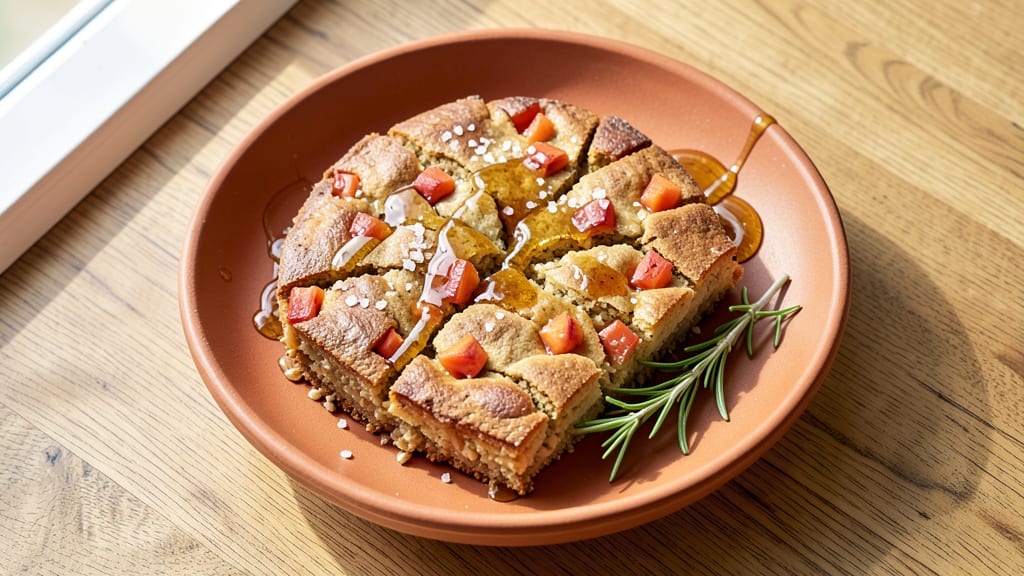
This ancient barley cake recipe transports you to medieval kitchens where hearty grains and honeyed spices created desserts as nourishing as they were delicious.
The nutty depth of barley flour and warm cinnamon notes make every slice feel like a taste of history—yet the moist, tender crust ensures it’s just as satisfying today. I’ve adapted traditional techniques to modern ovens, preserving the soul of this rustic cake while making it foolproof for home bakers.
The secret lies in the barley flour’s ability to absorb moisture without drying out, creating a cake that stays rich and velvety rather than crumbly. A touch of honey and warm spices—like cardamom or cloves—adds complexity, while a simple syrup glaze ties everything together with a glossy finish.
This isn’t just dessert; it’s a piece of culinary heritage you can bake in under an hour.
Serve it warm with a pat of cultured butter or a drizzle of jam for a taste of old-world comfort, or enjoy it at room temperature with a cup of spiced tea.
The nutty, honeyed layers make it perfect for holidays, potlucks, or quiet afternoons when you crave something both comforting and unexpectedly sophisticated. Let’s bring this ancient recipe to life.
What makes this cake truly special is its versatility—swap in dried fruit for extra depth, or add a pinch of sea salt to balance the sweetness.
The result is a dessert that feels both timeless and entirely modern, proving that the best recipes stand the test of time. Ready to bake?
Ingredients for ancient barley cake
Medieval grains meet modern baking in this nutty, honeyed barley cake with velvety layers.
| Ingredient | Amount | Notes |
|---|---|---|
| Barley Flour 🌾 | 2 ½ cups | Stone-ground for authentic texture |
| All-Purpose Flour 🌾 | 1 cup | For structural balance |
| Unsalted Butter 🧈 | 1 cup | Cold, cubed for even mixing |
| Raw Honey 🍯 | ¾ cup | Local preferred for depth |
| Large Eggs 🥚 | 2 whole | Room temperature for blending |
| Whole Milk 🥛 | 1 cup | Full-fat for richness |
| Pure Vanilla Extract 🌿 | 1 tbsp | Bourbon-infused for complexity |
| Ground Cinnamon 🌶️ | 1 ½ tsp | Ceylon preferred for warmth |
| Ground Cardamom 🌿 | ½ tsp | Lightly toasted for aroma |
| Ground Cloves 🌶️ | ¼ tsp | Whole cloves preferred |
| Sea Salt 🧂 | ½ tsp | Fine grain for balance |
| Dried Apricots 🍑 | ½ cup | Chopped, for moisture |
| Simple Syrup 🍯 | ½ cup | For glaze, equal parts sugar/water |
Barley flour is the soul of this cake—Bob’s Red Mill or King Arthur brands give the best texture. Look for stone-ground varieties (the specks of bran add rustic charm). If you can’t find barley flour, substitute half with whole wheat, but the cake won’t be as tender. The honey should be raw and local—Manuka or buckwheat adds extra depth. For the spices, Penzeys Spices or bulk bins at Whole Foods are ideal, but don’t stress if you only have basic pantry spices. Just toast the whole spices (cardamom and cloves) in a dry pan for 30 seconds before grinding to wake up their flavors.
No barley flour? Rye flour at half the amount works, but the texture will be denser. Substitute honey with maple syrup or agave, though the flavor won’t be identical. For the dried fruit, raisins or chopped dates are great swaps—just soak them in warm milk for 10 minutes first. The simple syrup glaze can be made ahead (just boil equal parts sugar and water, then cool), but if you’re in a rush, store-bought glaze works too. For extra richness, fold in 1 tbsp of sour cream with the wet ingredients, though it’s not traditional.
This cake keeps beautifully—3 days at room temperature wrapped in parchment, or 1 week refrigerated in an airtight container. For longer storage, freeze slices wrapped individually for up to 3 months. The glaze sets as it cools, so assemble the cake just before serving. If you’re making it ahead for a party, cover with plastic wrap and store at room temperature. Reheat slices in a 250°F oven for 5 minutes to revive the honeyed aroma—trust me, it’s worth it.
Why You'll Love This Recipe
- No Mixer Needed: I swear by this recipe when my hands are full—just fold the flours with cold butter until it resembles crumbs. No electric mixer, no sticky mess, and the texture still turns out tender.
- Honey Butter Magic: That raw honey isn’t just sweet—it caramelizes in the oven for a subtle depth, while the butter keeps it rich without being heavy. Honestly, the first bite makes me question why I’ve never baked with barley flour before.
- Breakfast or Dessert: Serve it warm with a drizzle of extra honey for a satisfying breakfast, or cut into squares for a tea-time treat. My kids grab slices for lunchboxes, and I still sneak bites when no one’s looking.
- Pantry Staple Power: Barley flour is cheap, lasts forever, and this recipe uses just a cup—no waste. Plus, the leftovers stay fresh for days, so I can bake one batch and enjoy it all week without stress.
Step-by-step instructions for ancient barley cake
Here's how to craft this nutty, honeyed masterpiece with perfect moisture and spice balance.
Prepare the Dried Apricots and Mix Wet Ingredients
Start by chopping the 0.5 cup dried apricots into small, even pieces—about ¼-inch cubes. This ensures they distribute evenly throughout the cake while maintaining their texture. In a medium bowl, combine the 0.75 cup raw honey, 1 cup whole milk, 1 tbsp pure vanilla extract, and 2 whole large eggs at room temperature. Whisk vigorously for 2-3 minutes until the mixture becomes pale and slightly thickened. The honey should fully dissolve, creating a smooth base for the batter.
This step is where the cake's signature moisture begins. The honey acts as both a sweetener and a natural tenderizer, while the vanilla extract adds depth that complements the warm spices. If you notice any lumps in the honey, gently warm the mixture over a double boiler for 10-15 seconds until fully smooth—just enough to break down any crystallization without cooking the eggs.
Combine Dry Ingredients and Incorporate Butter
In a separate large bowl, sift together the 2.5 cups barley flour, 1 cup all-purpose flour, 1.5 tsp ground cinnamon, 0.5 tsp ground cardamom, 0.25 tsp ground cloves, and 0.5 tsp sea salt. The sifting prevents clumping and ensures even distribution of the spices throughout the batter. Using a pastry cutter or your fingers, work in the 1 cup cold, cubed unsalted butter until the mixture resembles coarse crumbs with pea-sized butter pieces remaining.
Here's the thing—cold butter creates pockets of fat that melt during baking, producing that signature tender crumb. If your kitchen is warm, chill the butter for 15 minutes before starting this step. The texture should be slightly gritty but not pasty; if it becomes too soft, place the bowl in the refrigerator for 5 minutes to firm up.
Mix Batter and Fold in Apricots
Gradually pour the wet ingredient mixture into the dry ingredients while mixing on low speed with an electric mixer. Scrape down the sides of the bowl frequently to ensure all ingredients are incorporated. Once combined, add the chopped dried apricots and mix on low speed for an additional 30 seconds—just enough to distribute them evenly without overmixing.
Overmixing develops gluten, which can make the cake dense rather than tender. The batter should be thick but pourable, with no flour streaks visible. If it appears too stiff, add 1-2 tablespoons of whole milk to loosen it slightly. The apricots should be evenly dispersed, promising bursts of fruity sweetness in every bite.
Bake to Golden Perfection
Preheat your oven to 350°F and grease a 9-inch round cake pan or line it with parchment paper. Pour the batter into the prepared pan and smooth the top with a spatula. Bake for 45-50 minutes, until a toothpick inserted into the center comes out clean and the edges are golden brown. The cake should spring back slightly when pressed gently in the center.
Real talk—the barley flour can make this cake slightly denser than traditional flour-based cakes, so don't be tempted to overbake. If the top browns too quickly, tent the cake with aluminum foil after 25 minutes to prevent over-browning while allowing the center to cook through. The internal temperature should reach 205-210°F for perfect doneness.
Glaze and Serve
While the cake is still warm, prepare the glaze by heating the 0.5 cup simple syrup in a small saucepan over medium heat until it reaches a gentle simmer. Immediately pour the warm syrup over the cake and let it soak in for 2-3 minutes. This step ensures the glaze penetrates the cake, enhancing its moisture and adding a subtle sheen.
Let the cake cool in the pan for 10 minutes, then transfer it to a wire rack to cool completely. The glaze will set as it cools, creating a beautiful finish that complements the nutty, spiced flavors. Serve slices warm or at room temperature, and you'll experience that perfect balance of moist crumb, honeyed sweetness, and warm spices that makes this ancient recipe so special.
Pro Tips For Making Ancient Barley Cake
- Mix the Dough Cold: Barley flour gets gummy fast—keep everything chilled until the last minute. I learned this after a dough turned into a sticky mess; now I mix the wet ingredients with the dry only when the butter’s just soft enough to hold shape, not melted.
- Toast the Barley Flour: Skip the raw flour’s earthy bite by toasting it in a dry pan for 3–4 minutes until golden. Sounds weird, but it works—my cake now has a nutty depth instead of that "just-baked-bread" aftertaste that ruins the honey’s sweetness.
- Don’t Overmix the Eggs: Whisk the eggs until just combined, no ribbons—barley flour needs gentle handling. After beating them into a froth once, I stopped getting dense, heavy cakes. Overmixing turns the texture into a brick.
- Use Room-Temp Butter: Cold butter makes crumbly cakes, but soft butter that’s just pliable (not greasy) creates that tender, honey-infused crumb. I used to eye the butter’s firmness wrong—now I press a thumb into it; if it leaves a slight dent, it’s ready.
Pro cooking tips for this recipe
Barley Flour Magic
Barley flour is the star here—its nutty depth and moisture-absorbing properties create a cake that’s rich without being heavy. I always use stone-ground barley flour (like Bob’s Red Mill) because the specks of bran add rustic texture and prevent dryness.
If you can’t find it, rye flour works in a pinch, but the flavor won’t be identical. The key is to sift it thoroughly with the all-purpose flour to avoid lumps in the batter. 🌾
Honey’s Dual Role
Raw honey isn’t just a sweetener—it’s a natural tenderizer that keeps this cake moist for days. I recommend local honey (like Manuka or buckwheat) for its complex, floral notes, but any raw variety works.
If your honey is crystallized, warm it gently in a double boiler for 10-15 seconds to dissolve it without cooking the eggs. Pro tip: Add the honey to the wet ingredients first to ensure it fully emulsifies with the milk and butter.
Spice Toasting Trick
Whole spices like cardamom and cloves release their aromas best when toasted lightly before grinding. I pulse them in a spice grinder after toasting for 30 seconds in a dry pan—this wakes up their flavors without burning. Ground spices work too, but toasting adds depth.
For extra warmth, add a pinch of nutmeg to the dry ingredients, though it’s not traditional. The spices should be evenly distributed; I use a fine-mesh sieve to dust them over the flour mixture.
Butter Temperature Control
Cold butter is non-negotiable for this recipe—it creates tender pockets that melt during baking for a velvety crumb. Cut 1 cup unsalted butter into ½-inch cubes and chill for 15 minutes if your kitchen is warm.
Work it into the dry ingredients using a pastry cutter or your fingers until the mixture resembles coarse crumbs with pea-sized butter pieces. If the dough feels too soft, pop it in the fridge for 5 minutes to firm up before mixing.
Apricot Prep Matters
Chop the dried apricots into ¼-inch cubes for even distribution—larger pieces can make the cake too dense. Soak them in warm milk for 10 minutes if you’re using dried fruit with less moisture (like raisins).
Fold them in last to preserve their texture. For extra richness, toss them with 1 tsp cinnamon before adding to the batter—this amplifies their sweetness and ties into the spice profile. 🍑
Glaze Timing Hack
The simple syrup glaze should be warm but not boiling when poured over the cake—this ensures it soaks in rather than pools on top. Heat it until it reaches a gentle simmer (small bubbles at the edges) and pour immediately.
Let it sit for 2-3 minutes before serving; this gives the glaze time to penetrate the crumb. For a glossier finish, brush the cooled cake with an extra 1 tbsp of syrup after it’s fully set. The result? A cake that tastes even more decadent than it looks. ✨
Nutrition facts
Frequently asked questions
What makes this barley cake different from regular cakes?
This ancient barley cake uses barley flour instead of all-purpose flour, giving it a distinctive nutty, hearty flavor and moist texture. The combination of honey, warm spices, and dried fruit creates layers of complex sweetness that traditional cakes lack. Barley flour also absorbs moisture differently, preventing dryness while adding rustic charm.
Can I substitute barley flour with something else?
Yes! If you can't find barley flour, try rye flour (half the amount) or whole wheat flour, though the texture will be denser. For a lighter version, mix 1.5 cups barley flour with 1.5 cups all-purpose flour. The key is balancing moisture—add an extra 1 tbsp of milk if the batter seems too dry. The flavor won't be identical, but it'll still be delicious.
How do I store this cake to keep it fresh?
Wrap the cooled cake tightly in plastic wrap or store it in an airtight container at room temperature for up to 3 days. For longer storage, refrigerate for 1 week or freeze individual slices for 3 months. The glaze helps preserve moisture, but reheating slices in a 250°F oven for 5 minutes revives the honeyed aroma.
What's the best way to serve this cake?
Serve warm slices with a pat of cultured butter or a drizzle of berry jam for a classic pairing. It's also perfect with spiced tea or coffee—the nutty flavors complement both. For a festive touch, dust with powdered sugar or add a sprinkle of toasted nuts on top. The cake's rich texture makes it ideal for holidays or cozy afternoons.
Why did my cake turn out dense instead of tender?
Overmixing the batter or using too much flour can make the cake dense. Stick to mixing just until combined—barley flour develops gluten quickly. Also, ensure your butter is cold when mixing and don't overbake (the center should be slightly springy). If your kitchen is warm, chill the batter for 15 minutes before baking. The internal temperature should reach 205-210°F, not higher.