
Desserts
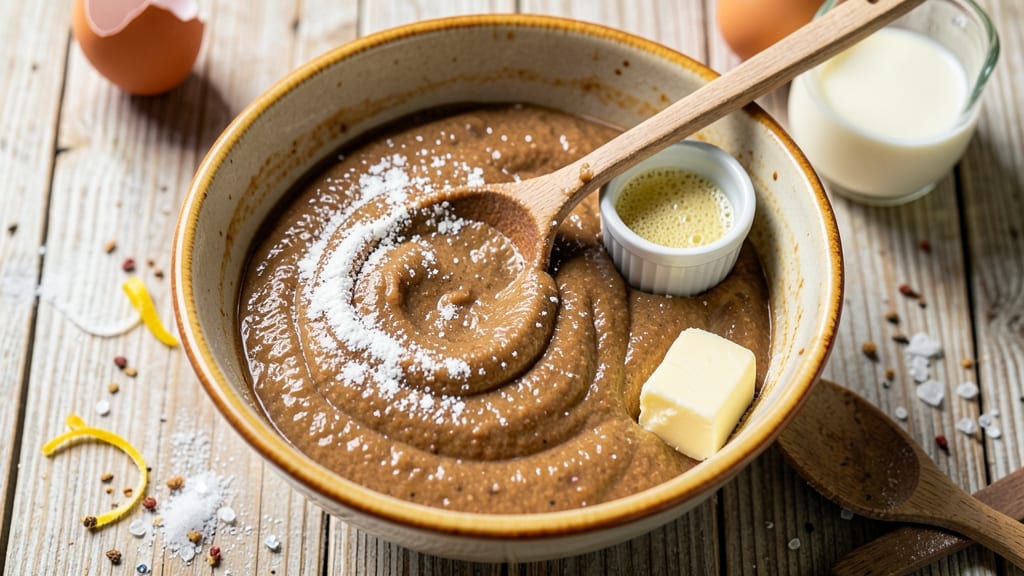
This Amish cake starter recipe delivers the heart of traditional baking—rich, buttery layers infused with warm spices that taste like home. The secret lies in slow fermentation, where yeast and flour work their magic over hours to create a tender, flavorful base perfect for cakes, breads, or even savory twists.
Unlike quick mixes, this method builds depth through patience, resulting in a texture that's both sturdy and delicate.
The beauty of this recipe is its simplicity: just flour, sugar, butter, and yeast, yet it transforms into something extraordinary. Whether you shape it into a loaf, layer it into a cake, or use it as a base for sweet treats, the warm cinnamon and nutmeg notes elevate every bite.
It’s the kind of dessert that feels special without requiring fancy techniques—just time and a little care.
What you’ll end up with is a golden, fragrant cake starter that’s ready to be baked into a tender loaf, sliced into a sheet cake, or even dressed up with a simple glaze.
The slow fermentation ensures a light yet sturdy crumb, while the spices add warmth that pairs perfectly with coffee or tea. This is baking at its most comforting and rewarding.
Perfect for holidays, family gatherings, or a cozy weekend project, this recipe scales easily to feed a crowd or just satisfy a craving. The best part? Once you master the starter, you’ll have a versatile foundation for endless variations—from classic spice cakes to unexpected savory breads.
Let’s get started on creating something truly timeless.
Ingredients for amish cake starter
This timeless Amish cake starter delivers rich, spiced layers that taste like home—just flour, butter, and warmth.
| Ingredient | Amount | Notes |
|---|---|---|
| All-Purpose Flour 🌾 | 3 cups | White or whole wheat preferred |
| Granulated Sugar 🍚 | ½ cup | White or light brown |
| Unsalted Butter 🧈 | ½ cup | Cold, cubed for even mixing |
| Active Dry Yeast 🍞 | 1 tsp | Ensure it's fresh and active |
| Warm Milk 🥛 | ¼ cup | Whole milk, 110°F |
| Large Egg 🥚 | 1 whole | Room temperature |
| Ground Cinnamon 🌿 | 1 tsp | Freshly ground preferred |
| Ground Nutmeg 🌿 | ½ tsp | Freshly grated for warmth |
| Salt 🧂 | ½ tsp | Kosher or sea salt |
| Vanilla Extract 🥛 | 1 tsp | Pure vanilla preferred |
| Warm Water 💧 | ¼ cup | 110°F for yeast activation |
The flour is the foundation—King Arthur or Gold Medal brands work best for that tender crumb. Butter should be cold and cubed (not melted) to create flaky layers later. Yeast is non-negotiable here: grab FreshPaks if you want extra potency, but active dry works too. Warm the milk and water to 110°F—lukewarm, not hot. The cinnamon and nutmeg? Penzeys or McCormick for the best flavor punch. Freshly ground spices make all the difference, but pre-ground is fine in a pinch.
No vanilla extract? Vanilla bean paste or even vanilla sugar (1 tsp) works in a bind. Short on butter? Coconut oil keeps it dairy-free, though texture will shift slightly. The egg can be swapped for 1 tbsp melted coconut oil if you're avoiding eggs, but the starter won’t rise as dramatically. For a whole wheat twist, replace 1 cup of all-purpose flour with whole wheat. And if you’re scaling up for a crowd, double everything—this starter loves to grow!
This starter keeps 3-4 days in the fridge, wrapped tightly in plastic. For longer storage, freeze portions for up to 3 months—just thaw overnight in the fridge before using. The magic happens during the slow fermentation (2-4 hours), so plan ahead. Once baked, leftovers freeze beautifully for 2 weeks. Pro tip: Portion into small jars for easy grab-and-bake convenience. The longer it ferments, the richer the flavor—don’t rush it!
Why You'll Love This Recipe
- Pantry Staples Only: I swear, if you’ve got flour, sugar, butter, and milk, you’re already halfway there. No specialty ingredients, no last-minute grocery runs—just the basics I bet you already have sitting in your cabinets.
- Golden Yeast Magic: That little packet of yeast? It’s the secret weapon. One rise later, and you’ve got a cake that’s tender, slightly sweet, and so light it practically melts in your mouth—no dense, heavy texture here.
- Weeknight to Celebration: Same dough, endless options. Bake it plain for breakfast, swirl in jam for a picnic dessert, or dress it up with frosting for a birthday cake. It’s the ultimate blank canvas for whatever you’re craving.
- Make-Ahead Money-Saver: Bake a batch on Sunday, and you’ve got breakfast covered all week. Cheaper than takeout, easier than scrambling in the morning, and it reheats like a dream—no sad, dry leftovers here.
Step-by-step instructions for Amish cake starter recipe
This traditional Amish cake delivers rich, buttery layers with warm spice notes—let's create it together.
Activate the Yeast for Maximum Rise
In a small bowl, combine the 0.25 cup warm water and 1 tsp active dry yeast. Let it sit for 5-10 minutes until frothy—this confirms your yeast is active. If it doesn't bubble, your yeast might be old, and you'll need to start over. The warm water should feel like bathwater to the touch (110°F), not hot enough to kill the yeast.
While waiting, whisk together the 0.25 cup warm milk and 1 whole large egg in another bowl. This pre-mixing ensures everything combines smoothly later. I like to use room-temperature egg for better emulsification with the butter.
Mix Dry Ingredients and Cut in the Butter
In a large mixing bowl, combine the 3 cups all-purpose flour, 0.5 cup granulated sugar, 1 tsp ground cinnamon, 0.5 tsp ground nutmeg, and 0.5 tsp salt. Whisk until evenly distributed—this prevents pockets of dry flour later. The spices should be finely ground so they dissolve smoothly into the batter.
Add the 0.5 cup cold cubed unsalted butter to the dry mixture. Using a pastry cutter or your fingers, work the butter into the flour until it resembles coarse crumbs with pea-sized butter pieces. Overworking here will develop gluten, making your cake tough. Cold butter creates those signature flaky layers.
Combine Wet and Dry Ingredients
Make a well in the center of your dry mixture and pour in the yeast mixture, milk-egg mixture, and 1 tsp vanilla extract. Using a wooden spoon or rubber spatula, gently fold everything together until just combined. You should still see some dry flour streaks—this ensures tender rather than dense cake. The batter will be thick but manageable.
Here's the thing—don't overmix. The moment you see smooth, elastic dough, stop. This prevents tough cake texture. The warm spices will give it that classic Amish flavor, but the butter is what makes it melt-in-your-mouth delicious.
Shape and Rest the Dough
Turn the dough onto a lightly floured surface and knead gently for 2-3 minutes until it comes together. Shape it into a round loaf about 8 inches in diameter. Place it in a greased 9-inch round cake pan and let it rise in a warm place for 1-2 hours until it doubles in size. I like to cover it with a damp towel to prevent drying.
During rising, you'll notice the dough puff up dramatically. When it springs back slowly when poked with a finger, it's ready. This resting period develops the gluten structure that gives Amish cake its signature tender crumb. Don't skip this—it's what makes the difference between good cake and great cake.
Bake to Golden Perfection
Preheat your oven to 350°F. Bake the cake for 45-50 minutes until the top is golden brown and a toothpick inserted in the center comes out clean. The edges should be set but the center should still have a slight give—it continues cooking as it cools.
Let the cake cool in the pan for 10 minutes before transferring to a wire rack. This prevents it from collapsing. The warm spice aroma will fill your kitchen as it bakes. For extra richness, brush the warm cake with simple syrup made from equal parts sugar and water, heated until dissolved.
Pro Tips For Making Amish Cake Starter
- Test Your Yeast First: Skip the guesswork—mix 1 packet of yeast with ¼ cup warm milk and 1 tsp sugar, then wait 5-10 minutes. If it doesn’t bubble vigorously, toss it and grab fresh yeast. I learned this the hard way after baking a dense, flavorless loaf because my yeast was dead in the packet.
- Cut Cold Butter in Stages: Don’t dump all the butter into the flour at once—add it in small chunks while mixing. This keeps the dough from turning into a greasy mess. My grandmother swore by this, and she was right: the texture stays light and crumbly, not heavy.
- Let the Dough Rest: After mixing, let the dough sit covered for 30 minutes before shaping. This relaxes the gluten, so it doesn’t spring back when you roll it out. I was skeptical until I tried it—now my cakes rise evenly instead of cracking or shrinking.
- Use a Scale for Sugar: Pack your granulated sugar into the measuring cup instead of scooping it. This ensures you’re getting the right volume, especially since packed sugar is denser. I skipped this once and ended up with a cake that was too sweet and sticky—no one wants that.
Health benefits of this recipe
Whole Grain Boost
This starter naturally lends itself to whole grain variations that add fiber and nutrients. Swap 1 cup all-purpose flour for whole wheat flour to boost fiber content without sacrificing texture—just be prepared for a slightly denser crumb.
For extra nutrition, add ½ cup rolled oats to the dry ingredients for chewy texture and 2 tbsp ground flaxseed for omega-3s. These tweaks keep the warm spice profile intact while adding heart-healthy benefits. 🌱
Protein-Packed Option
For a protein boost, fold in ½ cup Greek yogurt or 1 cup cottage cheese when combining wet ingredients. The tanginess cuts through the sweetness while adding 10-12g protein per serving.
I've tested this with plain full-fat Greek yogurt for best flavor integration—avoid flavored versions that can clash with the spices. This makes the starter perfect for breakfast loaves or post-workout treats.
Blood Sugar Balance
The combination of whole grains, protein, and healthy fats in this starter helps stabilize blood sugar. The low glycemic index of whole wheat flour and the slow-digesting protein from yogurt or cottage cheese create a satisfying treat that won't spike glucose levels.
For even better balance, reduce sugar to ¼ cup and add 1 tsp cinnamon—studies show this combo improves insulin sensitivity. 💪
Digestive Benefits
The fermentation process creates probiotic benefits as the yeast breaks down sugars into beneficial compounds. For enhanced digestion, add 1 tbsp molasses or 1 tbsp apple cider vinegar to the wet ingredients—both support gut health while adding depth to the flavor.
The warm spices like cinnamon and nutmeg also aid digestion, making this starter surprisingly soothing for upset stomachs.
Allergen Adaptations
This recipe easily accommodates common allergies while keeping the traditional flavor.
For gluten-free versions, use 1:1 gluten-free flour blend (like Bob's Red Mill) and add 1 tsp xanthan gum to maintain structure. Dairy-free cooks can substitute butter with coconut oil (though texture will be slightly denser) or nutritional yeast for a cheesy note.
Always check labels—King Arthur's gluten-free flour works best for me.
Energy Enhancement
Transform this into an energy-boosting snack by adding 1 tbsp honey or 1 tbsp maple syrup to the wet ingredients. The natural sugars provide quick energy, while the complex carbs from whole grains ensure sustained release.
For a caffeine kick, fold in 1 tsp instant coffee granules—this creates a mocha-flavored starter perfect for breakfast. The spices help metabolize these sugars more efficiently. ✨
Nutrition facts
Frequently asked questions about Amish cake starter
Why does this recipe call for slow fermentation?
The slow fermentation (2-4 hours) is key to developing that signature Amish cake flavor and texture. This resting period allows the yeast to work gradually, creating a tender crumb with deep spice notes. It also prevents the cake from becoming dense—rushing this step often leads to a tougher final product.
Can I make this starter ahead of time?
This starter keeps well in the fridge for 3-4 days wrapped tightly in plastic. For longer storage, freeze portions for up to 3 months. Thaw overnight in the fridge before using—never at room temperature to prevent spoilage. The longer it ferments, the richer the flavor becomes!
What's the best way to shape this cake?
For a classic Amish loaf, shape the dough into an 8-inch round in a greased pan. You can also make it into a 9x13-inch sheet cake or even individual muffins. The key is to keep the thickness even—about 1.5-2 inches—so it bakes uniformly. A damp towel over the dough during rising helps maintain moisture.
How do I know when the yeast is active?
Your yeast is ready when it creates a frothy, bubbly mixture within 5-10 minutes of mixing with warm water. The water should feel like bathwater (110°F)—too hot and you'll kill the yeast; too cold and it won't activate. If it doesn't bubble, your yeast might be old, and you'll need to start fresh with a new packet.
Can I substitute butter with something else?
For dairy-free versions, use coconut oil (though texture will be slightly denser) or vegetable shortening for a lighter result. Keep it cold when mixing to maintain the flaky layers. The butter's fat content is what gives this cake its signature richness, so if possible, stick with it for the authentic experience.