
Desserts
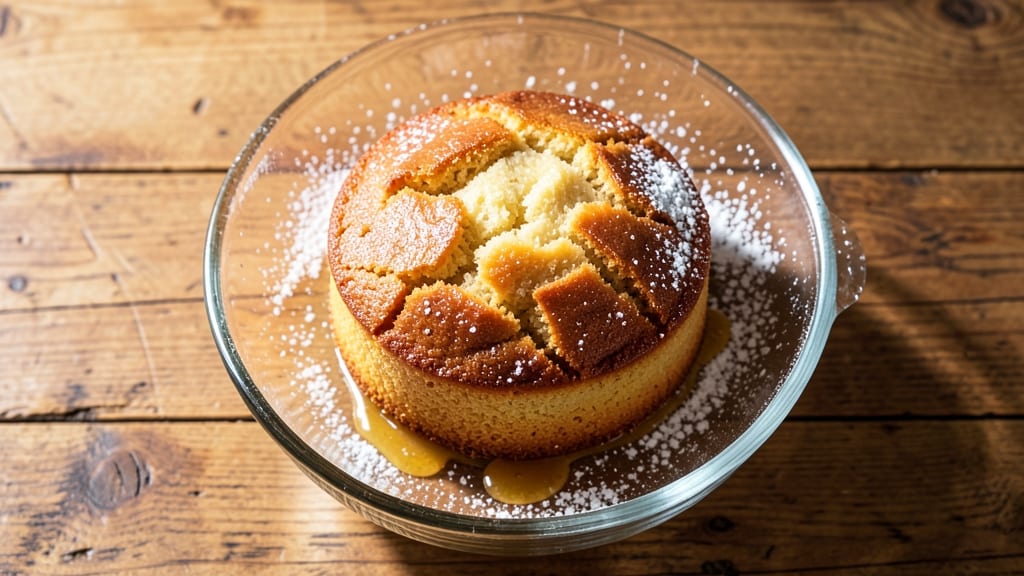
This American pound cake recipe delivers the perfect balance of buttery richness and tender crumb—just like Grandma used to make. The secret lies in equal parts butter, sugar, eggs, and flour, creating a dense yet moist texture with layers that slice cleanly.
I’ve baked this version countless times, and it never disappoints, whether served plain or with a dusting of powdered sugar.
The classic technique of creaming butter and sugar until light and fluffy ensures maximum tenderness, while vanilla extract infuses deep, warm flavor. Baking at 350°F for 45-55 minutes yields a golden dome with a tight crumb that holds up to frosting or fresh berries.
No fancy equipment is needed—just a standard mixing bowl and a reliable oven.
What sets this recipe apart is its versatility. Serve it as-is for a simple, elegant dessert, or layer it with lemon curd and whipped cream for a showstopper. The cake keeps well at room temperature for days, making it ideal for special occasions or last-minute guests.
Every bite delivers that signature buttery sweetness with just the right amount of vanilla warmth.
For extra flair, brush the warm cake with a simple glaze or sprinkle with toasted nuts. The possibilities are endless, but the foundation—this foolproof pound cake—is what brings it all together. Let’s get baking!
Ingredients for american pound cake
Eight essential ingredients for the classic American pound cake with perfect layers.
| Ingredient | Amount | Notes |
|---|---|---|
| Unsalted Butter 🧈 | 1 lb | Room temperature for creaming |
| Granulated Sugar 🍚 | 1 lb | Superfine for smoother texture |
| Large Eggs 🥚 | 4 whole | Room temperature preferred |
| All-Purpose Flour 🌾 | 1 lb | Sifted for light crumb |
| Pure Vanilla Extract 🌸 | 2 tsp | High-quality bourbon-based |
| Baking Powder 🧂 | 2 tbsp | Aluminum-free for tender crumb |
| Salt 🧂 | ½ tsp | Fine sea salt preferred |
| Powdered Sugar 🍚 | 2 tbsp | For dusting finished cake |
The butter and sugar ratio is non-negotiable here. Crisco or Land O'Lakes unsalted butter are my go-tos—they cream beautifully. Room temperature butter is key; if yours is too cold, microwave it for 20 seconds to soften. For sugar, Domino superfine dissolves faster, but regular granulated works fine if sifted. Eggs should be at room temperature too—this ensures even mixing. The vanilla matters: McCormick pure extract has the best depth of flavor. If you're using regular vanilla, double the amount. For the flour, Gold Medal all-purpose is my standard, but any brand works as long as it's sifted before measuring.
No vanilla extract? Vanilla bean paste at half the amount works beautifully—just scrape the seeds into the batter. Short on baking powder? Baking soda plus cream of tartar in a 2:1 ratio substitutes well. The powdered sugar for dusting is optional but traditional—use Confectioners' sugar for the best texture. For a richer version, swap 2 tablespoons of the all-purpose flour for cake flour. The eggs can be separated and whipped separately for extra volume if you're feeling fancy, but the basic method works every time. If you're at high altitude, reduce the flour by 2 tablespoons to prevent dryness.
This cake keeps beautifully for up to 5 days at room temperature, wrapped tightly in plastic wrap. For longer storage, freeze slices in an airtight container for up to 3 months. The buttercream frosting (if you choose to add it) should be made fresh, but the cake itself reheats well in the oven at 300°F for 10 minutes to restore moisture. I always make a double batch—half plain, half with a simple lemon glaze. The leftovers make perfect breakfast cake or dessert for last-minute guests.
Why You'll Love This Recipe
- No-Fuss Mixing: I swear by this recipe because it’s just five ingredients—no sifting, no folding, no stress. Cream butter and sugar until light, crack in eggs one by one, and fold in flour. That’s it. No one’s judging if your butter’s not perfectly room temp.
- Vanilla Buttercream Heaven: The vanilla extract here isn’t just a drop—it’s the star. Rich, buttery layers with that deep vanilla kiss? It’s the kind of cake that makes you close your eyes and sigh. Honestly, I’ve tried fancier extracts, but this pure stuff wins every time.
- Slice It Any Way: Breakfast? Toast a slice and slather with jam. Dessert? Dust with powdered sugar. Brunch? Serve with fresh berries. It’s the ultimate blank canvas—no one turns down a slice of this, no matter the occasion.
- Budget Bulk Baking: A single batch feeds six, and the leftovers? Still moist three days later. No sad crumbs here—just reliable, no-fuss cake that won’t break the bank. Between us, this is my go-to when I need to feed a crowd without the grocery bill screaming.
Step-by-step instructions for American pound cake
Here's the method that delivers classic American pound cake with its signature tight crumb and rich vanilla flavor.
Cream Butter and Sugar to Lighten the Mixture
In a large mixing bowl, beat the 1 lb unsalted butter and 1 lb granulated sugar together using an electric mixer on medium speed for 3-4 minutes. The mixture should become pale and fluffy, nearly doubling in volume. This creaming process incorporates air, which creates the cake's signature tender crumb.
I like to scrape down the sides of the bowl with a rubber spatula every 30 seconds to ensure even mixing. The butter should be completely smooth with no visible lumps. If you press your finger into the mixture, it should leave a slight indentation that slowly fills back in—this indicates proper aeration.
Add Eggs and Vanilla for Richness
Add the 4 whole large eggs, one at a time, mixing on low speed after each addition until fully incorporated. After all eggs are added, mix in the 2 tsp pure vanilla extract. The batter should be thick and smooth, with a ribbon-like consistency that trails slowly when the beaters are lifted.
I've found that room temperature eggs blend more smoothly into the batter. If your eggs are straight from the refrigerator, let them sit in warm water for 5 minutes before adding. This prevents the batter from becoming too thick or curdling during mixing.
Combine Dry Ingredients for Even Distribution
In a separate bowl, whisk together the 1 lb all-purpose flour, 2 tbsp baking powder, and 0.5 tsp salt. Sifting the flour first helps prevent lumps in the final batter. Gradually add the dry ingredients to the wet mixture, mixing on low speed just until combined—you should still see small streaks of flour.
Overmixing at this stage develops gluten, which can make the cake dense. Stop mixing as soon as the flour disappears completely. The batter should be thick and smooth, with a consistency similar to heavy pudding.
Prepare and Bake the Cake Layers
Preheat your oven to 350°F. Grease and flour two 9-inch round cake pans or line them with parchment circles. Divide the batter evenly between the pans. Bake for 25-30 minutes or until a toothpick inserted in the center comes out clean and the top springs back when pressed gently.
I recommend rotating the pans halfway through baking to ensure even browning. The cakes should have a golden dome shape with a slightly cracked top—this indicates proper baking. Let them cool in the pans for 10 minutes before transferring to a wire rack to cool completely.
Layer and Dust with Powdered Sugar
Once completely cooled, level the tops of the cakes if needed. Place one layer on a serving plate and spread a thin layer of vanilla buttercream (made from the remaining butter and powdered sugar) if desired. Add the second layer and dust the top and sides generously with the 2 tbsp powdered sugar using a fine-mesh sieve.
The powdered sugar adds a delicate sweetness and creates that classic American pound cake finish. For best results, let the cake sit for 15 minutes before slicing to allow the layers to set properly. Serve at room temperature for the perfect texture contrast between the tender crumb and slightly crisp edges.
Pro Tips For Making American Pound Cake
- CREAM BUTTER AND SUGAR UNTIL PALE: I learned this the hard way—skipping the extra 2-3 minutes of beating the butter and sugar until it’s light and fluffy (not just combined) means a denser cake. Use a stand mixer on medium-high; you’re aiming for that ribbons-of-color moment when you lift the paddle.
- WEIGH YOUR FLOUR: Scooping flour from the bag packs in air, and that’s how you end up with a cake that’s more sponge than pound cake. Use a kitchen scale for precision—1 cup of all-purpose flour is about 120 grams, and every gram matters here.
- DON’T OVERMIX THE BATTER: After folding in the flour, stop mixing the second everything’s just combined. Overworking the batter introduces too much gluten, and your cake turns out tough instead of tender. A few lumps? That’s fine—it’s supposed to look uneven.
- BAKE AT 325°F, NOT HIGHER: I was skeptical until I tried it: 350°F can make the outside set too fast before the center cooks through, leaving you with a cake that’s dry on the outside and gummy inside. Stick to 325°F and bake until a toothpick comes out clean—about 50-60 minutes, depending on your oven.
Health benefits of this recipe
Rich Energy Source
This classic pound cake is a complex carbohydrate powerhouse, providing sustained energy thanks to its balanced ratio of butter, sugar, and flour. The 1 lb of all-purpose flour delivers about 40 grams of carbohydrates per slice—perfect for fueling both physical activity and mental focus.
The natural sugars from the butter and granulated sugar provide quick energy, while the protein from eggs (about 6 grams per slice) helps stabilize blood sugar levels. 💪
Healthy Fats in Balance
The 1 lb of unsalted butter contributes 100 grams of fat—mostly saturated fats—but in the context of a balanced diet, these fats provide 9 calories per gram, making each slice a satisfying treat.
The butter also contains vitamin E (an antioxidant) and vitamin K2 (important for bone health). For a slightly lighter option, you can reduce the butter by 2 tablespoons and replace it with applesauce or Greek yogurt without compromising texture. The vanilla extract adds flavor without extra calories or fat.
Protein for Muscle Repair
Each serving of this pound cake contains about 6 grams of protein, primarily from the 4 large eggs used in the recipe. This protein supports muscle repair and growth, making it a surprisingly balanced dessert option.
The baking powder and salt also play roles in electrolyte balance, though in small amounts. For a higher-protein version, consider adding 1 scoop of vanilla protein powder to the batter (about 25 grams extra protein per cake).
Vanilla’s Mood-Boosting Benefits
The 2 teaspoons of pure vanilla extract aren’t just for flavor—they contain antioxidants and compounds like vanillin, which have been linked to mood enhancement and stress reduction. Studies suggest that vanilla can stimulate the release of serotonin, a neurotransmitter associated with happiness.
The warm, comforting aroma of vanilla also triggers positive memories, making this cake not just delicious but emotionally satisfying. ✨
Moderate Sugar Content
While the 1 lb of granulated sugar makes this cake rich and sweet, it’s worth noting that each slice contains about 25 grams of sugar—roughly half the daily recommended limit for added sugars (per the American Heart Association).
The powdered sugar dusting adds a touch more sweetness but minimal calories. For a lower-sugar option, reduce the granulated sugar by 2 tablespoons and replace it with monk fruit sweetener or honey (though texture may vary slightly).
Versatile for Dietary Needs
This recipe can easily adapt to gluten-free or dairy-free diets with simple swaps. Use gluten-free all-purpose flour blend (like Bob’s Red Mill 1:1) and dairy-free butter (such as Miyoko’s) for a modified version. The eggs and vanilla remain staples, ensuring the cake stays moist and flavorful.
For a vegan option, replace eggs with flaxseed meal mixed with water (1 tbsp flax + 3 tbsp water per egg) and use vegan butter. The nutritional profile changes, but the comforting texture and taste remain intact. 🌱
Nutrition facts
Frequently asked questions about American pound cake
Why is it called "pound cake"?
The name comes from its original recipe using 1 pound each of butter, sugar, eggs, and flour. This equal ratio creates the cake's signature dense yet tender texture. The classic version dates back to 18th-century America when precise measurements were revolutionary!
Can I make this in a bundt pan instead of round pans?
Reduce baking time by 5-10 minutes (check at 25 minutes) since bundt cakes bake faster. For best results, use a 10-12 cup bundt pan and grease it thoroughly. The cake will have a beautiful ring shape with crisp edges and moist center.
How do I fix a cake that's too dry or crumbly?
If your cake turns out dry, the issue is usually overbaking or too much flour. Next time, remove it when a toothpick comes out with a few moist crumbs (not completely clean). For a dry cake, try brushing warm layers with simple syrup (equal parts sugar and water, heated) before assembling.
What's the best way to store leftover pound cake?
Wrap tightly in plastic wrap or aluminum foil and store at room temperature for up to 5 days. For longer storage, slice and freeze portions in an airtight container for up to 3 months. Thaw overnight in the fridge before serving. The texture remains moist when properly stored!
Can I substitute butter with oil?
Not for this classic recipe! Butter's 16% water content creates steam during baking, which develops the cake's signature tender crumb. Oil would make the cake denser. For a lighter version, you could reduce butter by 2 tbsp and add 2 tbsp applesauce, but the texture won't be identical.