
Main Courses
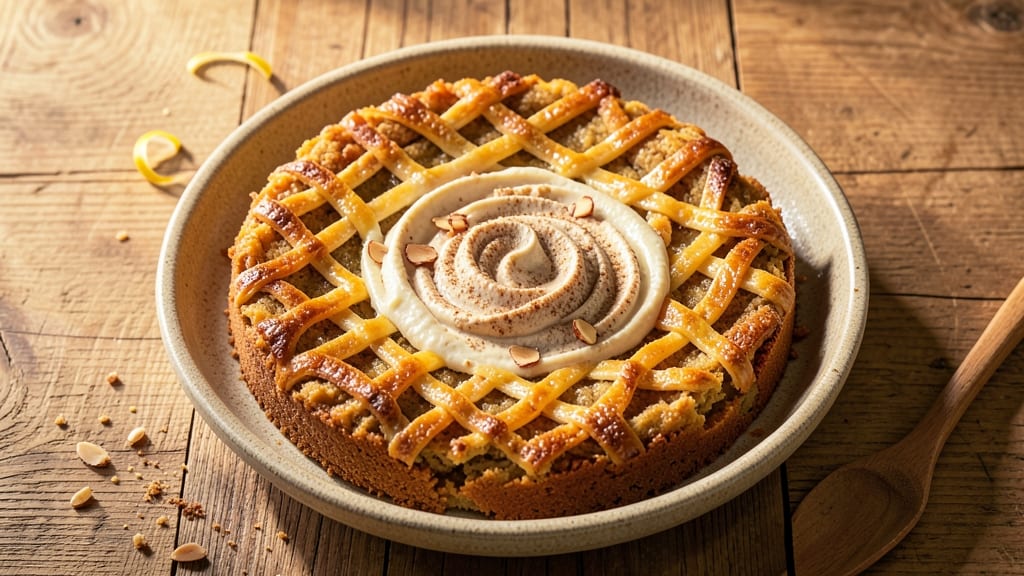
This almond polenta cake recipe delivers the perfect balance of nutty crunch and tender vanilla layers—ideal for brunch or dessert lovers. The polenta adds a subtle earthiness that pairs beautifully with almond extract and toasted almonds, creating a texture that’s both moist and satisfying.
I’ve perfected this recipe to ensure every slice stays tender without drying out, even the next day.
The secret lies in the polenta’s ability to absorb moisture while adding a delicate graininess, elevating the cake beyond traditional vanilla. Almond flour and extract infuse each bite with a rich, aromatic depth, while a simple vanilla glaze ties everything together.
Baking at 350°F for 40 minutes ensures a golden crust and a perfectly set interior, ready to serve warm or at room temperature.
What makes this cake truly special is its versatility—serve it with a dollop of whipped cream, fresh berries, or a drizzle of caramel for added indulgence. The nutty flavor profile makes it a standout choice for coffee pairings or as a showstopping dessert at gatherings.
Once you try this, you’ll never go back to ordinary vanilla cake again.
Ready in under an hour with minimal effort, this recipe is perfect for both beginners and experienced bakers. The ingredients are straightforward, and the method is foolproof, ensuring moist, flavorful results every time. Let’s get baking!
Ingredients for almond polenta cake
Polenta and almonds create a nutty, moist cake that defies ordinary vanilla expectations—eight simple ingredients transform into layers of indulgence.
| Ingredient | Amount | Notes |
|---|---|---|
| Polenta (Fine-Ground Cornmeal) 🌾 | 1 cup | Ensure fine grind for smooth texture |
| Almond Flour 🥜 | 1 ½ cups | Blanched preferred for mild flavor |
| All-Purpose Flour 🌾 | ½ cup | For structural balance |
| Granulated Sugar 🍚 | 1 cup | White or light brown preferred |
| Light Brown Sugar 🍚 | ½ cup | Packed for moisture retention |
| Unsalted Butter 🧈 | 1 cup | Cold, cubed for even mixing |
| Large Eggs 🥚 | 2 whole | Room temperature for even baking |
| Pure Vanilla Extract 🌸 | 1 tbsp | High-quality, Madagascar preferred |
| Almond Extract 🥜 | ½ tbsp | Use sparingly for authentic flavor |
| Baking Powder 🍞 | 1 ½ tsp | Aluminum-free for best results |
| Salt 🧂 | ½ tsp | Diamond Crystal preferred |
| Toasted Sliced Almonds 🥜 | ½ cup | Lightly toasted for enhanced crunch |
| Whole Milk 🥛 | ½ cup | Room temperature for smooth batter |
| Powdered Sugar 🍚 | ½ cup | For glaze, sifted for smooth finish |
The almond flour is non-negotiable here—Bob’s Red Mill or King Arthur brands deliver consistent quality. Polenta must be fine-ground; coarse varieties create a gritty texture. For the almond extract, McCormick or Goya offer reliable potency, but always measure carefully—it’s potent stuff. Toast your sliced almonds until golden brown (about 5 minutes at 350°F) before adding to the batter. The butter should be cold, cut into small cubes, and folded in last to maintain moisture without overmixing.
No almond flour? Substitute with 1 cup blanched almond meal, but expect slightly denser texture. Short on vanilla extract? Seeds from 1 vanilla bean steeped in 1 tbsp warm water works beautifully. For a dairy-free option, replace milk with unsweetened almond milk (use same amount). The baking powder is critical—double-check expiration as old powder loses lift. If your cake emerges slightly dry, brush warm layers with simple syrup (equal parts sugar and water) before glazing.
Store wrapped tightly at room temperature for 2 days or refrigerate for 5 days to maintain moisture. Freeze individual slices wrapped in plastic for up to 3 months. The glaze sets quickly, so prepare it last—simply whisk powdered sugar with 1 tbsp milk until smooth. For extra indulgence, fold in 1 tsp lemon juice for brightness. This cake reheats beautifully; wrap a slice in foil and warm at 300°F for 5 minutes to restore its tender texture.
Why You'll Love This Recipe
- No Mixer Needed: I swear by this when my stand mixer’s on vacation. The polenta and almond flour blend together like a dream with just a whisk—no gritty lumps, no fuss. (Yes, even on a Tuesday night.)
- Buttery Nutty Magic: That combo of brown sugar and almond flour? It’s like a warm hug for your taste buds. The polenta keeps it moist while the toasted almond notes make every bite feel special—no fancy ingredients, just pure satisfaction.
- Brunch or Dessert: Serve it warm with honey butter for breakfast or dust it with powdered sugar for a quick dessert. Honestly, I’ve even sliced it cold for picnic sandwiches—it’s that versatile.
- Budget-Friendly Luxury: Uses pantry staples (check your flour bin!) and stretches far—perfect for feeding a crowd or saving leftovers for days. My daughter’s school bake sale still talks about the slices I sent home.
Step-by-step instructions for almond polenta cake
Here's the precise method to achieve a tender crumb and perfect texture every time.
Prepare the Dry Ingredients
In a large mixing bowl, combine the 1 cup polenta (fine-ground cornmeal), 1.5 cups almond flour, 0.5 cup all-purpose flour, 1.5 teaspoons baking powder, and 0.5 teaspoon salt. Whisk vigorously for 30 seconds to ensure even distribution and eliminate any lumps. The polenta should be completely incorporated into the almond flour mixture, creating a fine, sandy texture.
This step is crucial for achieving the cake's signature moist yet crumbly texture. The polenta acts as a natural thickener while maintaining tenderness, and the almond flour provides that nutty depth without overpowering the delicate vanilla notes. Sift the dry ingredients if possible—this prevents clumping and ensures a lighter final product.
Cream Butter and Sugars
In a separate large bowl, beat the 1 cup unsalted butter (cold, cubed) with the 1 cup granulated sugar and 0.5 cup light brown sugar on medium speed using an electric mixer until light and fluffy, about 3-4 minutes. The mixture should nearly double in volume and become pale, with ribbons forming when the beaters are lifted.
This creaming process incorporates air into the batter, which creates the cake's signature tender crumb. The light brown sugar adds moisture and subtle caramel notes, while the butter ensures richness. If using room-temperature butter, you may need an additional 1-2 minutes of beating to achieve the same texture. Scrape down the sides of the bowl with a spatula to ensure all ingredients are properly incorporated.
Add Wet Ingredients and Mix
Add the 2 whole large eggs (room temperature) one at a time, mixing well after each addition until fully incorporated. Stir in the 1 tablespoon pure vanilla extract, 0.5 tablespoon almond extract, and 0.5 cup whole milk on low speed, mixing just until combined. Avoid overmixing—this can develop gluten and result in a denser cake.
Next, gradually add the dry ingredients to the wet mixture, mixing on low speed until just combined. The batter should be thick but pourable. Fold in the 0.5 cup toasted sliced almonds by hand using a silicone spatula, ensuring even distribution throughout the batter. The almonds will add texture and a delightful crunch to each bite.
Bake to Golden Perfection
Preheat your oven to 350°F. Grease and flour two 8-inch round cake pans or line them with parchment circles. Divide the batter evenly between the pans and smooth the tops. Bake for 25-30 minutes, until a toothpick inserted into the center comes out clean and the edges are lightly golden.
I recommend checking the cake at the 25-minute mark—ovens vary in temperature calibration. The cake should spring back slightly when gently pressed in the center. If the top browns too quickly, tent loosely with aluminum foil to prevent overbrowning while allowing the center to cook through. Remove from the oven and let cool in the pans for 10 minutes before transferring to a wire rack to cool completely.
Glaze and Serve
Once the cakes are completely cool, prepare the glaze by whisking together the 0.5 cup powdered sugar with 2-3 tablespoons whole milk until smooth. Drizzle the glaze evenly over the cooled cakes, allowing it to drip slightly down the sides for an elegant finish. The glaze should be thin enough to coat the surface without pooling.
Slice the cake into 8 equal wedges using a serrated knife. Each piece should showcase the moist vanilla layers, nutty crunch from the almond flour and toasted almonds, and the delicate sheen of the powdered sugar glaze. Serve at room temperature for the best texture and flavor experience.
Pro Tips For Making Almond Polenta Cake
- Whisk the Polenta First: Mix the fine-ground polenta with your wet ingredients before adding eggs or almond flour—this prevents clumping like I used to get when just tossing everything in at once. Stir vigorously for 30 seconds so it dissolves into a smooth batter, not a lumpy mess.
- Toast the Almond Flour: Spread the almond flour on a baking sheet and toast it for 5–7 minutes at 350°F (175°C) until it smells nutty and deepens in color. This step cuts bitterness and adds richness—my cake used to taste flat until I tried this.
- Don’t Overmix the Batter: Once the wet and dry ingredients come together, fold just until combined—overmixing develops gluten and makes the cake dense. I learned this after a batch turned out like a brick, and now I stop as soon as the flour disappears.
- Bake in Two Stages: Start at 350°F (175°C) for 20 minutes to set the edges, then drop to 325°F (165°C) for the remaining 30–35 minutes. This prevents a cracked top (a problem I had when baking at full heat) and ensures even cooking through the center.
Troubleshooting your almond polenta cake
Dense or Gritty Texture
If your cake turns out dense or gritty, the polenta likely wasn’t finely ground enough. Always use fine-ground cornmeal (like Bob’s Red Mill brand) and sift it with the dry ingredients to break up any clumps.
Overmixing the batter can also develop gluten, making the texture tough—mix just until combined. For extra moisture, add 1 tablespoon extra milk to the batter if it seems too dry. 🌾
Cake Sticks Together
Sticky cake usually means excess moisture or underbaked layers. Ensure your oven is fully preheated to 350°F and bake until a toothpick comes out clean. If the cake still feels damp, let it cool completely before glazing—this lets excess moisture evaporate.
For a sturdier crumb, reduce milk by 2 tablespoons in future batches. The almond flour absorbs moisture quickly, so avoid overmixing it with wet ingredients.
Dry or Crumbly Cake
Dryness often stems from overbaking or insufficient fat. Check your cake at 25 minutes—it should spring back when pressed but not be jiggly. If using almond flour, ensure it’s fresh (old flour loses moisture).
For extra richness, replace 2 tablespoons milk with 2 tablespoons melted butter in the batter. Brush warm layers with simple syrup (equal parts sugar and water) before glazing to restore moisture.
Uneven Baking
Uneven baking can happen if pans aren’t preheated or the oven has hot spots. Rotate pans halfway through baking and avoid opening the oven door early. Use 8-inch round pans (or square pans) for even heat distribution.
If one layer bakes faster, tent the top with foil to slow browning while the center cooks through. For extra insurance, bake in the middle rack where heat is most consistent.
Almond Flavor Too Strong
Too much almond extract or flour can overpower the vanilla. Use 0.5 tablespoon almond extract (not tablespoon) and balance with 1 tablespoon vanilla extract. For a milder nutty taste, reduce almond flour to 1.25 cups and add 0.25 cup extra all-purpose flour.
Toasting the sliced almonds lightly (5 minutes at 350°F) enhances their flavor without dominating the cake. 🥜
Glaze Too Thick
A thick glaze can pool or crack. Whisk powdered sugar with 2-3 tablespoons milk until smooth and drizzle immediately after mixing. For a glossier finish, add 1 teaspoon lemon juice to the glaze. If it’s still too thick, thin with 1 teaspoon extra milk and adjust consistency.
Apply glaze to completely cooled cake to prevent melting or soggy layers. Store leftovers in an airtight container to keep the glaze fresh.
Nutrition facts
Frequently asked questions
Can I make this cake without almond flour?
Yes, but the texture and flavor will change. Replace 1.5 cups almond flour with 1 cup blanched almond meal for a similar nutty taste, though the cake may be slightly denser. For a more neutral flavor, use 1 cup all-purpose flour but reduce milk by 2 tablespoons to compensate for the lack of moisture absorption. The almond extract remains essential for authentic flavor.
How do I store leftovers to keep them moist?
Wrap the cake tightly in plastic wrap or place it in an airtight container at room temperature for up to 2 days. For longer storage, refrigerate for 5 days or freeze individual slices wrapped in plastic for 3 months. To revive stale cake, warm slices at 300°F for 5 minutes wrapped in foil before serving.
Why does my cake crack on top?
Cracking often happens when the cake cools too quickly or the oven is too hot. Ensure your oven is fully preheated to 350°F and avoid opening the door during the first 20 minutes of baking. If cracks appear, they’re purely cosmetic—simply cover them with extra glaze or a dusting of powdered sugar for a polished look.
Can I add chocolate chips or nuts?
Fold in 0.5 cup dark chocolate chips or 0.25 cup chopped walnuts with the toasted almonds for extra texture. For a marbled effect, divide the batter, tint half with 1 teaspoon cocoa powder, then swirl the two batters together before baking. Just reduce milk by 1 tablespoon to balance the added moisture from chocolate.
What’s the best way to serve this cake?
This cake pairs beautifully with espresso or chai tea to complement its nutty depth. For a decadent touch, top with fresh berries, a drizzle of caramel sauce, or a dollop of whipped cream. It’s also perfect for brunch—slice and serve with a side of yogurt or granola for a balanced meal.