
Desserts
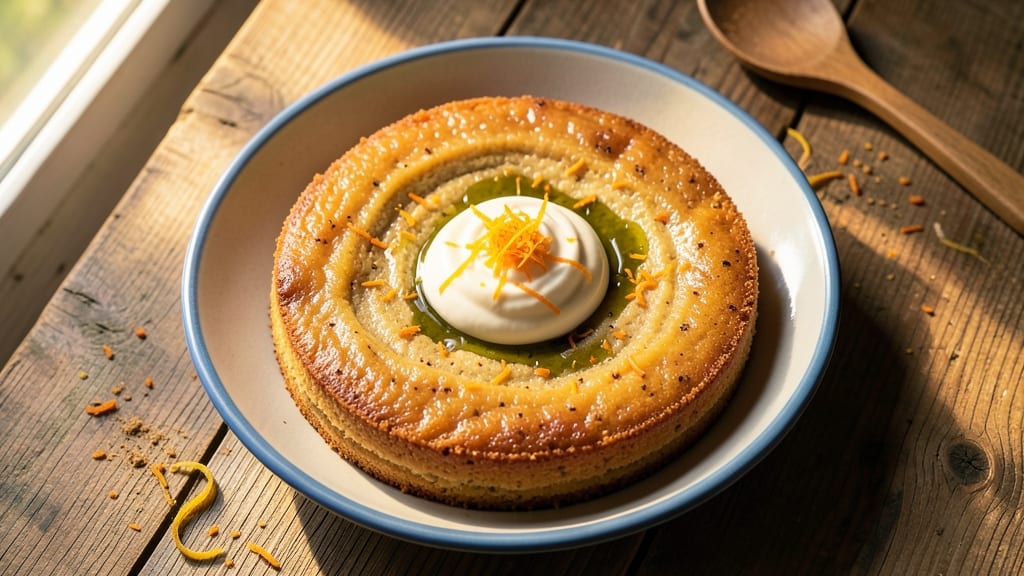
This almond flour yogurt cake delivers the perfect balance of tender crumb and citrus brightness—no heavy butter or refined flour in sight. The secret lies in plant-based yogurt's moisture magic and almond flour's subtle nuttiness, creating a cake that's naturally light yet rich.
I've tested countless variations, and this one consistently surprises with its ultra-moist texture and delicate citrus notes that cut through the richness. What sets this recipe apart is the citrus zest twist, which infuses each layer with a refreshing tang without overpowering the delicate almond flavor.
The plant-based yogurt serves double duty—keeping the cake tender while adding a subtle tang that complements the citrus beautifully. This isn't just another vegan cake; it's a revelation for those who think gluten-free or plant-based desserts can't deliver restaurant-quality results.
By the time you pull it from the oven, you'll have a golden-domed cake with a fine crumb that practically melts in your mouth. The citrus zest creates beautiful flecks throughout, while the yogurt keeps every bite impossibly tender.
It's the kind of dessert that makes you forget it's made without traditional flour or dairy. Serve it warm with a dollop of coconut whipped cream or fresh berries for a showstopping finish. Here's how to make it perfectly every time.
Ingredients for almond flour yogurt cake
Almond flour and plant-based yogurt create this ultra-moist cake with citrus zest magic.
| Ingredient | Amount | Notes |
|---|---|---|
| Almond Flour 🌰 | 2 ½ cups | Fine, blanched preferred |
| Unsweetened Plant-Based Yogurt 🥛 | 1 cup | Coconut or almond yogurt |
| Coconut Sugar 🍯 | ¾ cup | Or maple syrup for liquid sweetener |
| Extra-Virgin Olive Oil 🫒 | ¾ cup | Light, fruity variety |
| Fresh Lemon Zest 🍋 | 1 tbsp | From 1 large lemon |
| Fresh Orange Zest 🍊 | 1 tbsp | From 1 large orange |
| Lemon Juice 🍋 | ¼ cup | Freshly squeezed |
| Vanilla Extract 🌿 | 2 tsp | Pure vanilla preferred |
| Baking Powder 🍞 | 1 tbsp | Aluminum-free preferred |
| Salt 🧂 | ½ tsp | Fine sea salt |
| Baking Soda 🍞 | ½ tsp | Freshly opened |
| Unsweetened Almond Milk 🥛 | ½ cup | For moisture balance |
| Vegan Chocolate Chips 🍫 | ½ cup | Optional add-in |
Almond flour is the star here—Bob's Red Mill or Anthony's Goods are my go-tos for fine, blanched quality. The yogurt? Cocojune or Silk almond yogurt work perfectly, but any unsweetened plant-based yogurt will do. Look for almond flour with a fine grind—it makes all the difference in texture. The citrus zest needs to be fresh (the good stuff, not the bottled kind)—organic lemons and oranges from the grocery store's produce section are ideal. If you can't find fresh zest, a high-quality bottle of citrus zest works in a pinch, but it won't have the same brightness.
No almond flour? Oat flour or cashew flour can substitute at the same ratio, though texture will differ slightly. Swap coconut sugar for maple syrup or agave nectar if you prefer liquid sweeteners—just reduce the almond milk by 2 tbsp to balance moisture. The baking powder and soda are non-negotiable for that perfect rise, but if you're gluten-free, make sure your brands are certified. For extra richness, add 1 tbsp melted coconut oil to the wet ingredients. The chocolate chips? Enjoy Life brand is my go-to for vegan-friendly options, but any dairy-free chips will work.
This cake keeps beautifully for 4 days in the fridge, wrapped tightly in plastic. For longer storage, freeze portions for up to 3 months—just thaw at room temperature before serving. I always make a double batch because it disappears fast. The citrus zest can be prepped ahead and stored in the freezer for up to 1 month in an airtight container. When reheating slices, a quick 10-second zap in the microwave brings back that fresh-from-the-oven warmth.
Why You'll Love This Recipe
- No Mixer Needed: I swear by this—just whisk the almond flour and yogurt until smooth, then fold in the lemon zest. The batter comes together in under 5 minutes, and honestly? No one will guess it’s that simple.
- Bright & Tangy Magic: That lemon zest and coconut sugar combo is where this cake shines. The olive oil keeps it moist without being greasy, while the yogurt gives it a light, almost custardy texture. It’s the kind of flavor that makes you reach for seconds before the plate’s even empty.
- Weeknight Dinner Guest: Between us, this is my go-to when friends drop by unannounced. Serve it warm with a drizzle of honey or a scoop of yogurt on top—it’s fancy enough for company but unfussy enough to make on a Tuesday night.
- Budget-Friendly Stash: Almond flour might seem pricey, but a little goes a long way, and the rest of the ingredients? Pantry staples. I’ve made this for birthdays, brunch, and even packed slices for lunch—no waste, just satisfaction. Plus, leftovers? They disappear faster than you can say “one more piece.”
Step-by-step instructions for almond flour yogurt cake
Here's how to bake a tender, citrus-kissed cake that stays moist for days.
Whisk Wet Ingredients Until Smooth
In a large mixing bowl, combine the 1 cup unsweetened plant-based yogurt, 0.75 cup coconut sugar, 0.75 cup extra-virgin olive oil, 0.25 cup lemon juice, 2 tsp vanilla extract, and 0.5 cup unsweetened almond milk. Use a whisk or electric mixer on medium speed for 2-3 minutes until completely smooth and well-blended.
The coconut sugar should dissolve completely, and the mixture should look like a thick, pale yellow batter. This step ensures even moisture distribution—almond flour cakes can dry out quickly, so thorough mixing is key. Add the 1 tbsp fresh lemon zest and 1 tbsp fresh orange zest now, mixing just until the citrus oils are evenly distributed throughout the wet ingredients.
Combine Dry Ingredients Separately
In a separate medium bowl, sift together the 2.5 cups almond flour, 1 tbsp baking powder, 0.5 tsp salt, and 0.5 tsp baking soda. Use a whisk to break up any lumps and create a fine, aerated texture. This prevents dense pockets in your cake and helps create that signature light crumb.
I like to sift the almond flour twice for extra fineness—this makes a noticeable difference in texture. The baking powder and baking soda work together to give your cake lift, while the salt balances the sweetness. Keep this dry mixture ready for the next step without letting it absorb any moisture from the air.
Gently Fold Wet and Dry Ingredients
With the mixer on low speed, gradually add the dry ingredients to the wet mixture. Mix just until combined—you'll see small streaks of flour disappear, but don't overmix. Overmixing develops gluten in the almond flour, which can make your cake tough instead of tender.
Once combined, fold in the 0.5 cup vegan chocolate chips using a silicone spatula. Be gentle to avoid deflating the batter. The chocolate chips will add pockets of rich flavor throughout each slice. If you prefer a marbled effect, reserve a few chips to sprinkle on top before baking.
Bake Until Golden and Springy
Preheat your oven to 350°F and grease an 8-inch round cake pan or line it with parchment paper. Pour the batter into the prepared pan and smooth the top with a spatula. Bake for 35-40 minutes, until the top is golden brown and a toothpick inserted in the center comes out clean.
Here's the thing about almond flour cakes—they rise differently than wheat flour cakes. Instead of looking domed, they'll be slightly flat but dense. The edges should pull away from the pan easily, and the cake should spring back gently when pressed in the center. If the top browns too quickly, tent loosely with foil after 20 minutes to prevent over-browning.
Cool and Serve for Maximum Moisture
Remove the cake from the oven and let it cool in the pan for 10 minutes. Then transfer it to a wire rack to cool completely. This gradual cooling prevents cracking and helps the cake set properly. I know it's tempting to slice into warm cake, but waiting ensures the best texture.
For the most moist slices, let the cake cool completely before serving. The citrus zest and olive oil keep it tender for days when stored in an airtight container at room temperature. Each slice should be lightly golden, with a fine crumb and bursts of citrus flavor in every bite—no dry, crumbly texture here.
Pro Tips For Making Almond Flour Yogurt Cake
- Whisk the Yogurt: DESCRIPTION:
- Measure Almond Flour Right: DESCRIPTION:
- Bake Until Golden, Not Dry: DESCRIPTION:
- Zest First, Then Wait: DESCRIPTION:
Troubleshooting this dish
Dense or Gummy Texture
If your cake turns out dense or gummy, overmixing is usually the culprit. Almond flour develops gluten when overworked, creating a tough crumb. Mix the wet and dry ingredients just until combined—stop when small streaks of flour disappear.
Also, ensure your almond flour is fine and blanched (like Bob's Red Mill), as coarse flour can lead to a gritty texture. 🌰
Cake Didn’t Rise
Uneven baking or expired leavening agents can cause a flat cake. Double-check that your baking powder and baking soda are fresh (test by mixing with water—if it fizzes, they’re good).
Preheat your oven for at least 15 minutes to ensure consistent 350°F heat. If your cake still doesn’t rise, try adding ½ tsp extra baking powder next time.
Dry or Crumbly Result
Almond flour cakes can dry out if the batter isn’t mixed thoroughly or if the oven runs too hot. Whisk the wet ingredients for 2-3 minutes to fully emulsify the olive oil and yogurt.
If your cake dries out, increase the almond milk by 2 tbsp or replace ¼ cup of almond flour with oat flour for extra moisture. Store baked cake in an airtight container to retain freshness.
Bitter Aftertaste
Overusing citrus zest or old olive oil can introduce bitterness. Stick to 1 tbsp lemon zest and 1 tbsp orange zest—no more! Use a light, fruity extra-virgin olive oil (like California Avocado Ranch) and store it in a cool, dark place.
If bitterness persists, reduce the zest by half or swap ½ cup of almond flour for cashew flour, which has a milder flavor.
Cracked Top or Sides
Rapid temperature changes or uneven cooling cause cracks. Let the cake cool in the pan for 10 minutes before transferring to a wire rack. Avoid opening the oven door frequently during baking, and don’t overfill the pan—batter should reach ⅔ full.
If cracks appear, brush the top with a simple glaze (1 tbsp powdered sugar + 1 tsp almond milk) to disguise them.
Soggy Bottom
A soggy bottom usually means the pan wasn’t properly greased or the cake was overbaked. Line your 8-inch round pan with parchment paper for easy release, and grease it thoroughly with olive oil.
Bake for 35-40 minutes—no longer! If the bottom is still damp, place the cake on a rack over a baking sheet for 5 minutes to crisp the base slightly before cooling completely.
Nutrition facts
Frequently asked questions
Can I use regular yogurt instead of plant-based yogurt?
While you can technically use dairy yogurt, the cake will have a slightly different texture and flavor profile. Plant-based yogurt keeps the cake naturally light and moist without adding dairy richness. If you must use dairy yogurt, reduce the almond milk by 2 tablespoons to balance the extra moisture.
Why does my almond flour cake turn out dry?
Almond flour absorbs moisture differently than wheat flour, so thorough mixing is key. Whisk the wet ingredients for 2-3 minutes to fully emulsify the olive oil and yogurt. If your cake still dries out, try replacing ¼ cup of almond flour with oat flour or increasing the almond milk by 2 tablespoons.
Can I make this cake gluten-free?
This recipe is already gluten-free since it uses almond flour! Just ensure your baking powder and chocolate chips are certified gluten-free. For extra insurance, check that your citrus zest and vanilla extract are also gluten-free processed in a dedicated facility.
How can I make this cake nut-free?
Swap the almond flour for a 1:1 nut-free flour blend (like oat flour or sunflower seed flour). Replace the almond milk with coconut milk and use sunflower seed butter instead of olive oil for binding. The texture will differ slightly but still be delicious!
What's the best way to store leftovers?
Wrap slices tightly in plastic wrap or store in an airtight container at room temperature for 3 days. For longer storage, freeze portions for up to 3 months. Thaw at room temperature—no microwave needed! The citrus zest helps preserve freshness longer than traditional cakes.